Paetongtarn Shinawatra's Apology: Revisiting the Tak Bai Tragedy 20 Years Later
In a world where echoes of the past reverberate into today, an incident that shook Thailand two decades ago continues to haunt the nation's conscience. Imagine, if you will, a demonstrator clutching a banner with fervor…
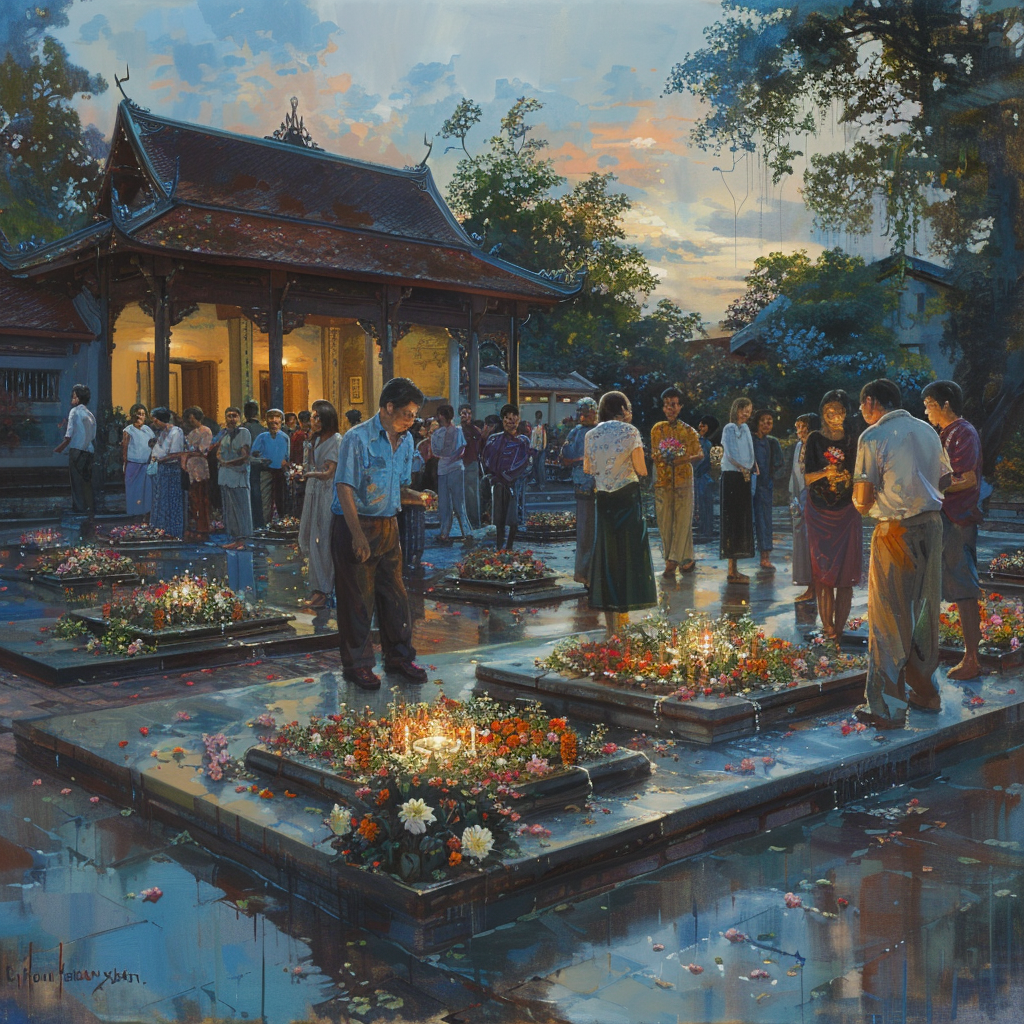
In a world where echoes of the past reverberate into today, an incident that shook Thailand two decades ago continues to haunt the nation's conscience. Imagine, if you will, a demonstrator clutching a banner with fervor during a rally organized by the Muslim Student Associations of Thailand. This gathering took place in front of the United Nations building on the historic Ratchadamnoen Road in bustling Bangkok, on an otherwise unassuming October 18. What was the purpose? To cast a glaring spotlight on the infamous Tak Bai case.
Fast forward to the present—I can almost hear the clock ticking as Prime Minister Paetongtarn Shinawatra steps into the glaring limelight on a Thursday, issuing an apology that many would argue is two decades overdue. It was a sincere expression of remorse for the ghastly fate suffered by 78 protesters, lives lost as they were cruelly crammed into army trucks like spoils of war. This heart-wrenching event, part of a larger security crackdown in Narathiwat's Tak Bai district back in 2004, led to the tragic demise of 85 souls—one of the pivotal episodes in the separatist insurgency at that time. It’s a tragedy seen as a dark mark in Thailand’s tapestry of history, an insurgency still echoing angrily today, claiming over 7,600 lives since.
Standing before the nation, Ms. Paetongtarn expressed, “I am deeply saddened for what happened and apologize on behalf of the government.” Her promise was clear—no future incident should mirror this terrible past. Yup, irony plays a cruel game here, as Ms. Paetongtarn's father, Thaksin Shinawatra, occupied the prime minister's seat when the tragedy unfolded. Yet intriguingly, his own apology two years prior came with an asterisk—not accepting responsibility for the catastrophe.
Those chillingly captured scenes of bodies piled high, suffocating within trucks on a harrowingly long five-hour journey, couldn't help but seize international attention, sparking condemnation from nearly every corner of the globe. The victims, those who shuffled helplessly from this world to the next, were among hundreds rounded up following a protest at Tak Bai police station. A sea of 1,200 people gathered in solidarity, demanding the release of six detained colleagues. Police gunfire prematurely ended the peaceful demand that day, claiming lives right there on the dusty grounds.
Despite relentless efforts, justice remains elusive. Countless attempts, including two noble pursuits in recent months, failed to pin a conviction on the officers involved. As of now, only the haunting deadline of the statute of limitations remains, poised to strike at midnight this coming Friday, leaving many to question its conclusion.
On a hopeful August breeze, a court in Narathiwat entertained a family-filed criminal lawsuit targeting seven senior officials. Among them, a retired general and a prominent Pheu Thai MP, whose names invoked both power and intrigue. But alas, not one of them appeared in court, as if justice itself had been kept at bay. In a twist worthy of any thriller, the attorney-general filed another case against eight additional personnel just last month—yet progress is minimal.
Echoing a chorus too familiar, Ms. Paetongtarn urged that the incident be kept clear of political machinations, stating quite plainly that extending the 20-year statute would violate constitutional rules as advised by the Council of State, the government’s legal advisory body.
Meanwhile, Thai police made gallant efforts in tracking down all 14 elusive suspects with Interpol red notices serving as their international wanted posters. And although the just-turned-faint flicker of the case dims, voices like Ratsada Manooratsada's, a determined lawyer for the victims' families, refuse to be silenced: "History and memories do not expire," she fervently tells us. Her message is clear—the families of the victims will never forget the injustice inflicted upon them.
One high-profile figure links the sordid tale—Gen. Pisal Wattanawongkiri, the commanding force overseeing the southern provinces amid the chaos of 2004. A longtime confidant of Thaksin Shinawatra, this seasoned general recently donned the hat of a Pheu Thai list MP, waving the flag of parliamentary immunity like a shield. Reports tell us he retreated abroad for medical aid, yet anticipate his grand theatrical return to Thailand on October 30. He made headlines, not in triumph, but through a letter of resignation from the Pheu Thai Party, ceasing his role as an MP in dramatic fashion.
So, as history revisits this harrowing Tak Bai incident via the legal avenues involving seven authorities tied to issuing fatal orders, securing justice seems a mirage. The second case, weaving through the role of army truck drivers and the then Maj Gen. Chaloemchai Wirunpetch of the 5th Infantry Division, remains an enigma awaiting unraveling. That’s quite a tale, isn't it? Stay tuned, and keep an eye on the pages of history as we hold out hope for peace in Thailand’s restless south.



Comment verification
Step 1 of 3
Verify your email once to publish your comment. Your email is never shown publicly.
Enter the 6-digit code sent to .
Choose the display name shown next to your comments.