Phumtham Wechayachai and Kannavee Suebsaeng Clash Over Uyghur Deportation Controversy in Thailand 2025
In a political arena often simmering with tension, the latest clash between Deputy Prime Minister Phumtham Wechayachai and opposition MP Kannavee Suebsaeng has certainly added fuel to the fire. The bone of contention?…
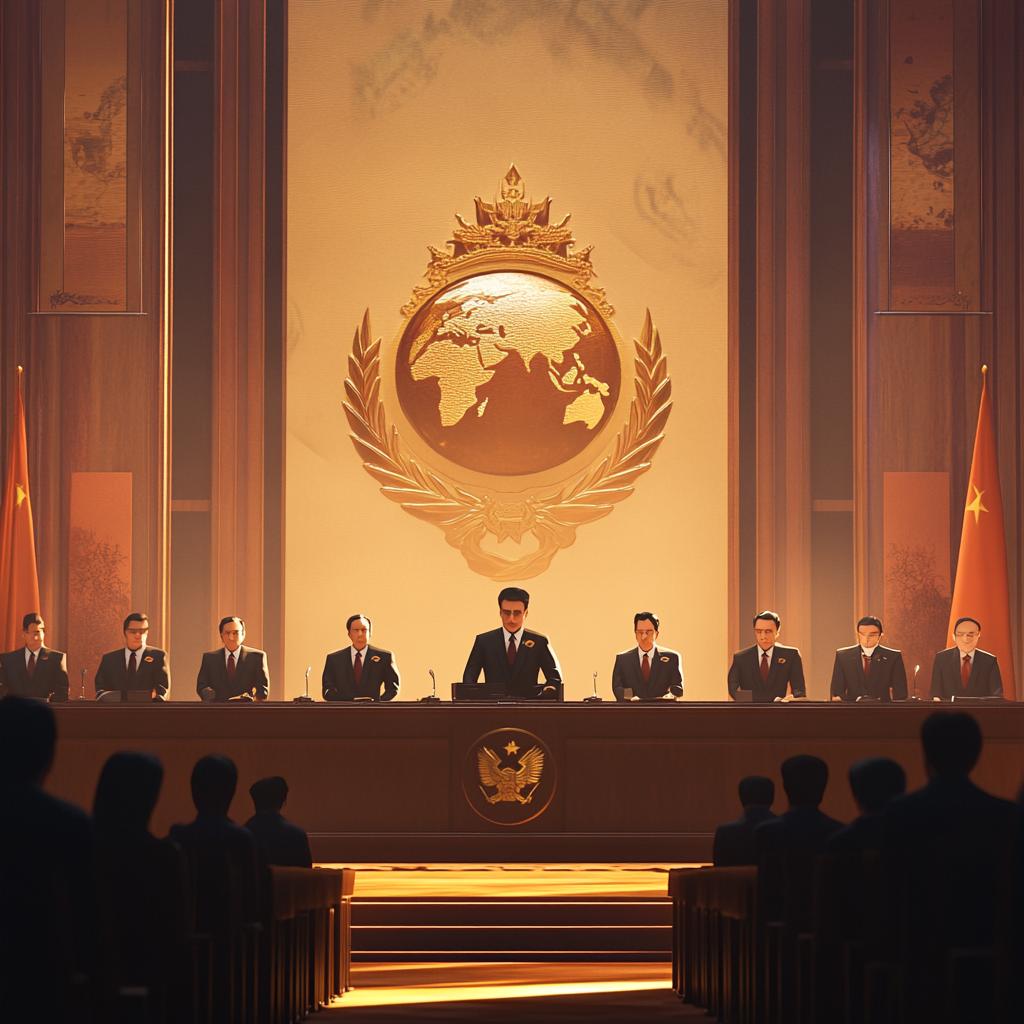
In a political arena often simmering with tension, the latest clash between Deputy Prime Minister Phumtham Wechayachai and opposition MP Kannavee Suebsaeng has certainly added fuel to the fire. The bone of contention? The controversial deportation of 40 Uyghur detainees back to China, a decision that has courted international criticism and put Thailand's diplomatic strategy under the microscope.
It all came to a head during a heated parliamentary debate. Mr. Kannavee from the FAIR Party didn't pull any punches, accusing the government of not just taking sides on a global scale but of orchestrating a diplomatic 'drama' following Mr. Phumtham's recent jaunt to China's Xinjiang region.
“The deportation of the Uyghurs was slammed internationally. It is bad enough when you lie in Thailand. It is even worse when you lie on the international stage,” Mr. Kannavee fervently argued. He painted a picture of a government lacking a clear foreign policy direction amidst the whirlpool of 21st-century international politics.
Never one to back down, Deputy Prime Minister Phumtham, who also dons the cap of defence minister, dismissed the accusations as pure fantasy concocted by an MP who has never worn the shoes of national leadership. “You accused the government of staging the drama, so I would like to borrow your words that you're a big liar,” he retorted. “Please don’t say my words meant nothing.”
In defence of the contentious deportation decision, Mr. Phumtham explained that Thailand faced a trilemma: continue detaining the Uyghurs for illegal entry, dispatch them to a third country unwillingly, or send them back to Xinjiang. After 11 years of detention, the latter was chosen due to an international reluctance to offer refugee status.
Not stopping there, Mr. Phumtham expressed his willingness to present evidence to the media, asserting that the Uyghurs involved were bona fide Chinese citizens. As for the alleged 'staging' of his Xinjiang visit, he countered that the proof would be in the pudding once Thailand’s foreign affairs minister followed in his footsteps, traveling to the region in the coming months for a firsthand assessment.
On the sidelines, Thailand’s Foreign Affairs Minister Maris Sangiampongsa aimed to pour oil on troubled waters by emphasizing the nation’s pursuit of a strategic equilibrium in global diplomacy. “Thailand's decision to solve its issues might not satisfy everyone in the current geopolitical climate, but it has to be in Thailand’s interest,” he remarked, gesturing to the ultimate priority of national stakes over external approval.
This political spar has not only spotlighted the ongoing Uyghur impasse but has also underscored the larger question of Thailand’s role on the global stage. Will the diplomatic disharmony ring alarms beyond borderlines, or is it merely another episode in the cautious tango of international relations? The world is watching, and in the realm of politics, nothing remains plastered behind closed doors for long.



Comment verification
Step 1 of 3
Verify your email once to publish your comment. Your email is never shown publicly.
Enter the 6-digit code sent to .
Choose the display name shown next to your comments.