Phumtham Wechayachai's Diplomatic Visit to Xinjiang: Evaluating Uyghur Deportation Concerns
In a poignant moment captured and shared by the Chinese Embassy in Bangkok, an image emerged showing a Uyghur man joyfully reunited with his family in the bustling city of Kashgar, Xinjiang, on February 27th. His…
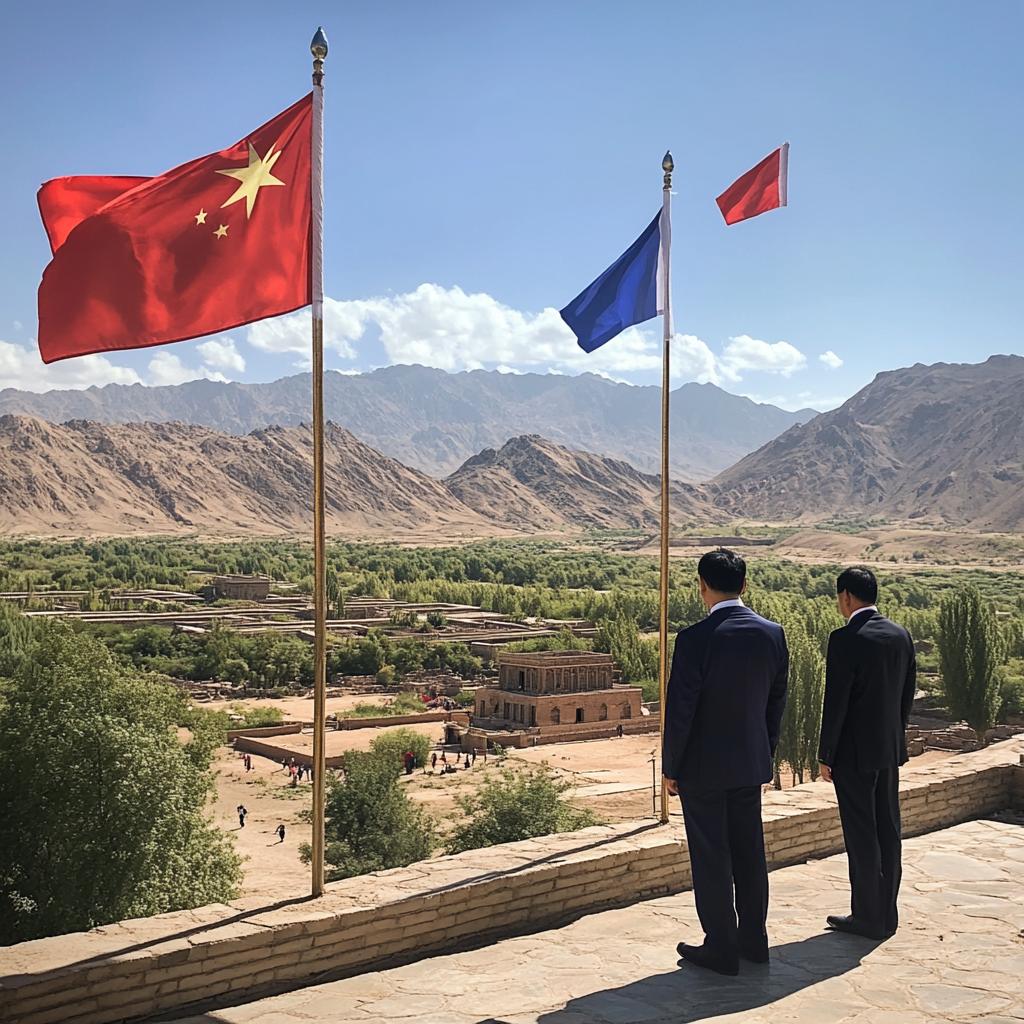
In a poignant moment captured and shared by the Chinese Embassy in Bangkok, an image emerged showing a Uyghur man joyfully reunited with his family in the bustling city of Kashgar, Xinjiang, on February 27th. His journey from long-term detention in a foreign land to the warmth of familial embrace marked a new chapter in a story fraught with international tension and diplomatic intricacies.
This poignant reunion set the stage for an upcoming diplomatic visit scheduled for March 18th, when Thailand’s Deputy Prime Minister, Phumtham Wechayachai, accompanied by Justice Minister Tawee Sodsong, is set to tour Xinjiang. Their mission? To assess the well-being of 40 Uyghur men who had been recently deported to China following their protracted confinement in Thailand, spanning over a decade.
Mr. Phumtham stood firm on the Thai government's stance regarding the controversial deportation, emphasizing that the action adhered strictly to international law. Nonetheless, this move on February 27th attracted significant global scrutiny and criticism. The underlying contention stems from reports by Reuters indicating that multiple nations expressed willingness over the past decade to offer asylum to the detainees. Countries including Canada, the United States, and Australia were reportedly among those who reached out to Thailand with offers to accommodate the Uyghurs, offers which were apparently left unanswered due to concerns over straining diplomatic relations with China.
Reflecting on the situation, Mr. Phumtham, who also doubles as the defense minister, remarked on Thailand’s patient acceptance of the Uyghur group for 11 long years, a tenure largely devoid of major incidents. During the initial phase of detainment, Thailand had actively sought the involvement of the United Nations High Commissioner for Refugees (UNHCR), requesting that the organisation consider refugee status for the group.
The saga of the Uyghur group originated with about 350 individuals crossing into Thailand illegally. In July 2015, around 170 of these individuals found refuge in Turkey, a nation that opened its doors to women, children, and the elderly. However, that moment of humanitarian respite was limited; shortly thereafter, 109 individuals, primarily adult males, were sent back to China. Their fates are veiled in uncertainty. Meanwhile, the remaining individuals lingered in Thai immigration detention facilities.
In defending Thailand’s actions, Mr. Phumtham revealed discussions with influential nations, stating that Thailand faced a binary dilemma: either repatriate the detainees to China or find a third country willing to accept them. Despite overt sympathy towards the Uyghurs, no official offers reached fruition, leaving Thailand in a diplomatic quagmire.
He explained that the identification of these individuals by China as its bona fide citizens — complete with verified addresses — imposed a legal burden on Thailand to facilitate their return. The UNHCR, he noted, never formally recognised the Uyghurs as refugees, which left them classified under the less protective label of illegal immigrants.
Addressing international concerns, Mr. Phumtham assured that repatriation decisions were never made when there was a substantial risk of torture or mistreatment. Chinese authorities, he emphasized, furnished written commitments to uphold human rights standards concerning the Uyghurs.
Thus, in collaboration with Pol Col Tawee and Foreign Affairs Minister Maris Sangiampongsa, Mr. Phumtham proceeded with the decision to repatriate the 40 Uyghur men last week, taking a step clouded with complexity amidst the delicate dance of international diplomacy.



Comment verification
Step 1 of 3
Verify your email once to publish your comment. Your email is never shown publicly.
Enter the 6-digit code sent to .
Choose the display name shown next to your comments.