Thailand SAO flags 6.2bn-baht prison food deals
Thailand's State Audit Office found irregularities in more than 6.2 billion baht of inmate food procurement, flagging eight prisons that kept the same distant cooperative and sending the file to the NACC.
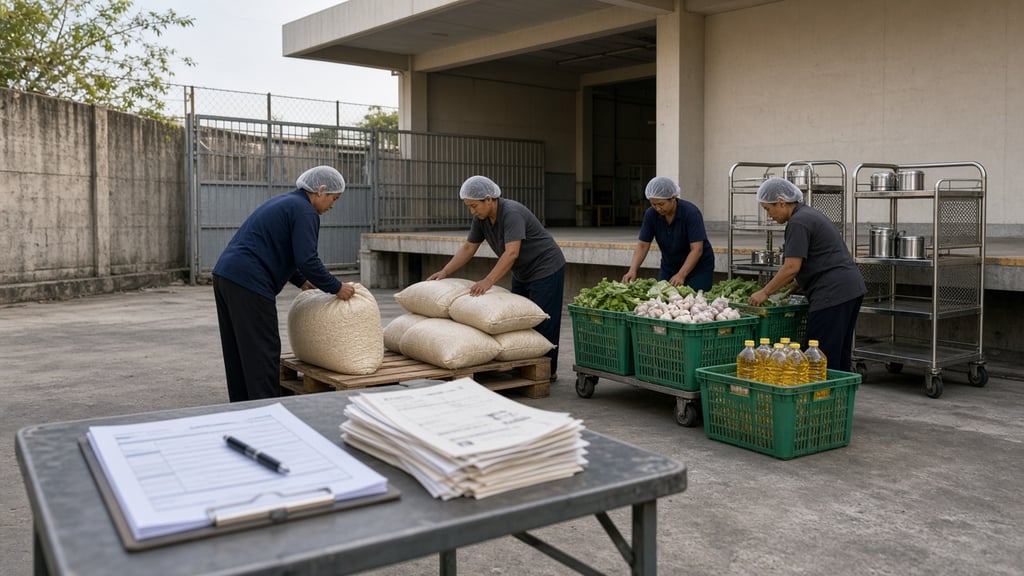
Thailand's State Audit Office told the Department of Corrections that more than 6.2 billion baht spent on inmate rice, raw food, and prison shop goods in fiscal 2025 failed a fair-competition test at the prisons it sampled. Auditors flagged eight facilities for signing again with the same agricultural cooperative used the year before, said that supplier sat too far from those prisons to meet preferential-procurement rules, and sent the file to the National Anti-Corruption Commission.
The briefing was delivered by Somthat Nitithreerat, director of the office's first legal-compliance audit bureau. The eight prisons were not named, and the Department of Corrections had not issued a public reply by 28 November 2026.
Complaints from 49 sites, a sample of ten
The review followed complaints covering 49 correctional facilities. Auditors then sampled ten sites: eight that bought from agricultural cooperatives and two that bought from the Marketing Organization, a state supplier that often sits on the same preferential track as farmer groups.
The legal test was whether those purchases followed the 2020 ministerial regulation on goods the state wants to promote or support, together with Department of Corrections memos dated 17 and 23 July 2024 on inmate consumer-goods buying. That Finance Ministry rulebook steers public contracts toward farmer institutions and community groups instead of an open commercial tender for every sack of rice.
The first finding was about who got invited. Department guidance told prisons to notify at least three community organizations or farmer institutions before awarding a contract. The sample showed invitations did not reach all five agencies the auditors expected to see. SAO did not call that gap a legal breach. It said the criteria were too vague and asked the Comptroller General's Department to tighten the regulation so the invitation net is the same in every province.
The same cooperative, too far from the gates
The sharper finding was incumbency. At least eight prisons bought rice, raw food, and inmate supplies from the same agricultural cooperative they had used in fiscal 2024. Location records at the Cooperative Promotion Department showed that cooperative was far from the prisons it supplied. Distance matters under the ministerial regulation: farmer-institution contracts are supposed to stay close to the community the rule is meant to support.
The 2020 regulation lets agencies prefer cooperatives. It does not require last year's contractor to be invited back. SAO said the July 2024 memos may have opened a path for that incumbent cooperative to keep the work. Combined contracts at the eight sampled prisons exceeded 660 million baht. Nationwide, cooperatives collected more than 1.7 billion baht, about 27 percent of the 6.2 billion baht pot, with the Marketing Organization supplying two of the ten sampled sites.
Discipline inside Justice, a file at the NACC
After closing the review, SAO sent the results to the Department of Corrections and to the permanent secretary of the Ministry of Justice so they can open disciplinary files on officers involved. It also referred the matter to the National Anti-Corruption Commission, the constitutional anti-graft body that investigates alleged corruption by senior officials.
A referral is not a conviction. It starts a separate inquiry that can run for years, and it does not freeze next year's food contracts. Naming the eight sites and publishing each cooperative's address against the prison it supplied would show whether the eligibility breach was local or systemic.
What This Means for Expats and Travelers in Thailand
Foreigners held in Thai prisons eat from this supply chain unless family money buys canteen food. English-language forums have for years described official meals as thin rice with a weak curry. Thai forums have alleged kitchen receipts that do not match what arrives on the loading dock. This audit does not prove food was stolen from a tray. It says the buying rules at eight sites favored one distant cooperative, which is a different failure with the same result for anyone who cannot pay extra: the official meal is whatever that contract delivers.
Travelers should read this as a justice-system story, not a beach warning. If a visitor is detained, meals run on a prison timetable, outside groceries are tightly controlled, and a welfare-shop balance often decides whether someone eats only the official tray. Families who visit should expect to buy approved items inside the prison, not to walk in with a supermarket bag. Consular staff can explain visiting hours and what cash can be deposited. They cannot rewrite a procurement memo.
The follow-up that matters is whether the Comptroller General clarifies the invitation rules, whether Justice discipline lands, and whether the NACC publishes more than a received stamp.


Comment verification
Step 1 of 3
Verify your email once to publish your comment. Your email is never shown publicly.
Enter the 6-digit code sent to .
Choose the display name shown next to your comments.