Phnom Penh Pushes Back: Cambodian Official Calls Thai Media Reports “Off the Mark”
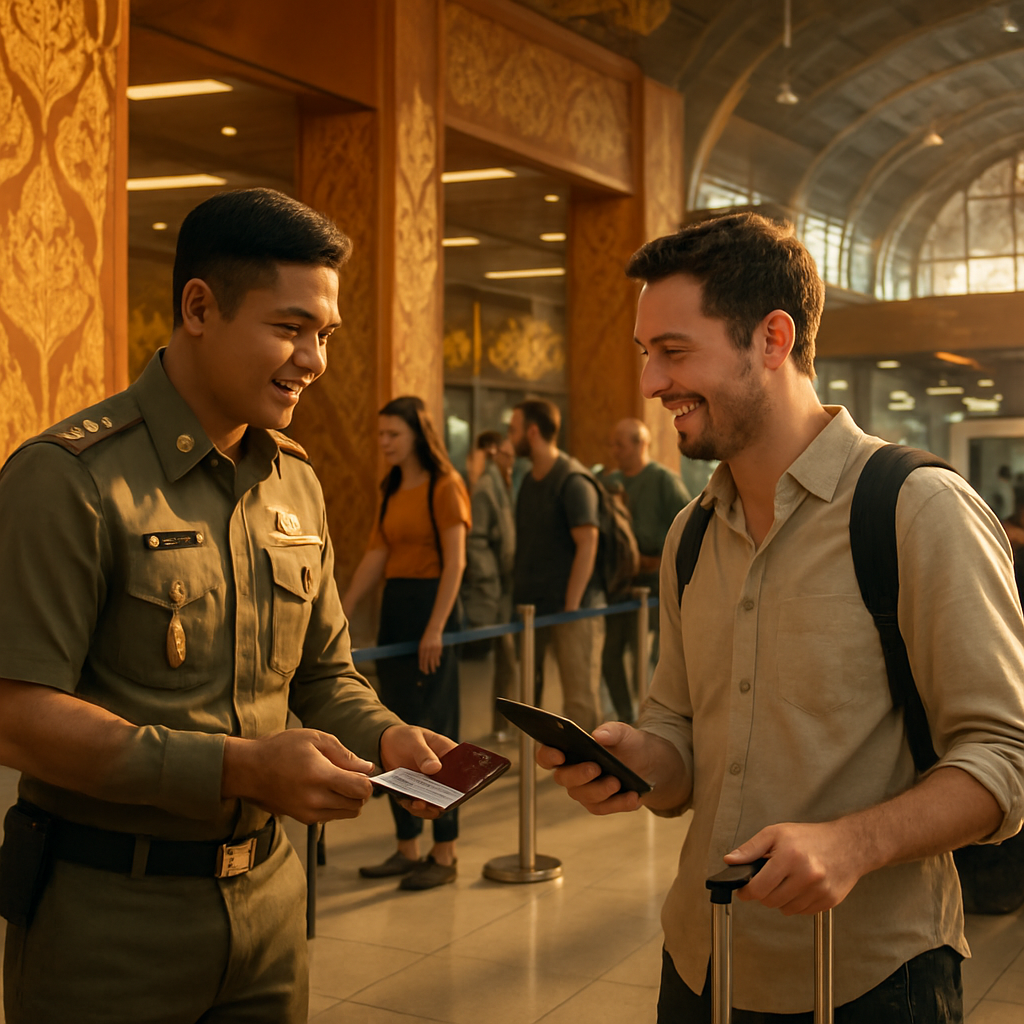
When a flurry of social-media-ready headlines suggested Thai travellers were being grilled at Phnom Penh’s Techo International Airport, Cambodia’s civil aviation office decided it was time to step in and clear the air. On January 7, Sin Chanserivutha, spokesperson for Cambodia’s State Secretariat of Civil Aviation, called the Thai media reports inaccurate and unreflective of the country’s famed hospitality.
“Let’s be clear,” Sin said, in effect: casual travellers with verified travel histories should expect a normal, courteous exit from Cambodia — not an interrogation. The tougher checks, he explained, are reserved for a very specific profile of arrival: passengers entering Cambodia who lack prior travel records. Those travellers may undergo routine security steps, including basic questioning and the requirement to have a local sponsor — standard measures designed to keep borders orderly, not to make tourists feel unwelcome.
What triggered the headlines?
The controversy spiralled after the Cambodian embassy in France relayed complaints from European tourists who’d transited through Thailand en route to Cambodia. According to the embassy, some travellers reported lengthy questioning at Thai airports, heavy-handed requests for proof of funds and hotel reservations, and even a handful of claims describing intimidation. One particularly upsetting allegation involved luggage reportedly missing on arrival in Phnom Penh — a traveller’s worst post-flight nightmare.
As these accounts circulated, Cambodia’s Ministry of Foreign Affairs and International Cooperation told citizens and foreign nationals to avoid transiting through Thailand where possible, and temporarily advised suspending travel with Thai carriers. That advisory amplified diplomatic tension and prompted a flurry of headlines that, according to Sin, painted an incomplete picture.
How Cambodia is responding
The government’s message has two parts: first, the measures in question target only certain passengers — primarily arrivals without travel history — and do not apply broadly to non-Thai foreign nationals travelling through Thailand. Second, Cambodia continues to position itself as a warm, safe destination intent on treating visitors with respect.
Sin made a point of reaffirming Cambodia’s hospitality credentials, framing the added checks as “standard security procedures” rather than punitive actions. In other words: if you’ve got a normal travel record and your paperwork in order, you’re unlikely to be singled out for extra scrutiny when leaving Cambodia.
Why Thailand tightened its screening
Meanwhile, across the border, Thailand’s Immigration Bureau implemented stricter airport screening in December. The rationale was security-driven: following border clashes in recent months, authorities raised concerns that foreign fighters or mercenaries might exploit visa-free or lenient entry rules to slip in undetected. Academics and commentators on social media amplified the warning, arguing that tighter screening could be necessary to protect national security.
That move — though motivated by security concerns — has ripple effects. When one country tightens checks, passengers can find themselves caught in a web of new procedures, questions and delays that travel advisories and embassies quickly pick up on.
What travellers should know
- If you’re leaving Cambodia with a verified travel history, officials say you shouldn’t expect additional questioning beyond routine checks.
- Passengers entering Cambodia without travel records may be asked for basic details and a local sponsor — a measure meant to confirm plans and accountability.
- If you’re transiting through Thailand, it’s wise to be prepared for stricter screening at Thai airports: have proof of funds, hotel bookings and a clear itinerary readily available.
- If you encounter issues like lost luggage or what feels like intimidation, report them to your airline and the nearest embassy or consulate promptly.
At its core, this episode is a reminder that regional travel rules can shift quickly when security concerns flare. It’s also a timely nudge for travellers to double-check documentation, keep digital copies of bookings and contact details handy, and allow extra time at airports.
For Cambodia, the incident is as much about reputation as it is about security. Tourism remains a vital engine of the economy, and the government is clearly keen to reassure visitors that the kingdom remains both safe and hospitable — even when the occasional security check might be necessary.
So next time you’re planning a Southeast Asian hop, pack patience along with your passport. A smooth trip often comes down to preparation — and a little diplomatic calm can go a long way toward turning a travel headache into a story you’ll laugh about later.
















This reads like two stories mashed together: Thailand’s tighter security and Cambodia scrambling to protect tourism. The Thai measures sound heavy-handed to me, but I get national security concerns after the border clashes. Still, telling tourists to avoid a neighbouring carrier feels like political theater more than travel advice.
Political theater is right, but tourists bear the inconvenience while diplomats spar. I flew through Bangkok last month and only had the usual questions, so maybe it depends on who you look like.
As someone from Phnom Penh, I appreciate Sin’s reassurance, but the embassy advisory from Cambodia looked panicked. Advising citizens to avoid Thai transit is a blunt instrument and hurts ordinary people more than it helps.
Exactly, Sopheap — the panic tone makes it worse. If Cambodia wanted calm, saying ‘check documents’ would have sufficed.
Security measures and diplomatic signaling often mingle. From an academic standpoint, this is risk management meeting public perception; both governments are balancing deterrence and tourism revenues.
Thailand’s tightened screening seems rational after border clashes, but transparency about criteria matters. Vague ‘security concerns’ let officers apply measures unevenly and fuel rumours. Clear, proportional rules would calm travellers and reduce diplomatic friction.
Proportionality is the key word and it’s often missing in emergency measures. Airports become sites of administrative discretion with big consequences for ordinary people.
But aren’t airports supposed to be flexible in crises? If there is intel suggesting risks, why blame the procedure?
Flexibility is fine, Alex, but it must be accountable. Without audit trails and consistent communication, you’re inviting bias and misinformation.
I work in hospitality here and can tell you tourism is fragile. A few sensational headlines abroad and suddenly bookings drop. Sin’s statement matters because reputation affects livelihoods.
Totally — I’ve recommended Cambodia to friends for years and would hate to see that eroded over headline noise. But honesty about security steps helps set expectations.
Calling it ‘headline noise’ ignores actual reports from travellers who faced intimidation at Thai airports. You can’t dismiss those people just because Cambodia said everything’s fine.
I’m not dismissing them, ThaiWatch; I’m saying policy and press should be precise. Lumping all travellers together damages people who weren’t affected.
Someone lost luggage in the story — that’s concrete and awful. Even if the interrogation claims are murky, accountability for baggage is basic.
This whole saga smells like defensive PR from Cambodia and a security show from Thailand. Both governments are pushing narratives to their domestic audiences. Meanwhile travelers get stressed and pay higher ticket prices from rerouting.
I had to reroute last year because of airline choices and it was a nightmare. Still, I’d rather safety checks than lax borders letting dangerous actors through.
As a Thai citizen, I support targeted screening for suspicious profiles, but broad measures and racial profiling are real risks. Training and non-discrimination must go together with security.
Targeted screening is fine on paper, Nattaporn, but who decides ‘suspicious’? Without oversight it becomes a proxy for bias.
People always complain when rules inconvenience them, but countries have the right to protect themselves. If tighter checks stop mercenaries, then so be it. Tourism will recover once the threat subsides.
That sounds a bit dismissive of civil liberties. Rights don’t vanish because security is invoked, and travellers deserve proper treatment.
There has to be balance; I travel for work and can’t afford to be detained without cause. Protocols should be clear and quick.
Quick procedures are sensible.
I study ASEAN policy and this incident is typical of regional spillovers. One state’s security tightening creates externalities, forcing neighbours to respond. The diplomatic messaging now aims to minimize economic damage without undermining legitimate security aims.
Good point, Priya, but ASEAN’s institutional weakness means these spats fester. A regional travel protocol for emergencies might help, but political will is low.
A regional protocol would be ideal, but small states often lack leverage. Tourism ministries should coordinate and keep messaging calm.
Coordination is possible if ministries prioritize crisis communications; it just requires trust and quick info-sharing.
As a reporter, I’ve seen how a few sensational social posts can snowball into diplomatic advisories. We should be careful amplifying unverified claims, yet we must also investigate credible complaints thoroughly. Transparency on both sides would improve trust.
Journalists are part of the problem sometimes, pushing clicks over nuance. But they can also force accountability when authorities dodge questions.
Investigative work is costly and slow; meanwhile people read a headline and react. Maybe embassies and airlines should provide clearer, real-time FAQs.
Lost luggage and intimidation are different things; conflating them is lazy reporting. Airlines must answer for baggage, governments for security. Travelers should document everything and escalate to consulates if needed.
I reported a lost bag once and the airline shrugged — consulates can help but they don’t fix airline incompetence.
True, Ahmed, but combining airline claims with immigration issues complicates resolution. Keep receipts and photos, and push for written reports.
As a student, this terrifies me because I plan to backpack the region next year. Will I get stopped because I don’t have an extensive travel history? It feels unfair if that becomes a barrier.
I once got extra questions because my itinerary was flexible and I travel alone. It’s annoying but a short delay is a small price compared to a safe border.