Somsak Thepsutin Clarifies Misreported Healthcare Costs for Foreign Workers Amid NESDC Report Dispute
In an electrifying turn of events, Public Health Minister Somsak Thepsutin stepped into the spotlight to set the record straight over a rather astonishing figure that had tongues wagging across the nation. According to…
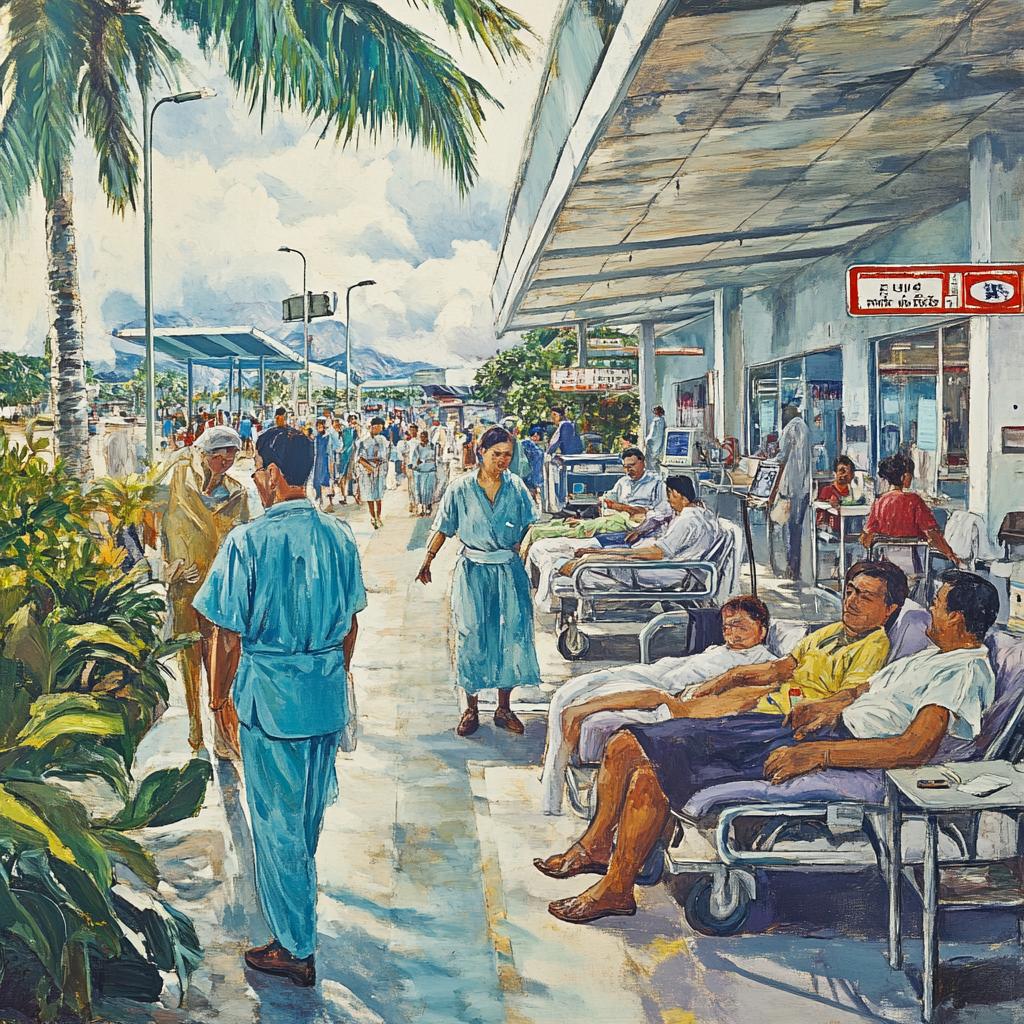
In an electrifying turn of events, Public Health Minister Somsak Thepsutin stepped into the spotlight to set the record straight over a rather astonishing figure that had tongues wagging across the nation. According to what seemed like an ominous report from the National Economic and Social Development Council (NESDC), healthcare costs for foreign workers appeared to skyrocket to a jaw-dropping 92 billion baht last year. However, Somsak, with the calm of a seasoned orator, confidently debunked this figure, clarifying that the real expense was a much tamer 2 billion baht.
Like an enthralling plot twist in a thrilling whodunit, Somsak revealed that the inflation of healthcare spending during 2021 and 2022 was not due to negligent budgeting but rather the tumultuous effects of the Covid-19 pandemic. The government, he stated, spent a precise 2.05 billion baht—no more, no less—on healthcare specifically catering to foreign workers, with a chunk of this being funneled to the critical areas near the border. His elucidation came with a pinch of disbelief at the magnitude of the error: "The 92-billion-baht figure is simply impossible,” he asserted, pointing out that such a sum would rank exorbitantly high, given that Thailand's total national health insurance budget hovers around 150 billion baht. Somsak suggested that this discrepancy might have stemmed from clerical errors in data handling and reporting, turning a simple number into a monstrous mystery.
Nevertheless, the NESDC report did highlight a legitimate trend—increasing healthcare demands from foreign patients, particularly in the bustling regions along the border, where 3.8 million healthcare visits were logged last fiscal year. These numbers painted a significant picture and not with mere watercolor brushes. Costs for this medical explosion were pegged at the previously controversial 92 billion baht, only 3.3% of which had been reimbursed, leaving local hospitals in urgent need of financial oxygen.
Adding a dash of national intrigue, it was revealed that hospitals at the border had suddenly turned into zones of heightened activity, with a surge in foreign inpatients, taking up a third of admissions in the last calendar lap. A notable 81% of this healthcare puzzle involved Myanmar nationals. Despite the presence of several healthcare safety nets such as the Migrant Health Insurance Scheme (MHIS), many foreign nationals, like clandestine visitors to a grand ball, accessed healthcare without formal invitations—a factor contributing significantly to the pressure on the public health system.
Amidst the findings, a slew of recommendations tailored toward resolving these fiscal and logistical challenges emerged. The report pushed for strategic resource allocation, fostering international cooperation to enhance healthcare provisions at the edges, and a more efficient process for verifying and securing insurance coverage. All these, as reported by the Bangkok Post, aimed at seeing light at the end of a particularly lengthy and winding tunnel.
In another revealing chapter, former subcommittee chair on ethnic human rights, Surapong Kongchantuk, drummed up support for bolstering healthcare in temporary shelters. He called for the establishment of solid infrastructures and the training of refugee health volunteers. His plea came against the backdrop of a temporary funding paralysis from the US, who was pausing to reassess its foreign policy strategies. This pause had drastic effects, causing closures of healthcare facilities due to staffing shortages—a stark reminder of the fragility and urgency of sustainable care solutions for the nation's overlooked segments.
As the curtain fell on this theatrical saga of figures and solutions, the need for new chapters in Thailand's healthcare narrative became more apparent than ever. Somsak's clarion call for clarity and resolution in this drama resonated like a siren song, setting the stage for further debates and decisions that may well shape the nation's future approach to international health policies.



Comment verification
Step 1 of 3
Verify your email once to publish your comment. Your email is never shown publicly.
Enter the 6-digit code sent to .
Choose the display name shown next to your comments.