Southeast Asia Soars: Aviation Growth in 2025 Highlights Regional Travel Boom
The year 2025 is witnessing Southeast Asia's aviation industry climbing to new heights, with airports across the region reporting remarkable growth in seat capacity. Driven by an insatiable thirst for travel, better…
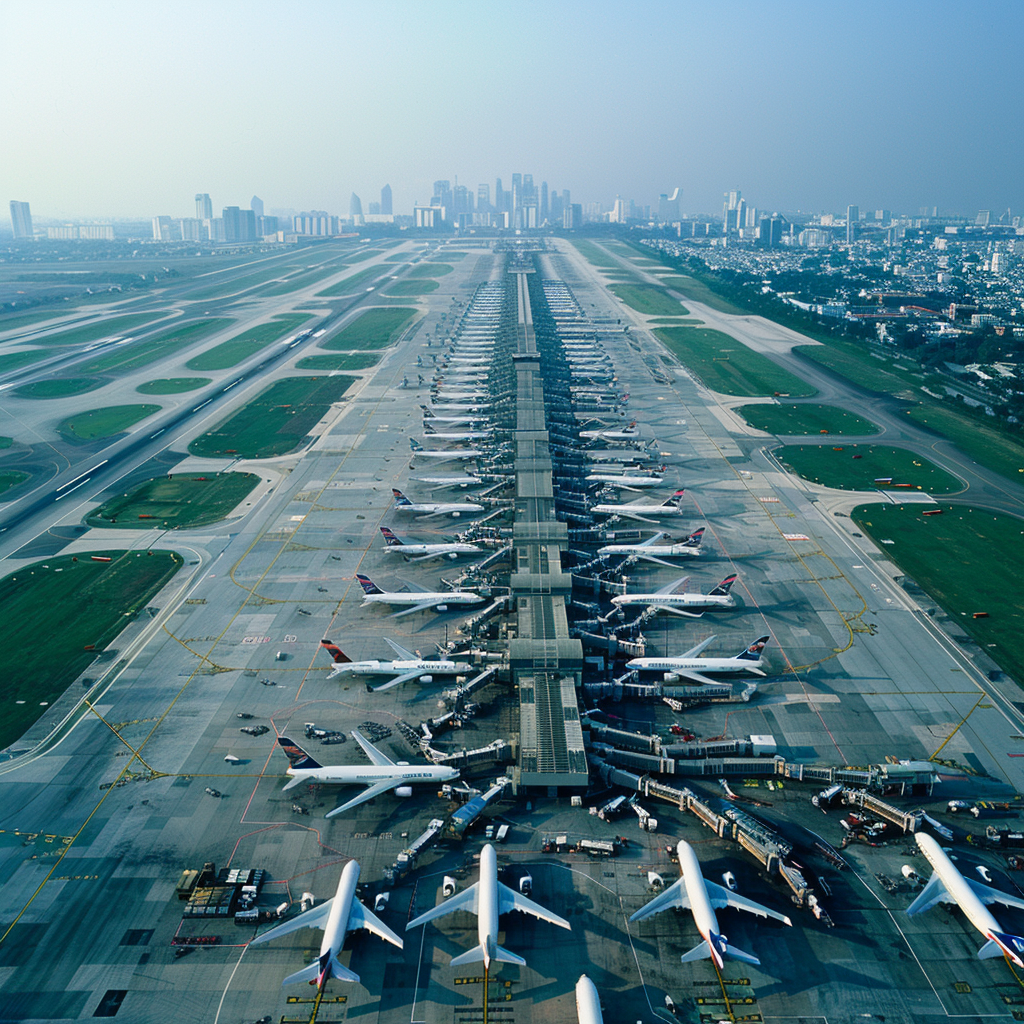
The year 2025 is witnessing Southeast Asia's aviation industry climbing to new heights, with airports across the region reporting remarkable growth in seat capacity. Driven by an insatiable thirst for travel, better airline networks, and cutting-edge connectivity improvements, Southeast Asia is solidifying its reputation as a titan in the global aviation sector.
Leading the way is Bangkok's Suvarnabhumi Airport, boasting an extraordinary rise of 407,000 seats this January. That's a 16% leap from the previous year, as this airport maintains its prestigious status as both a bustling tourist portal and a transit hub. Coupled with Thailand's soaring tourism revival, Suvarnabhumi Airport's significance and influence remain undisputed in the Southeast Asian landscape.
Not to be outdone, Malaysia's Kuala Lumpur International Airport posted impressive gains, recording a 10% uptick and welcoming over 368,000 new seats. Its strategic connectivity within Southeast Asia and the Middle East continues to charm business travelers and vacationers alike.
Meanwhile, Singapore's Changi Airport, a bastion of global connectivity, added nearly 336,000 seats—a commendable 11% increase. Revered for its extensive routes, Changi's progressive growth signifies its indispensable role as an international gateway par excellence.
And let's not forget Bangkok's Don Mueang Airport, a haven for budget-savvy flyers. This airport saw an electrifying 39% increase, with over 255,000 seats added to cater to the ever-growing pool of low-cost carrier enthusiasts.
Photo courtesy of KohPlanner
Further south, Phuket International Airport took flight by adding 194,200 seats, a dazzling 31% jump. Phuket's irresistibility as a prime beach hideaway for globetrotters, especially from Europe and Asia, is propelling this growth.
Vietnam’s Phu Quoc Airport emerged as a standout performer, with an astounding 185% surge in seat capacity, marking an additional 108,000 seats. This emerging tropical paradise has catapulted itself into prominence through new routes and fervent expansion.
Following closely is Indonesia’s Soekarno-Hatta Airport in Jakarta, showing a 176% increase with 106,000 new seats, mirroring Indonesia’s rejuvenated tourism and business accomplishments.
Even as Bali, Hanoi, and Ho Chi Minh City show significant momentum, the Southeast Asian aviation market is soaring to new heights. As the region invests strategically in connectivity and infrastructure, these airports are setting the stage for the future of global travel, promising an unforgettable year in 2025's soaring skies.
But travel around Southeast Asia isn't the only thing making headlines. The latest from Thailand reports a gamut of local happenings, featuring everything from brisk Chinese New Year spending estimated at 51 billion baht to Chiang Mai's bid for a UNESCO World Heritage designation. And let's not overlook the proposed launch of Thailand's digital TM6 for tourists!
Intrigue isn't limited to holidaymakers—crime snippets such as Russian tourists allegedly skipping the bill, along with serious incidents like wildlife poaching in Kanchanaburi, reveal the vibrancy and complexity of the region's social tapestry.
As 2025 progresses, the buzz surrounding Southeast Asia's aviation industry and local affairs is sure to keep globetrotters and armchair travelers entertained and intrigued. So, fasten your seatbelts, because it's going to be an exhilarating ride!



Comment verification
Step 1 of 3
Verify your email once to publish your comment. Your email is never shown publicly.
Enter the 6-digit code sent to .
Choose the display name shown next to your comments.