Thailand and Brazil Resolve WTO Sugar Dispute in Historic Abu Dhabi Agreement
In the glamorous city of Abu Dhabi, nestled amidst the shimmering sands of the United Arab Emirates, a significant event unfolded that not only marked the end of a protracted dispute but also heralded a new dawn for…
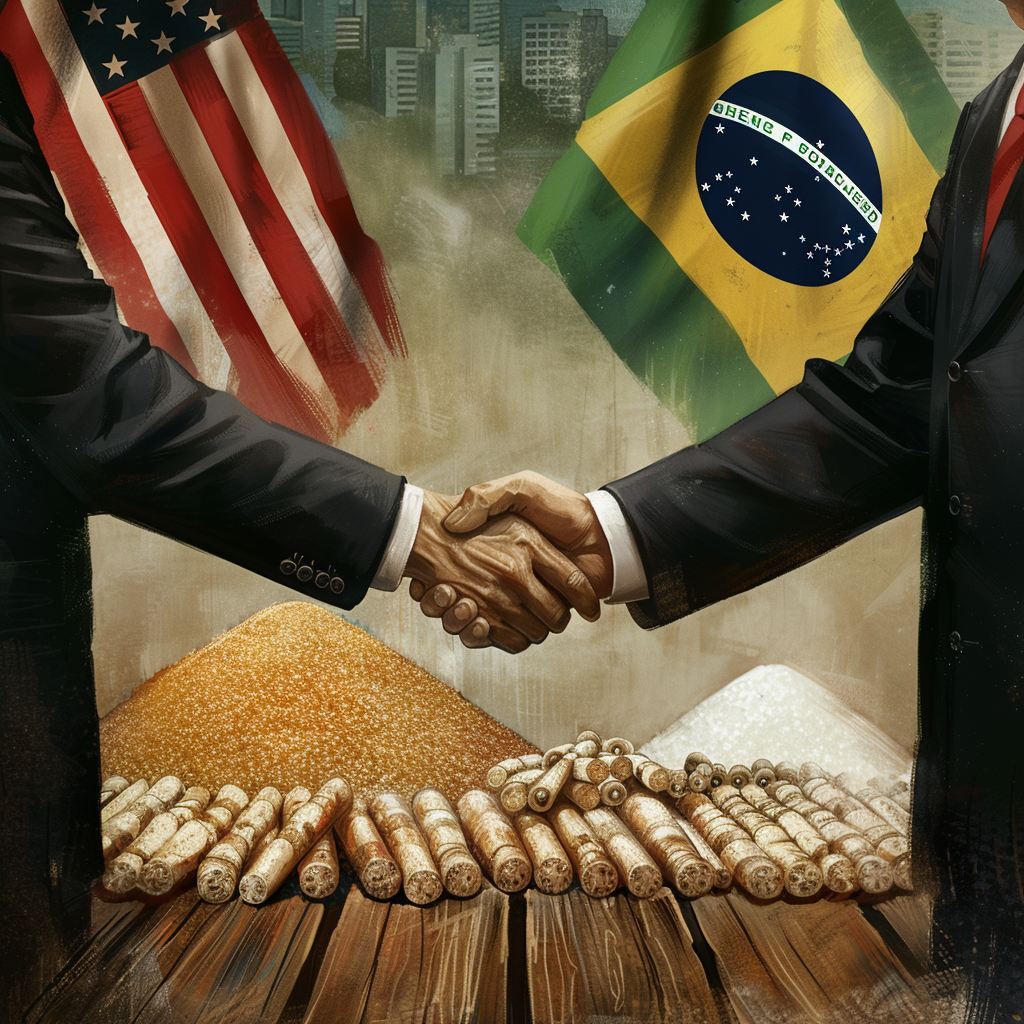
In the glamorous city of Abu Dhabi, nestled amidst the shimmering sands of the United Arab Emirates, a significant event unfolded that not only marked the end of a protracted dispute but also heralded a new dawn for international trade relations. The protagonists of our tale are two nations, Thailand and Brazil, each represented by their formidable envoys, Pimchanok Pitfield and Guilherme de Aguiar Patriota, respectively. Their mission? To ink a historic agreement on the sidelines of the 13th WTO Ministerial Conference, a gathering that drew the world’s gaze from February 26 to 29.
Our story finds its roots in a conflict as bitter as the sweetest sugar, dating back to 2016 when Brazil lodged a complaint with the World Trade Organization. At the heart of the dispute was an accusation that Thailand's sugarcane cultivation and sugar milling practices ran afoul of the subsidies guidelines set by the WTO, setting the stage for a legal tussle that would span across years.
But as we delve deeper, we witness not a tale of bitter rivalry, but one of diplomacy, resilience, and mutual respect. Pimchanok Pitfield, Thailand's permanent emissary to the WTO and the World Intellectual Property Organisation, recounts how both nations embarked on a journey of consultation and cooperation. Thailand, acknowledging the gravity of Brazil's concerns, embarked on an ambitious overhaul of its sugar industry, demonstrating a commitment to reform and sincere efforts to align its practices with WTO's stringent regulations on farm produce subsidies.
The turning point in their saga came with the signing of a memorandum of understanding in 2021, establishing a bilateral consultation mechanism. This pivotal accord opened the doors for ongoing dialogue and enabled Brazil to closely monitor the kingdom’s endeavors to transform its sugarcane and sugar sectors. For years, the specter of further complaints loomed overhead, yet Brazil, moved by Thailand’s dedication, chose the path of patience and understanding.
Fast forward to December 2022, and we celebrate a milestone with the implementation of the 2022 Sugarcane and Sugar Act in Thailand. This pivotal piece of legislation marked the culmination of Thailand's rigorous reform process, setting the stage for the final act in Abu Dhabi where both nations, after eight years of amicable negotiations, finally laid their dispute to rest.
Yet, this story transcends the resolution of a legal dispute. It's a narrative about the power of diplomacy and the enduring spirit of international cooperation. Thailand, as the world's third-largest sugar exporter, plays a pivotal role in the global sugar trade, exporting 6.54 million tonnes of sugar worth a staggering US$3.52 billion in the previous year alone. Its sugar, as sweet as the outcomes of effective diplomacy, finds its way to diverse destinations like Indonesia, the Philippines, South Korea, Cambodia, and Malaysia, weaving a complex tapestry of international relations and trade networks.
Sitting at the crossroads between cooperation and conflict, Thailand and Brazil chose a path that not only resolved their present disagreements but also laid down the foundations for a mutually beneficial future. As the sands of Abu Dhabi witnessed the signing of this historic agreement, the world too, watched in awe, reminded once again of the victories that patience, understanding, and genuine efforts can achieve in the realm of international diplomacy and trade.



Comment verification
Step 1 of 3
Verify your email once to publish your comment. Your email is never shown publicly.
Enter the 6-digit code sent to .
Choose the display name shown next to your comments.