Thailand

Thailand-Poland Medical Technology Partnership: Ambassadors Push for Deeper Cooperation

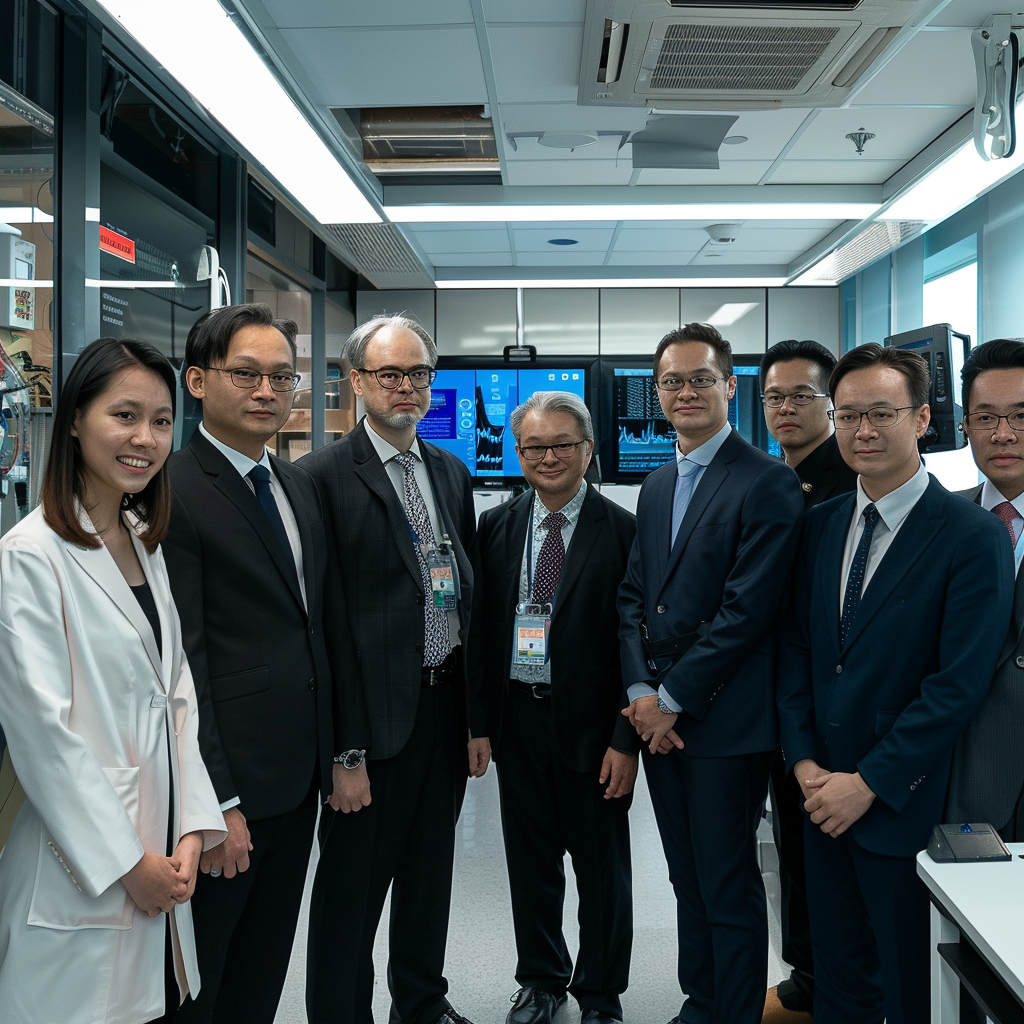
Thai and Polish medical technology entrepreneurs on Tuesday posed for a lively group photo with Polish ambassador, Artur Dmochowski (centre with glasses), and Wiwat Hemmondharop, Vice Chairman of the Federation of Thai…
Thailand-Poland Medical Technology Partnership: Ambassadors Push for Deeper Cooperation

Thai and Polish medical technology entrepreneurs on Tuesday posed for a lively group photo with Polish ambassador, Artur Dmochowski (centre with glasses), and Wiwat Hemmondharop, Vice Chairman of the Federation of Thai Industries, to his left, just before the much-anticipated seminar. Captured by Poramet Tangsathaporn, the photo radiated a sense of unity and excitement about future prospects.

In recent years, Thailand and Poland have enjoyed robust trade ties, but there's a growing consensus that it's time to take this partnership to the next level. In his opening remarks at the seminar in Bangkok, Polish ambassador Artur Dmochowski emphasized the potential for further strengthening business cooperation, particularly through medical technology investment. "Our nations already share a strong bond, but the world of medical technology offers endless possibilities for deeper economic, commercial, and technological collaboration," he proclaimed.

Dmochowski lauded Thailand's healthcare system, recognizing it as one of the world's finest, and a premiere destination for medical tourism. "Medical tourists flock to Thailand for its top-notch healthcare services, and this creates a fertile ground for collaboration. Poland, on the other hand, boasts a rapidly growing medical sector, staffed by highly skilled professionals and marked by low labor costs," he noted. He argued that the strategic geographical positions of Thailand in Southeast Asia and Poland in central Europe provide unique advantages for this collaboration.

The ambassador was optimistic, "I see this as a golden opportunity for both sides to reinforce our already good relations and expand our economic cooperation," he added, heartily.

Echoing Dmochowski's sentiments, Wiwat Hemmondharop, vice chairman of the Federation of Thai Industries, spotlighted the importance of the medical sector. "Healthcare clusters rank among the 46 main industries that we are focusing on," he pointed out. "While Europe, and Poland in particular, are renowned for their advanced medical technology, Thailand boasts some of the best hospitals and highly efficient healthcare personnel. This makes our countries natural partners."

Wiwat proposed that these strengths could propel Thailand to become a hub of medical technology for ASEAN countries. He cited the surging demand for electric vehicles and the resultant transformation in the automobile industry as a parallel. "Nearly a million workers in the internal combustion (IC) car manufacturing sector are at risk of unemployment due to this shift," he warned. Consequently, the Federation of Thai Industries is urging automobile factories to pivot towards medical technology and equipment manufacturing instead.

"We extend a warm welcome to Polish investors, especially those in the high-technology medical sector. There is so much we can achieve together through knowledge exchange and long-term cooperation," Wiwat enthused.

The event highlights don't end there. Polish Medical Technologies will be on full display at the eagerly awaited Medlab Asia & Asia Health 2024, kicking off today until July 12 at the Queen Sirikit National Convention Center. This showcase promises to be a melting pot of innovation, setting the stage for future collaboration and advancements in the medical technology field between these two dynamic nations.


31Comments
Sort by:
ALAnna Lee··1 pts · 3 replies
AL
Anna Lee
This partnership sounds promising! Medical technology is crucial, and blending expertise from different countries can only bring more innovations.
1
JPJakub P.··1 pts
JP
Jakub P.
Absolutely! Thailand's medical tourism industry is already booming, and partnering with Poland might help reduce costs even further while improving technology.
1
Ggrower134·1 pts
G
grower134
That's true, but what about focusing on improving public healthcare within Poland first? Seems a bit opportunistic.
1
ALAnna Lee·1 pts
AL
Anna Lee
Yes, there's a balance to be struck. However, international collaborations can lead to advancements that benefit both countries' healthcare systems.
1
DKDavid K.··1 pts · 3 replies
DK
David K.
Sounds like another corporate-driven initiative. Are they really thinking of the people, or just profits?
1
TTulipLover72··1 pts
T
TulipLover72
Isn't every partnership driven by profit at the end of the day? As long as there's innovation and job creation, it benefits everyone.
1
NRNina R.··1 pts
NR
Nina R.
True, but there's a difference between ethical profit and exploitation. We need to watch these deals closely.
1
DKDavid K.··1 pts
DK
David K.
Exactly. Oversight will be key. We cannot allow unchecked corporate gain at the expense of healthcare quality.
1
SYSara Y.··1 pts · 2 replies
SY
Sara Y.
Medical technology is great, but are they considering the environmental impact of shifting automobile factories to medical equipment manufacturing?
1
EEcoGeek··1 pts
E
EcoGeek
Good point! Transitioning industries always has an environmental cost. They should have stringent eco-friendly guidelines.
1
SYSara Y.·1 pts
SY
Sara Y.
Indeed! It's crucial, especially with the global climate crisis, to ensure that this transition is as green as possible.
1
TTom··1 pts · 3 replies
T
Tom
Why Poland and Thailand? Aren't there other countries with more advanced medical technology?
1
KWKarol W.··1 pts
KW
Karol W.
It's about strategic positioning too. Poland in Europe and Thailand in Southeast Asia create a global network that's beneficial for both.
1
SSara··1 pts
S
Sara
And it's not just about who has the 'most advanced'. It's about complementary strengths and opportunities.
1
TTom··1 pts
T
Tom
Alright, fair enough. I just hope they can really make it work.
1
JSJohn Smith··1 pts
JS
John Smith
I think this is a great idea! More cooperation can only mean more advancements in medical technology.
1
PGPolly G.··1 pts
PG
Polly G.
What a fantastic opportunity for Thailand! I'm excited to see what innovations come out of this.
1
PMProf. Miller··1 pts · 3 replies
PM
Prof. Miller
As an expert in medical technology, I believe this partnership could pave the way for significant breakthroughs in both countries.
1
MMax··1 pts
M
Max
That's high praise! What kinds of breakthroughs do you foresee?
1
TLTommy Lee··1 pts
TL
Tommy Lee
Yea, agree. Any insights into what to expect, Prof. Miller?
1
PMProf. Miller··1 pts
PM
Prof. Miller
I expect advancements in telemedicine, wearable health tech, and AI-driven diagnostics. Both nations have much to offer.
1
OOlivia··1 pts
O
Olivia
Don't forget the cultural differences. These can either weaken or strengthen partnership outcomes.
1
LDLarry D··1 pts · 2 replies
LD
Larry D
Interesting to see automobile factories pivoting towards medical tech. Could be a lifesaver for those workers facing unemployment.
1
JJason24··1 pts
J
Jason24
Definitely. But re-training those workers is going to be a huge challenge.
1
LDLarry D··1 pts
LD
Larry D
True, but with the right programs, it's possible. It could open up new opportunities for the workforce.
1
GGrower134··1 pts
G
Grower134
Concerned about the long-term sustainability of such partnerships. What guarantees are there for continued success?
1
BBen··1 pts
B
Ben
Considering the global medical needs post-pandemic, this partnership could be a game-changer!
1
SSkyDiver_61··1 pts · 1 reply
S
SkyDiver_61
Why not? If it can lead to job creation and technological advancements, then it's worth a try!
1
JDJohn D.··1 pts
JD
John D.
Totally agree. Plus, it shows innovative thinking and adaptability by these countries.
1
EPEmma P.··1 pts
EP
Emma P.
Definitely an exciting time for medical tech, but let's see if the actual implementation lives up to the promises.
1
RKRichard K.··1 pts
RK
Richard K.
Strategic geographic positions are a huge win. This could make both countries leaders in global medical innovations.
1
