Thailand Strengthens Democracy: Jamnong Chaimongkol Champions Law to Deter Military Coups
In a move that could easily be mistaken for a plot twist in a political thriller, the Defence Council of Thailand has taken a significant step towards shoring up the ramparts of democracy. Under the watchful eye of…
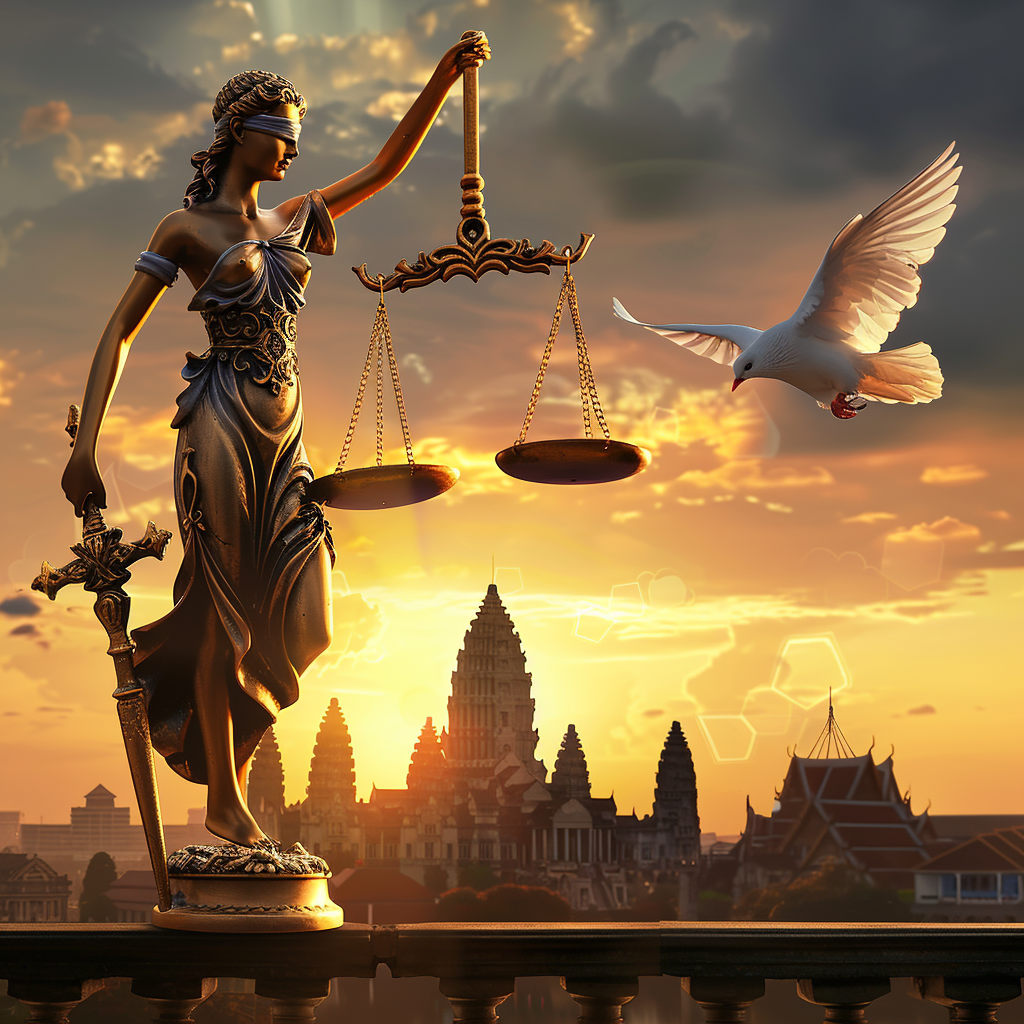
In a move that could easily be mistaken for a plot twist in a political thriller, the Defence Council of Thailand has taken a significant step towards shoring up the ramparts of democracy. Under the watchful eye of Jamnong Chaimongkol, the sprightly Defence Vice Minister, a groundbreaking proposal has received the green light, essentially giving the Prime Minister the power to put the brakes on any top officer who might be getting a little too ambitious about rearranging the furniture in the government house.
Imagine the scene: It's April 19, an ordinary day transformed into a historic moment as Defence Minister Sutin Klungsang chairs a Defence Council meeting that would ink its way into the books. The agenda? A proposal that's all about tightening the leash on potential coup plotters. This isn't just about updating the wallpaper; it's a full-on renovation of two pivotal laws – the administrative beats of the Defence Ministry and the charter of the Military Court are getting a makeover, and there's a fresh set of criteria for promoting generals to boot.
Here's where it gets juicy: Want to wear those stars? Better make sure your closet's clean of skeletons. Our future generals need to be as clean as a whistle – no dabbling in drugs, steering clear of human trafficking, and preserving nature like it's their own backyard. Conflicts of interest? That's a no-go. And if you're tangled up in criminal proceedings, unless it's for something minor like spilling coffee on a legal document (ok, maybe not exactly, but you get the drift), think again.
The crown jewel of this proposal? It empowers the Prime Minister, backed by the cabinet's nod, to suspend any senior officer scheming to moonlight as a coup conductor. Mr. Jamnong threw the spotlight on how this wasn't a spur-of-the-moment idea. Civic groups and the ruling Pheu Thai Party had been knitting this safety net for a while. Enter Mr. Sutin, our defense minister, who marshaled a think tank to chew over this hot potato, with military minds invited to sprinkle their insights.
"The armed forces commanders kept their cards close to their chest," remarked Mr. Jamnong, painting a picture of a meeting tinged with suspense. In a world where anti-coup clauses in constitutions are about as sturdy as a house of cards, the rationale was simple: embed these safeguards in the law, making it a stronghold against any undemocratic ambitions.
It's a vision that germinated in the fertile grounds of pro-democracy discussions, a dream shared by the comrades of Pheu Thai and the Move Forward Party, especially under the shadow of the Prayut Chan-o-cha administration. Now, with the proposal prepped to dance through the cabinet before taking center stage in parliament, it's a waiting game.
But that's not all – the meeting was buzzing with more than just anti-coup chatter. The Defence Council is expanding its guest list, adding two more names to its roster of members. Another headline grabber? The decision to close the curtains on Military Courts across the provinces, handing the baton to the Criminal Court for civil disputes, with a wartime exception allowing appeals to the Supreme Military Court. It's all part of a master plan to ensure the nation's defense administration stays in step with the evolving moves of society.
To top it off, Col Dangjai Suwannakitti, the Deputy Defence Ministry spokeswoman with stats at her fingertips, revealed a surge in this year's military conscriptions – a whopping 42,260 eager recruits, marking a noticeable 9% increase from the previous year. It seems, despite all the legal leaps, the spirit of service among Thailand's youth is as robust as ever.
In this riveting episode of real-life political maneuvering, Thailand stands at a crossroads, armed with laws aimed to fortify its democratic foundations while navigating the tightrope of military-civil relations. Only time will tell if these measures will anchor the nation's journey towards a more secure, democratic future.



Comment verification
Step 1 of 3
Verify your email once to publish your comment. Your email is never shown publicly.
Enter the 6-digit code sent to .
Choose the display name shown next to your comments.