Thailand's Controversial Deportation of Uyghurs Sparks International Outcry
In a stunning turn of events, Thailand has sent 40 Uyghurs back to China after more than ten years in detention, sparking a wave of international outcry. The United Nations High Commissioner for Refugees (UNHCR) has…
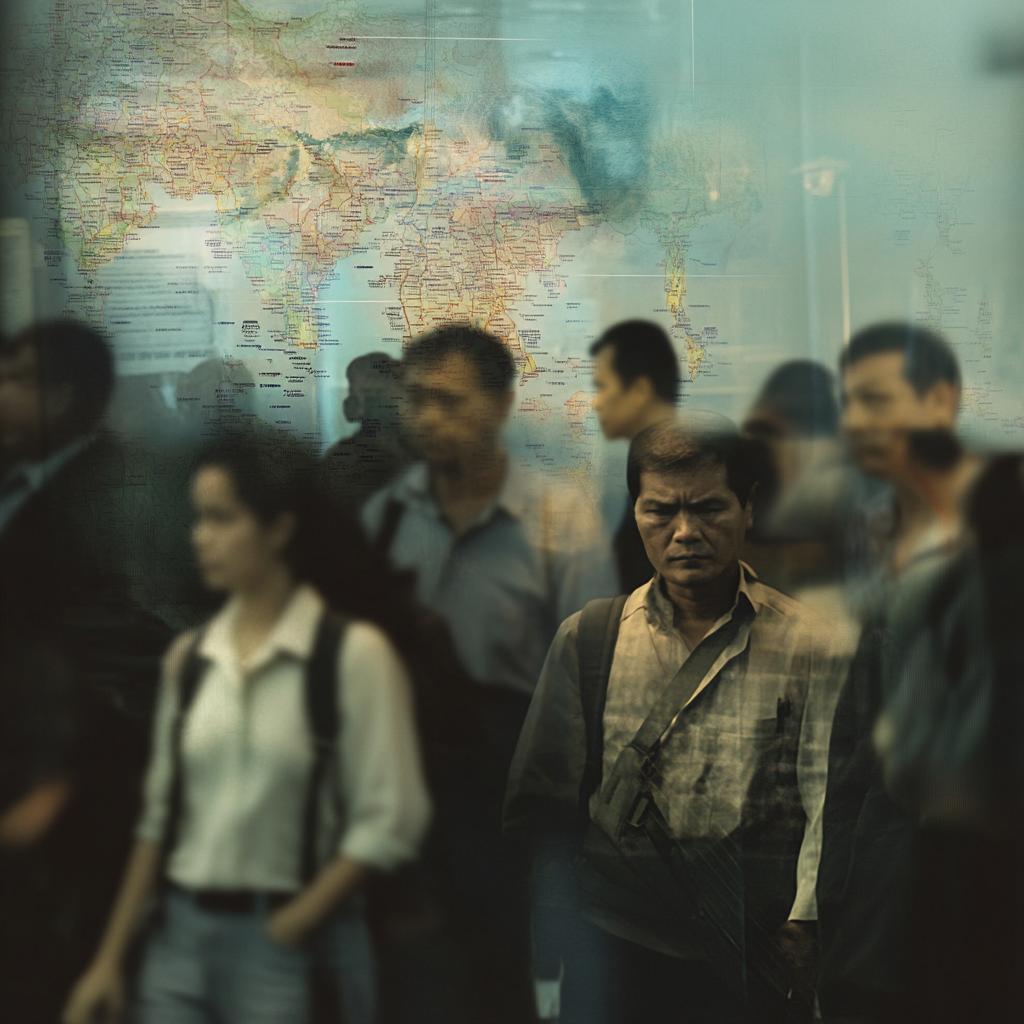
In a stunning turn of events, Thailand has sent 40 Uyghurs back to China after more than ten years in detention, sparking a wave of international outcry. The United Nations High Commissioner for Refugees (UNHCR) has been quick to condemn this move, voicing sincere condolences and calling it a blatant violation of international law. As the saga unfolded, the UNHCR highlighted their continuous, albeit thwarted, efforts to gain access to these detainees, stressing the sinister fear that these individuals would endure persecution upon returning to China.
The Thai officials, at first, seemed to have promised the UN agency that a deportation was not on the cards, but intriguingly, UNHCR never got the opportunity to meet with the Uyghurs. When probed about the intentions concerning the deportation, Thai officials with a sense of evasive solace claimed that no final verdict was reached. Yet, as the dust settled, it seems the decision was as elusive as smoke in the wind.
According to Ruvendrini Menikdiwela, UNHCR’s Assistant for Protection, this deportation shakes the very foundation of the principle of non-refoulement, a rule forbidding the return of individuals to territories where they might face grave dangers. This principle not only weaves through the Prevention and Suppression of Torture and Enforced Disappearance Act in Thailand but also resonates with Article 16 of the ASEAN Declaration on Human Rights and Article 14 of the Universal Declaration of Human Rights.
Since as early as 2014, the UNHCR has called for more humane solutions and safety nets for these Uyghurs, continually urging Thailand to chart a different course. Yet the echo of those calls seems to have found no ears, leaving the incident to sour under the sun.
In a tapestry woven with diplomatic delicacies, the Thai officials stand by their actions, asserting that the deportations colored within the lines of diplomatic protocol. The Deputy Prime Minister and Minister of Defence, Phumtham Wechayachai, urged that every step was taken with careful calibration against the measure of international laws and human rights obligations. In his words, the process underwent meticulous scrutiny to ensure zero harm or adverse outcomes, maintaining that the Uyghurs themselves opted for the return after convivial talks with Chinese officials and their kin.
Thailand’s display of assurance doesn't end there. They declared that China offered a guarantee that these Uyghurs wouldn’t fall prey to persecution and would reunite with their families. Chinese officials, stepping in with an air of lawful rectitude, noted that the returnees committed merely incidental immigration offences, patching the narrative together with the promise that their record didn’t include serious crimes.
However, as assurances wafted through the corridors of power, human rights groups remained perched on the fence of doubt. The lingering fear is that these Uyghurs may indeed still face persecution back in China. As a result, the UNHCR has raised their voice anew, pleading with Thailand to reconsider forced returns and imploring them to uphold robust international human rights standards.
This incident has, without doubt, stirred the pot of criticism against Thailand’s immigration and refugee policies, especially regarding those most vulnerable and at risk of persecution. Meanwhile, other stories unravel across the land, with moments such as the apprehension of a Singaporean hacker by Thai police and the unfolding mystery of a missing American woman in Phuket capturing attention. Yet, the tale of these 40 Uyghurs echoes through the chambers of justice — an enduring reminder of the complex dance between sovereignty, international law, and human rights.



Comment verification
Step 1 of 3
Verify your email once to publish your comment. Your email is never shown publicly.
Enter the 6-digit code sent to .
Choose the display name shown next to your comments.