Thailand's Potential Retirement Age Increase: Implications for the Social Security System
In a recent announcement, the Social Security Office (SSO) of Thailand addressed widespread rumors concerning a potential adjustment in the retirement age for pension eligibility. Contrary to popular belief, the notion…
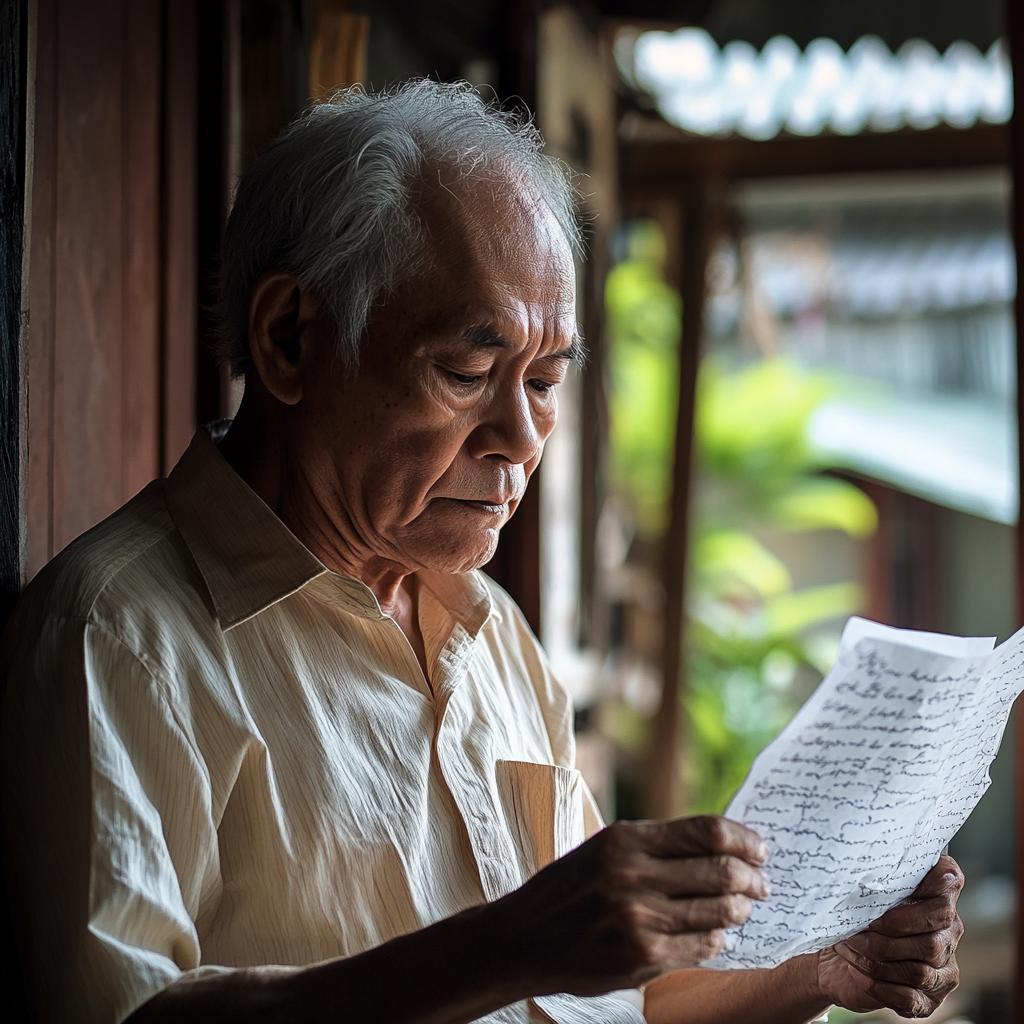
In a recent announcement, the Social Security Office (SSO) of Thailand addressed widespread rumors concerning a potential adjustment in the retirement age for pension eligibility. Contrary to popular belief, the notion of increasing the retirement age from 55 to 65 remains just a suggestion, originating from the International Labour Organisation (ILO), and hasn't yet been implemented. The Secretary General of the SSO, Marasri Jairangsee, highlighted that this idea has been under review since 2017, but no legal steps have been taken towards its realization. Marasri's comments came in response to the Labour Ministry spokesperson, Phumphat Muanchan, who discussed several strategies aimed at preserving the financial sustainability of the Social Security Fund (SSF), including a gradual increase in the retirement age.
Under the current Social Security Act of 1990, to claim an old-age pension, individuals must meet three requirements: they must be at least 55 years old, must no longer be insured under either Section 33 or Section 39, and should have contributed to the fund for a minimum of 15 years, whether continuously or intermittently. A person satisfying these conditions can retire and start accessing their pension benefits at 55. Marasri emphasized the point that the proposal to increase the pension eligibility age remains a separate consideration from another prominent idea under assessment. This other proposal aims to raise the upper age limit for new enrollees under Section 33 from 60 to 65, acknowledging Thailand’s evolving workforce dynamics as it grows older.
There's more than just the retirement age on the table. The Labour Ministry is considering a gradual increase in the wage ceiling for social security contributions from the current 15,000 baht to an anticipated 23,000 baht by 2031. Additionally, there's talk of increasing government contributions from 2.75% to a substantial 5%. Another intriguing financial tweak involves the adjustment of the investment return for the SSF to 5% annually to ensure its long-term stability. As per a report by the Bangkok Post, these changes point towards a robust introspection as the SSF, valued at an astronomical 2.65 trillion baht, stands as Thailand’s largest public fund with about 24 million members reliant on it.
Concerns about the SSF's ability to remain sustainable for the next thirty years have prompted lively discussions marked by differing perspectives. The opposition People’s Party recently raised eyebrows by accusing the SSO of mismanaging the fund. A noteworthy counter to this concern is the set of strategic proposals aimed at fortifying the fund for the times ahead, ensuring that it continues to serve as a robust safety net for Thailand’s aging population.
Admittedly, discussions about money, numbers, and age can seem tedious or daunting. However, the underlying discussion here isn’t just about figures; it’s about securing the future for millions of hardworking individuals who rely on these benefits, wrapping them in a safety blanket as they transition into retirement. The interplay of policy considerations and real-world implications makes for a complex yet fascinating arena. One can sense in the layers of this discourse not just a dialogue about regulations but a sincere exploration of the best path forward for Thailand's aging workforce, navigating the rocky terrains of economic viability and social responsibility.
As we await more developments on this front, what remains clear is the commitment of the relevant stakeholders in fostering an equitable and sustainable social security system. Stay tuned as the conversations unfold, promising to be a saga worth watching in Thailand’s journey of fiscal innovation and social protection.



Comment verification
Step 1 of 3
Verify your email once to publish your comment. Your email is never shown publicly.
Enter the 6-digit code sent to .
Choose the display name shown next to your comments.