Thailand's Submarine Saga: PM Paetongtarn Shinawatra Faces Political Storm Over Naval Stalemate
Ah, Thailand! A country known for its beautiful beaches, delicious cuisine, and the occasional political hullaballoo. As it turns out, the latest theatrical plot twist in the Land of Smiles has little to do with…
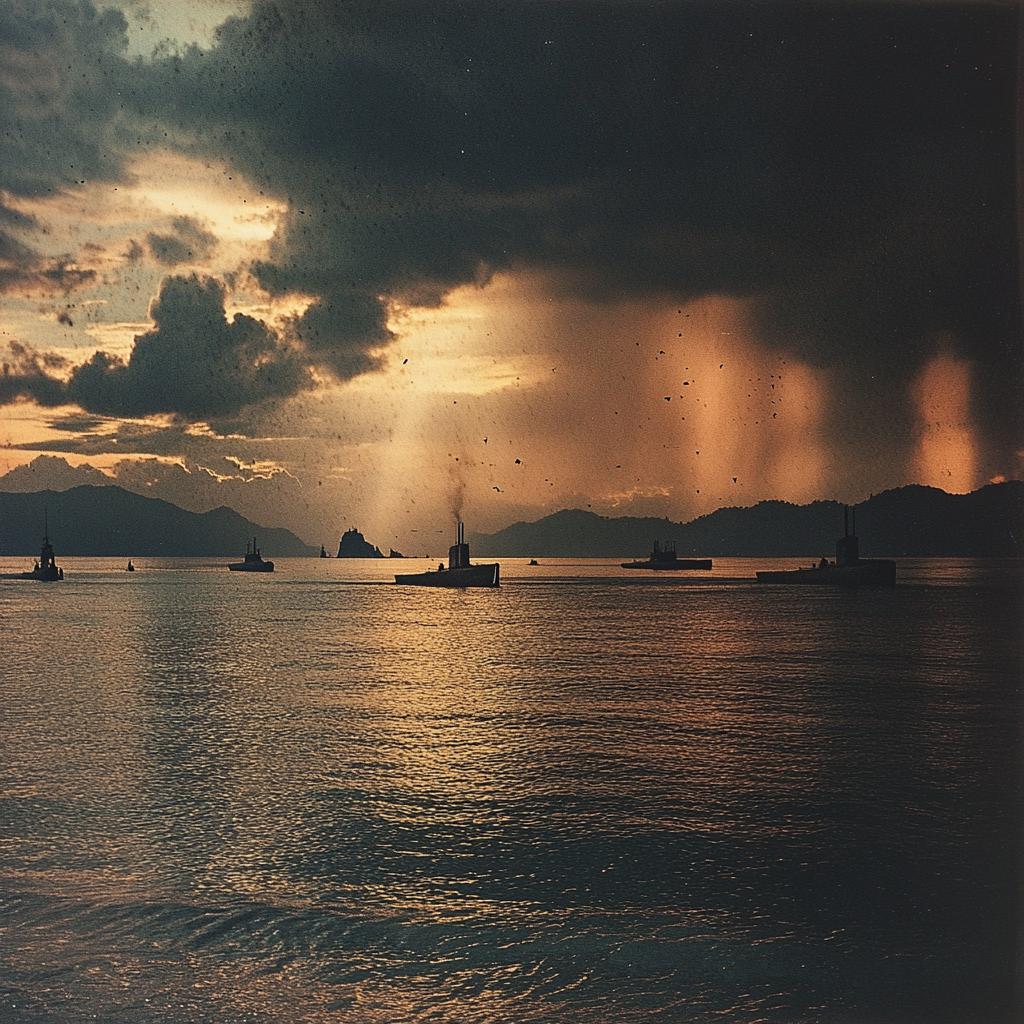
Ah, Thailand! A country known for its beautiful beaches, delicious cuisine, and the occasional political hullaballoo. As it turns out, the latest theatrical plot twist in the Land of Smiles has little to do with sunbathing tourists and more to do with submarines, warships, and political paralysis.
Currently, Thailand’s ambitious maritime dreams find themselves stuck in the political doldrums. With the Pheu Thai-led government effectively playing tug-of-war with key decisions, these naval projects are desperately floundering for traction. At the center of this hullabaloo is Prime Minister Paetongtarn Shinawatra, who is bracing for a spectacularly heated censure debate scheduled later this month. Meanwhile, the Royal Thai Navy’s bold schematics, including a long-stalled submarine deal, hang in the balance.
Let’s dive back to the beginning of this maritime soap opera, where in an initial act of trust, Thailand embraced China’s offer of an alluring S26T Yuan-class submarine. It came with a shiny new Chinese CHD 620 engine and a 200-million-baht compensation package meant to ease the sting of financial losses and wasted time. How did we arrive here, you ask? The protagonist of this plot twist is none other than the notorious embargo that kiboshed the deal for the original German-made MTU 396 engine – a major fallout following the 1989 Tiananmen Square dust-up.
Despite former Prime Minister Srettha Thavisin giving the nod, the brakes have been applied by the current Defence Ministry with Phumtham Wechayachai at the helm. His response? Ship the proposal off for scrutiny across a dozen agencies. Feeling like you’re watching a bureaucratic version of hot potato? You’re not alone. A senior naval official anonymously shared the widespread exasperation, lamenting, “We complied with all requirements and have been waiting nearly a year for a decision. Nobody can explain what’s holding up the process.”
As we fast forward to the present-day climax, Thailand has already coughed up 7.7 billion baht of a total 13.9-billion-baht agreement with China Shipbuilding & Offshore International Co., Ltd (CSOC). Yet, only 64% of this military sea monster has materialized. Should the Cabinet green-light the latest conditions, expect a submarine reaching Thai waters by 2028, complete with an extended engine warranty and further training perks. Critics, of course, have set sail with cries of discontent. Opposition MP Wiroj Lakkhanaadisorn, never one to mince words, blasted the navy's modest demands, arguing that a billion baht is a more fitting recompense for the colossal headaches and financial hits.
To add more jetsam to this maritime tale, during a visit to Sattahip Naval Base, Wiroj alongside the Military Affairs Committee checked out submarine-ready infrastructure. Fearing a plot twist where the submarine initiative might capsize, authorities admitted these facilities could be refitted for other war vessels like frigates or corvettes.
As the Royal Thai Navy cautiously navigates these choppy waters, they’ve set their sights on another titanic proposal: a budget-busting 35-billion-baht plan for two state-of-the-art 4,000-tonne frigates. These mighty sea marvels boast stealth capabilities, anti-drone systems, and the fanciest radars on the market. Here’s the kicker – one must be assembled on local shores, a domestic boon heavily supported by the opposition. But let’s pump the brakes – budget constraints mean the Navy risks snagging just a single frigate, leaving shipbuilding insiders waving red flags. With the political clouds looming overhead, the fate of Thailand’s monumental maritime ambitions remains as unpredictable as the tides.



Comment verification
Step 1 of 3
Verify your email once to publish your comment. Your email is never shown publicly.
Enter the 6-digit code sent to .
Choose the display name shown next to your comments.