Urgent Dugong Conservation Efforts: Seagrass Depletion Threatens Survival on Thailand's Andaman Coast
According to a recent report by the Department of Marine and Coastal Resources (DMCR), approximately 40% of the dugongs that washed ashore last year were found to be underweight, which is largely attributed to a…
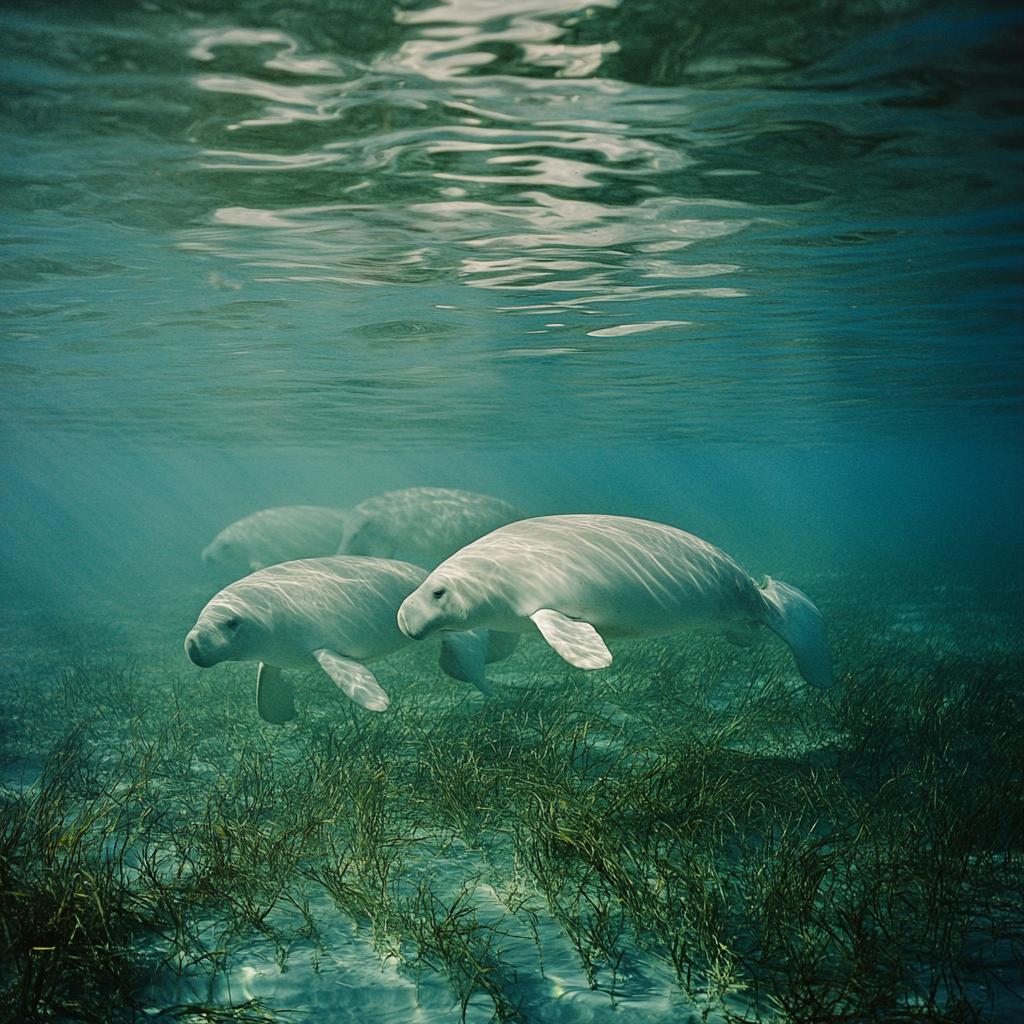
According to a recent report by the Department of Marine and Coastal Resources (DMCR), approximately 40% of the dugongs that washed ashore last year were found to be underweight, which is largely attributed to a dwindling supply of seagrass, their primary nourishment. Earlier this year, the DMCR, alongside the World Wildlife Fund (WWF) Thailand, embarked on an investigative survey of the dugong predicament along the Andaman coast. The revelations were concerning, pointing to an oceanic ecosystem in peril, with vast expanses of seagrass meadows in regions such as Trang, Krabi, and Phuket distressingly degraded.
This ecological degradation has left countless dugongs scrambling to find sustenance, as their usual feeding grounds suffer. Notably, the incidence of stranded dugongs has spiked dishearteningly. The report disclosed uncertainty around the exact causes behind this seagrass degradation, though plausible culprits include sediment buildup, unauthorized coastal developments, soaring sea temperatures, and even natural predators. Particular seagrass species are notably slow in their recovery from such adversities. Highlighting a troubling trend, the average number of stranded dugongs surged to 42 between 2023 and 2024, doubling from a prior average of 20 between 2019 and 2022. Even more worrying is that nearly 40% of these unfortunate sea creatures were found malnourished, as shared by Eknarin Ariyavongvivat, the esteemed director of Marine and Coastal Resources Conservation at WWF Thailand, in a statement dated March 8.
The investigation further noted an alarming drop in birth rates among dugongs, plunging to a dismal 3% in 2024 from a more robust 9% between 2020 and 2023—a clear call for comprehensive conservation action. "This survey not only broadens our grasp of the dire situation but also underscores an urgent imperative for cohesive short-term and long-term conservation strategies," emphasized Eknarin. In response, WWF Thailand is poised to elevate the protection of seagrass and dugongs to a national conservation priority. After all, seagrass forms the very backbone of coastal ecosystems, and its neglect threatens not just the dugongs, but the very ecological harmony of the Andaman Sea. As things stand, the dugong population teeters at a precarious headcount of 100, leaving no room for inaction.
From the onset of the year, the DMCR has, regrettably, identified seven dugongs that had succumbed, reported the Bangkok Post. The sight of these gentle giants struggling is a clarion call for enhanced protective measures—a stance recently echoed by Chalermchai Sri-on, the Minister of Natural Resources and Environment. New initiatives are supposedly underway, all in a valiant effort to shelter these vulnerable marine herbivores whose futures hang in the balance with the ebbing seagrass meadows.
Meanwhile, wider concerns sweep across Thailand. From hefty crystal meth busts in Chiang Rai to the tragic drowning in Pattaya's waters, news headlines reveal a nation bustling with activity and, sometimes, turmoil. Amidst these, the plight of the dugongs serves as a poignant reminder of the delicate interplay between human activities and natural ecosystems. As Thailand juggles its internal challenges, the nation's approach to environmental conservation, especially concerning its marine life, remains a critical barometer for sustainability and ecological resilience. Together, a reinvigorated commitment to both restore and preserve the rich seagrass habitats and protect these magnificent sea cows could pave the way for a thriving, balanced Andaman Sea for generations to come.


Comment verification
Step 1 of 3
Verify your email once to publish your comment. Your email is never shown publicly.
Enter the 6-digit code sent to .
Choose the display name shown next to your comments.