Chiang Mai Yi Peng 2026 Sends 4.62 Billion Baht Through the Northern Tourism Economy
Provincial figures put Yi Peng local circulation above 4,617 million baht, with hotels at 95.61 percent occupancy and visitors from 110 countries, while the same meeting prepared for haze season and Kok River contamination in Mae Ai.

Chiang Mai closed its 2026 Yi Peng week with more than 4.62 billion baht moving through hotels, kitchens, transport, and night-market stalls, according to figures laid before the province's monthly chiefs meeting on 27 November. Governor Thotsaphon Phueanudom (ทศพล เผื่อนอุดม) chaired the session at the Chalermphrakiat 80 Phansa hall inside the provincial government centre. Tourism led. Forest-fire readiness and Kok River contamination followed.
The headline number is local circulation, not a nationwide scoreboard. Officials reported more than 4,617 million baht turning over during the Yi Peng period. Hotel occupancy reached 95.61 percent. Guests arrived from 110 countries.
From January through October, Chiang Mai recorded about 9.7 million visitor arrivals and 91,599 million baht in tourism income, up 3.24 percent on the same stretch a year earlier. Yi Peng is the spike on that curve, not the whole story.
A Lanna Festival Timed to the Full Moon
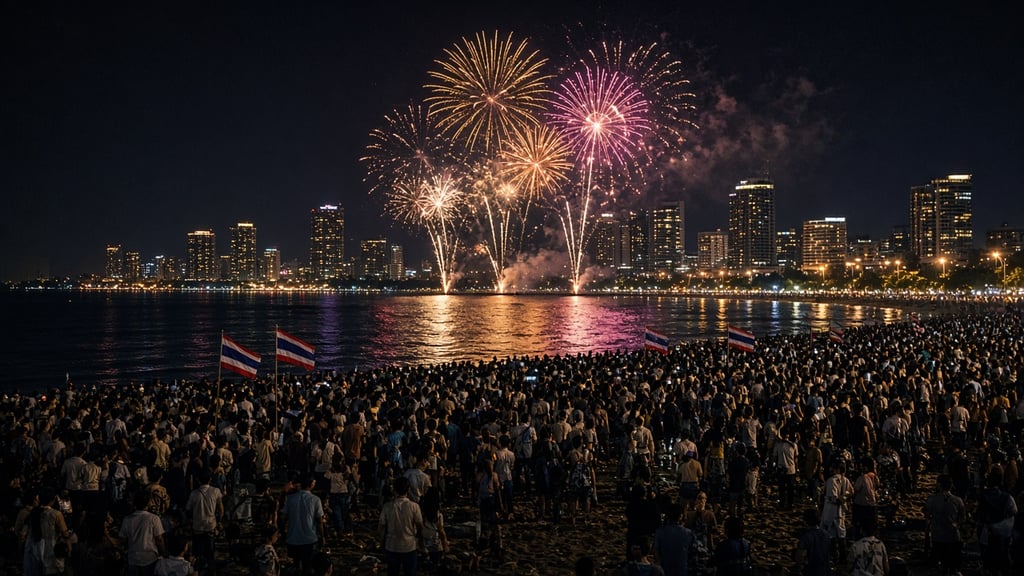
The Tourism Authority of Thailand listed Chiang Mai Yi Peng 2026 for 23 to 25 November, with the full moon on 24 November. Nationally, TAT projected about 6 billion baht in domestic tourism spending across the Loi Krathong window, supported by an estimated 1.83 million domestic trips.
Yi Peng is not simply Loy Krathong with extra lanterns. The Lanna festival of lights is a three-day rite of khom loi sky lanterns offered upward, while krathongs on the Ping River are a Central Thai custom directed at the water. In Chiang Mai the two calendars meet.
This year's city programme mixed temple and moat lamp-lighting, the Tam Phang Prathit Song Fa Haksa Mueang ceremonies at Wat Chedi Luang from 20 to 23 November, authorised sky-lantern releases on 24 and 25 November in designated parts of Mae On, Doi Saket, and San Sai, and a grand krathong procession from Tha Phae Gate to Chiang Mai Municipality on 25 November. Mass releases over the old city ended years ago because paper lanterns and jet engines do not mix.
Airports, Rooms, and the Cost of a Full City
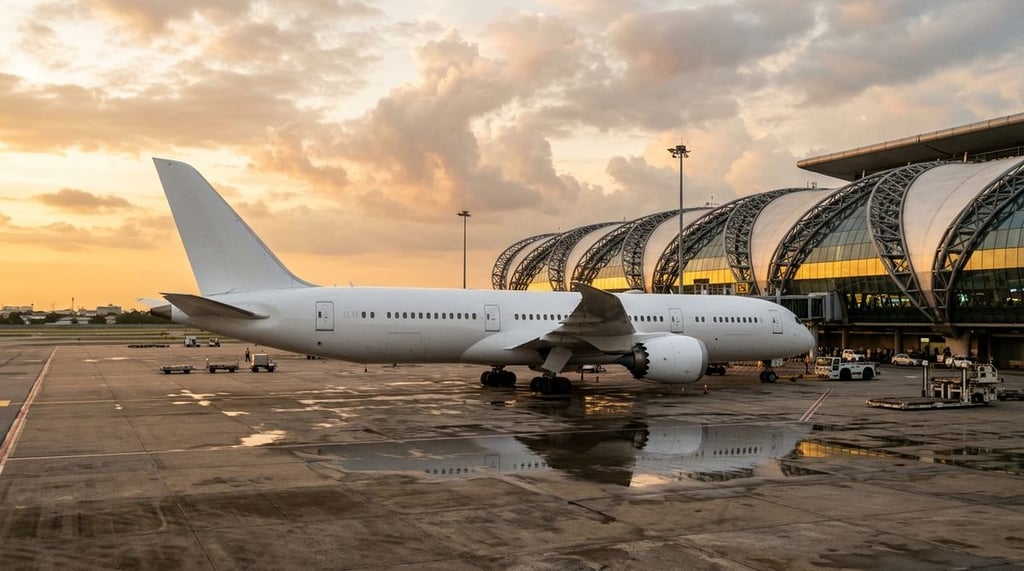
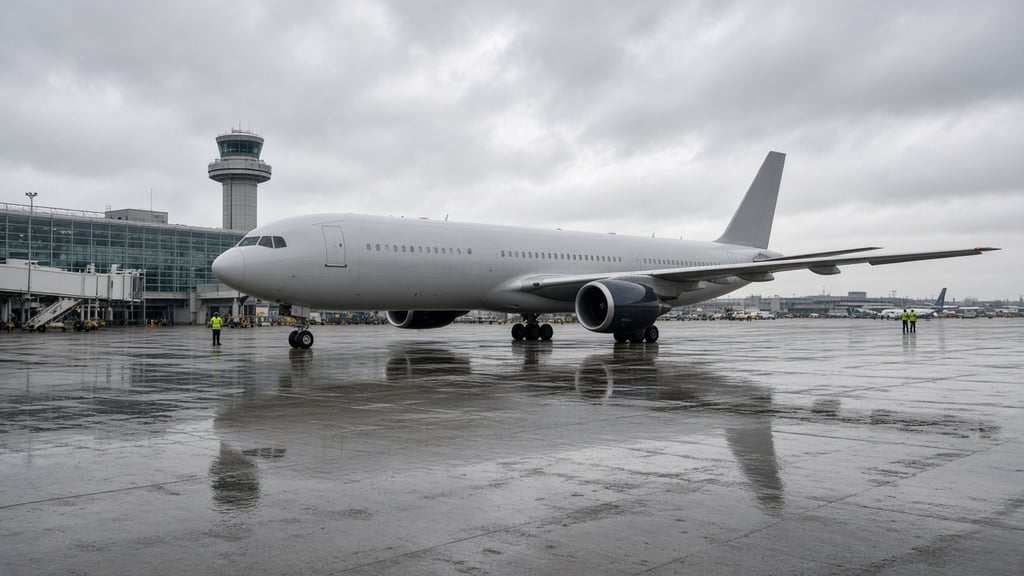
Chiang Mai International Airport counted 144,974 passengers between 23 and 26 November, about 17 percent more than the same Yi Peng window in 2025, with flights up about 22 percent. 23 November was the inbound surge: 36,877 passengers, most of them arriving. 26 November, when visitors headed home, set a daily record since the airport opened: 41,136 passengers on 279 flights, 212 of them domestic and 67 international.
Those loads are why festival hotel rates in Nimmanhaemin, the old city, and along the Ping can feel like another country compared with a midweek in June. Occupancy at 95.61 percent leaves little spare inventory for anyone who booked late. For residents, the same weekend means closed lanes around Tha Phae, slow ride-hailing cars, and a riverbank that is festive until krathong debris has to be pulled out at dawn.
The Other Agenda: Haze Season and the Kok River
The same meeting also ran through disaster preparedness. Chiang Mai is stocking plans, crews, and equipment for forest fires, smoke, and PM2.5, the annual northern air-quality squeeze that usually builds after the cool season. That brief matches a 21 November order from Prime Minister Anutin Charnvirakul directing northern provinces, especially Chiang Mai and Chiang Rai, to enforce burning bans on weeds, forest, and crop residue.
On water, the governor highlighted contamination in the Kok River affecting 11 villages in tambon Tha Ton and tambon Mae Na Wang, Mae Ai district. Provincial officials said residents there draw household water from village tap systems, mountain water schemes, and wells, not from the river itself. The Kok file is a separate public-health story from the lanterns, but it sat on the same table because Chiang Mai is trying to hold a tourism boom and an environmental risk at the same time.
What This Means for Expats and Travelers in Thailand
If you live in Chiang Mai, peak week means higher room rates, thicker traffic, and a short lift for restaurants and drivers. Book domestic flights around Yi Peng with extra airport time. The record 26 November outbound day is a warning, not a one-off.
If you are visiting for the lanterns, treat the old city as a viewing deck, not a launch pad. Legal khom loi releases are in designated districts such as Mae On, Doi Saket, and San Sai, under aviation controls. Float a banana-leaf krathong, not a foam one, and expect the banks between Nawarat Bridge and the Iron Bridge to be packed on the full-moon night.
Haze preparations are already on the provincial calendar, and Mae Ai's Kok River file is a live water-quality story. Check health and water notices if you travel toward the Kok.
Comment verification
Step 1 of 3
Verify your email once to publish your comment. Your email is never shown publicly.
Enter the 6-digit code sent to .
Choose the display name shown next to your comments.