Thai draft Cannabis Act bans recreational use
Thailand's draft Cannabis Act has passed Council of State vetting, banning recreational sales and restricting use strictly to medical and health care.

Thailand's long-debated draft Cannabis Control Act has completed legal examination by the Council of State, marking a decisive regulatory shift away from the open commercial market that followed the plant's 2022 decriminalization. Under the vetted statutory framework, cannabis is explicitly restricted to medical treatments, health applications, patient therapies, and scientific research. Commercial sales for recreational enjoyment and unlicensed leisure consumption are completely outlawed under the primary legislation.
Special Committee 10 of the Council of State concluded its detailed examination of the draft statute after multi-week consultations with senior regulators from the Department of Thai Traditional and Alternative Medicine, the Food and Drug Administration, and the Office of the Narcotics Control Board. The resulting text establishes a comprehensive licensing architecture governing the entire supply chain, closing the legal vacuum that previously forced authorities to rely on interim ministerial notifications.
Comprehensive oversight from cultivation to patient dispensing
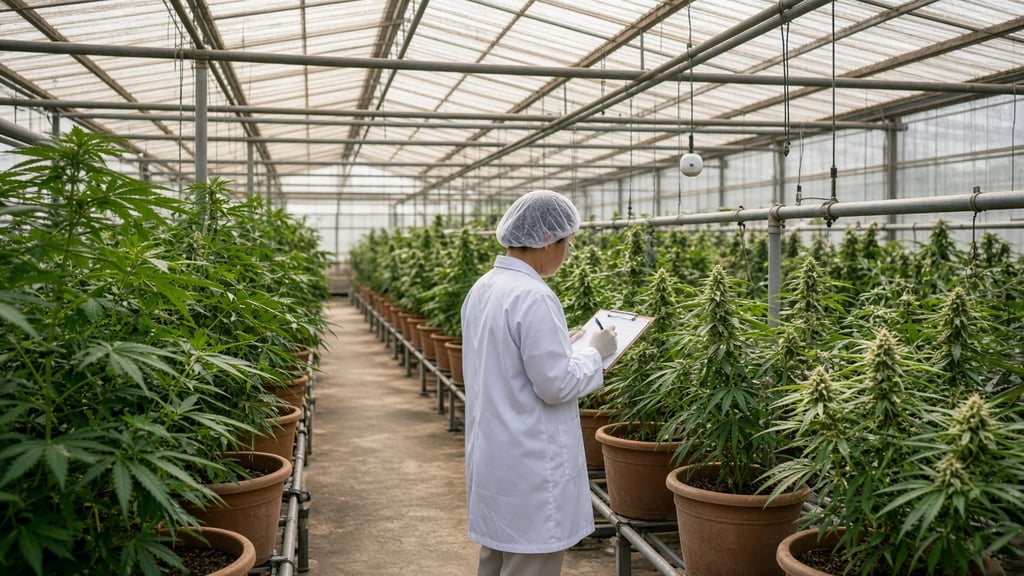
The vetted draft law establishes permanent statutory controls spanning upstream farming, midstream manufacturing, and downstream retail distribution. Commercial growers must secure specialized cultivation licences categorized by plot dimensions, accompanied by strict digital traceability requirements linking batch identifiers to approved agricultural premises. Importing and exporting botanical materials without Cabinet-level authorization remain strictly prohibited, insulating domestic supply chains from illicit foreign flower.
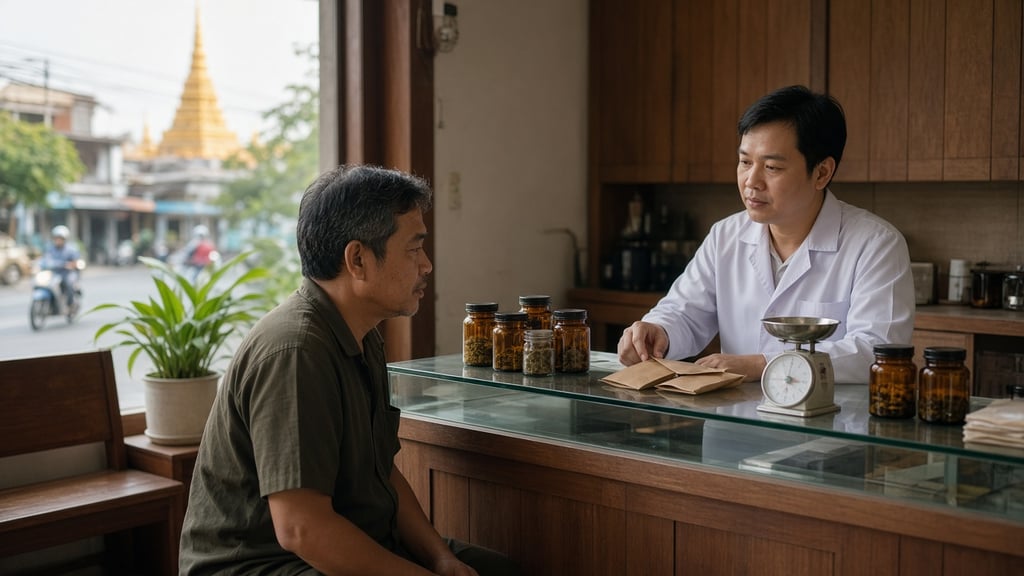
At the consumer level, the legislation eliminates over-the-counter recreational retail. Registered dispensaries will no longer be permitted to operate as casual storefronts or open smoking cafes. Under the statutory terms, all cannabis flower sales must be dispensed under qualified medical guidance, requiring standardized prescription certificates and capped supply durations. Retail outlets that fail to transition into registered health establishments or traditional wellness clinics within statutory adjustment windows will face licence revocation, severe administrative fines, and criminal charges.
What This Means for Expats in Thailand
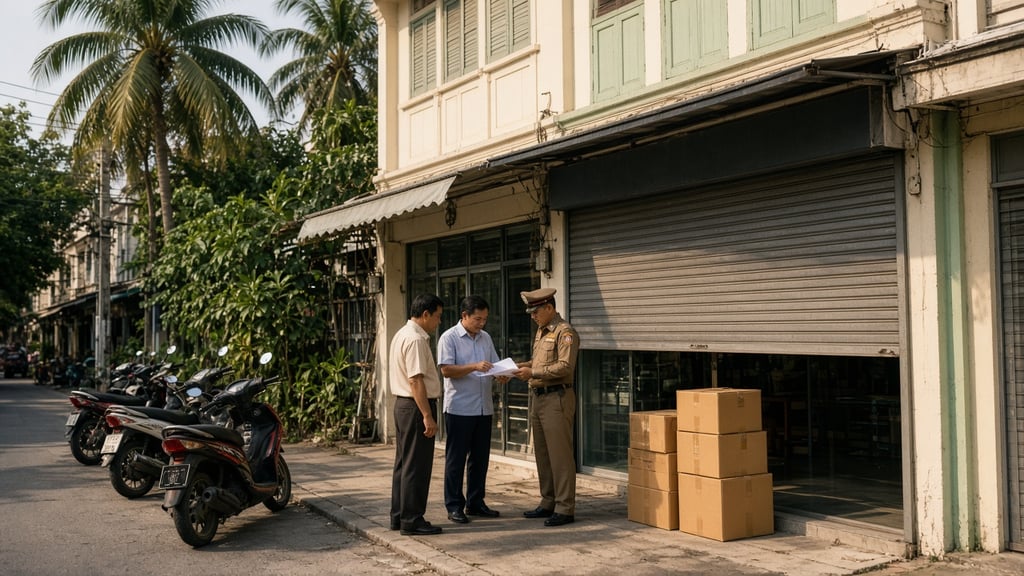
For expatriates living in Thailand and international travelers visiting the country, the Council of State review signals the approaching end of informal retail dispensaries and weed lounges. Once Parliament formally enacts the statute and ministerial regulations take effect, purchasing cannabis buds will require verified medical documentation issued by a licensed doctor or Thai traditional medicine practitioner. Walking into a roadside dispensary for casual personal leisure will no longer be legally permitted.
Foreign residents who rely on cannabis compounds for legitimate chronic health conditions, insomnia, or pain management should prepare to transition their treatment through certified medical clinics or registered pharmacies. Holding recognized prescription records will serve as essential legal protection during routine security audits and local police verifications across municipal areas.
Cross-border warnings remain critical for all international visitors. Transporting cannabis, herbal extracts, or related products into or out of Thailand via commercial airports and land checkpoints remains a severe criminal offense under international aviation treaties and customs law, carrying immediate detention, heavy financial penalties, and deportation.
Comment verification
Step 1 of 3
Verify your email once to publish your comment. Your email is never shown publicly.
Enter the 6-digit code sent to .
Choose the display name shown next to your comments.