SCB EIC lifts Thai 2026 GDP outlook to 2.6%
SCB EIC raises 2026 growth to 2.6% and 2027 to 2.4% on electronics and digital investment, while a K-shaped recovery leaves SMEs and households behind.

Siam Commercial Bank's Economic Intelligence Center raised its 2026 GDP forecast to 2.6 percent, from 2.2 percent, and lifted 2027 to 2.4 percent from 2.1 percent. The 2027 forecast moved to 2.4 percent from 2.1 percent on the same electronics and digital investment story. The November monthly insight also credits NESDC's restated first-half accounts. The upgrade is real on a spreadsheet. It is not a high-street boom.
EIC still describes a K-shaped recovery: large foreign-owned electronics plants on one arm, SMEs and households on the other. High import content in the electronics chain means fewer Thai jobs per baht of approved FDI. EIC warned of a K-shaped recovery, with large foreign-owned electronics firms, high import content, and few new Thai jobs. SMEs, household debt, and weak consumption sit on the other side of the K.
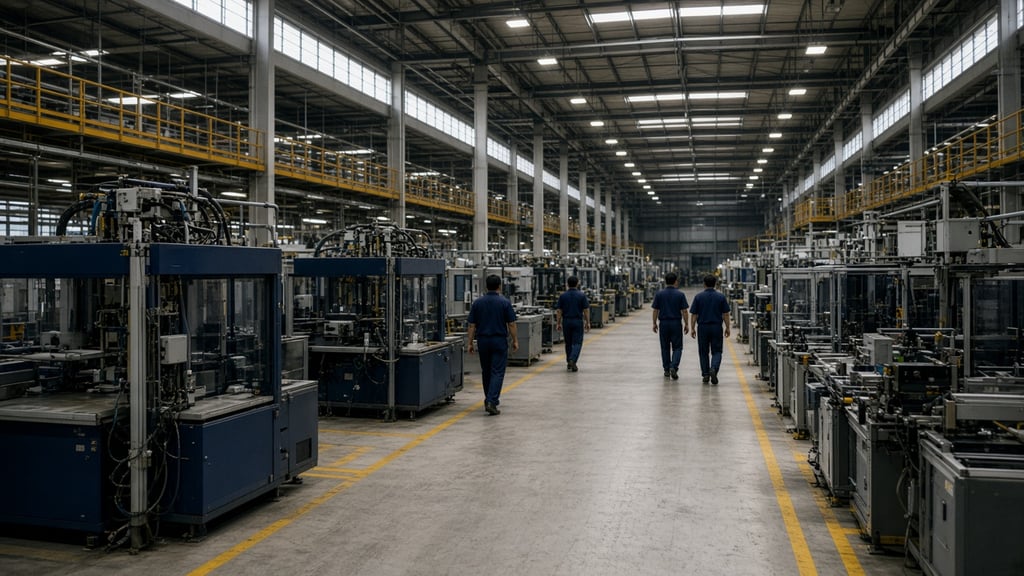
Third-quarter GDP printed 2.9 percent, with private investment up 16.2 percent for a sixth straight quarter. Private investment has now expanded 16.2 percent across six consecutive quarters. Board of Investment applications reached 1.7 trillion baht in the first nine months, up 28 percent from a year earlier. Data-centre and digital projects sit inside the same investment upgrade as electronics. Foreign plants assembling chips, servers, and power electronics for the global AI cycle are the visible engine. They pull in capital goods and parts, then ship finished kit on a thin local payroll, so imports jump even as the headline GDP rate improves.
A stronger print, a split recovery
NESDC rebuilt the Manufacturing Production Index and restated first-quarter growth to 3.1 percent and second-quarter growth to 2.4 percent, lifting the nine-month pace. EIC folded those revisions into its new path. A restated factory index does not, on its own, refill a shop till in Udon Thani. Low-income households are still running short of monthly bills, business closures remain elevated, and SME credit has been the soft side of an otherwise recovering loan book, a point the Bank of Thailand also flagged when it held the policy rate at 1.00 percent on 28 October.
Headline inflation is seen at 2.1 percent in 2026 and 1.6 percent in 2027. Headline inflation is seen at 2.1 percent in 2026, then 1.6 percent in 2027, after energy prices and late-third-quarter floods pushed food costs higher. Tourism is slower, pressured by higher costs and safety concerns among Chinese visitors. Tourism has lagged, with higher travel costs and lingering safety worries among Chinese visitors. That still matters more for hotels, taxis, and informal work than any data hall will.
How the forecast compares
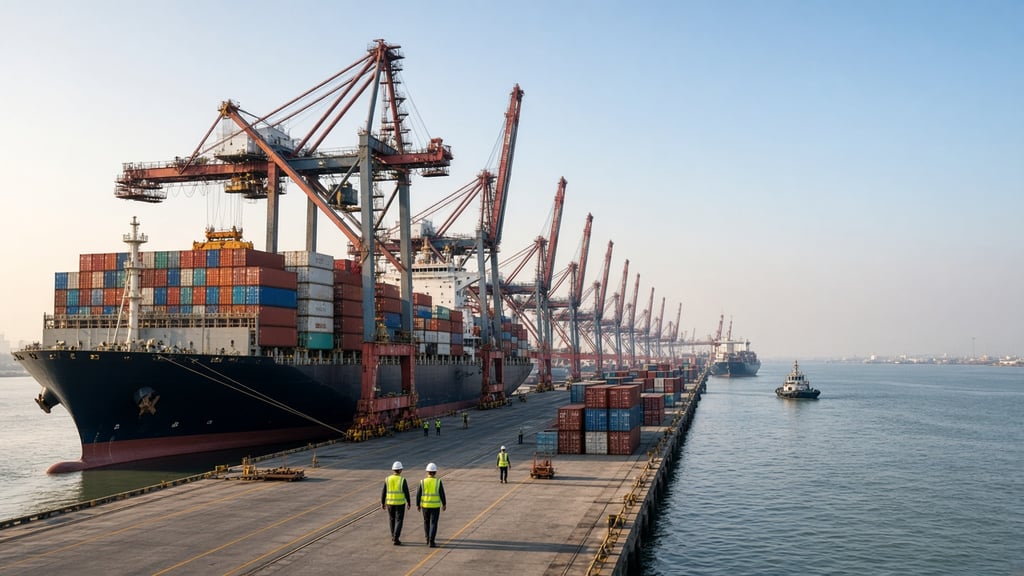
NESDC's full-year 2026 outlook is 2.5 percent. The Bank of Thailand's October forecast was 2.4 percent for 2026 and 2.1 percent for 2027. EIC now sits a tenth of a point above the planning agency for this year and three tenths above the central bank for next year. NESDC still pencils 2027 in a 2.0 to 3.0 percent band with a 2.5 percent midpoint, assuming public investment, a tourism rebound, and 8.6 percent growth in dollar export value. EIC is more cautious on how much of that tourism and consumption rebound actually arrives.
Siam Commercial Bank, founded in 1907 as Thailand's first commercial bank and now the listed core of SCBX, is not the official scorekeeper. Its Economic Intelligence Center is a widely read private desk. Wikipedia's country page still frames Thailand as an export-heavy, upper-middle-income economy. Electronics already sit among the main export groups. The November note argues that AI-linked plants are rewriting that old mix, not that the neighbourhood has joined the boom.
2027 risks and a frozen policy rate
EIC still has 2027 slower than 2026 even after the upgrade. Remaining disbursements under the 400-billion-baht emergency borrowing decree and energy-price relief can cushion the print. Fiscal room is tightening: NESDC put public debt at 13.4 trillion baht, or 68.6 percent of GDP, at the end of September, and EIC says the 2027 budget envelope is not growing. Risks include US tariff and excess-capacity talks, Middle East energy shocks, and a Super El Nino. Listed risks include US tariff talks, Middle East energy, and a Super El Nino, plus pressure to open more of the Thai market to American goods. A Super El Nino would hit farms, water-hungry industry, outdoor construction, and tourism in the same season.
The policy rate is expected to stay at 1 percent through 2027. The policy rate is expected to remain at 1 percent through 2027. EIC argues that a low policy rate can support the aggregate, but it is a blunt tool for indebted households and SMEs that still cannot roll credit. Targeted debt relief and SME lending windows, in this view, do more of the social work than another cut.
What This Means for Expats and Travelers in Thailand
Do not read 2.6 percent as a green light for easier rents, cheaper meals, or a suddenly loose job market outside electronics parks. The baht and imported goods still move with energy prices and global rates. A 1 percent policy rate is already in the system; EIC does not see a fresh easing cycle that would cheapen mortgages or overdrafts in 2027. Households that already carry heavy debt should not expect a broad refinance wave just because the GDP forecast ticked up.
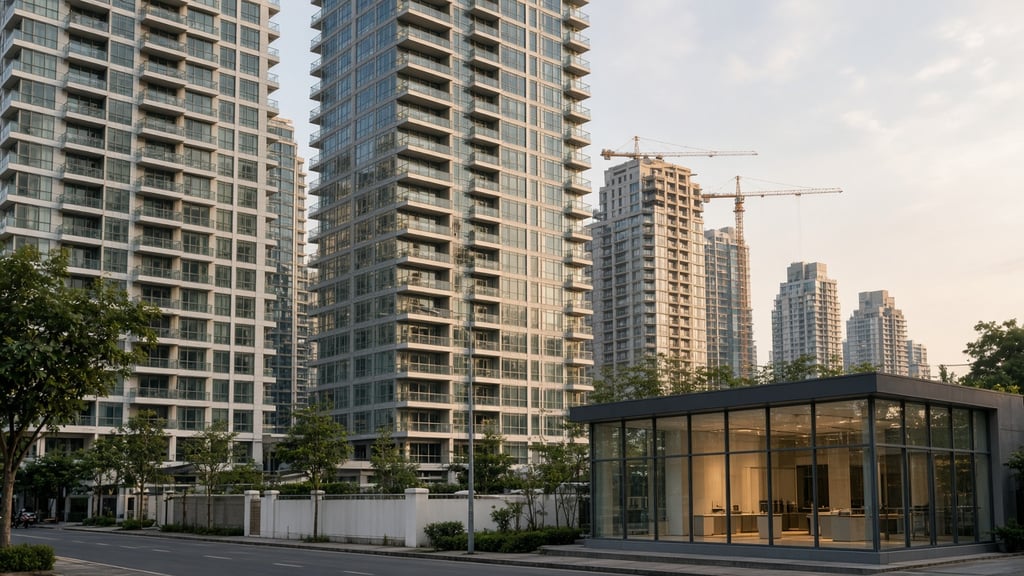
If you work in tourism, education, or small services, plan on a slower Chinese recovery and higher operating costs rather than a 2026 boom. If you hire locally, plants linked to export electronics and digital infrastructure are taking specialist skills, while many SMEs are not. Investors watching BOI pipelines should separate the construction of halls and substations from lasting Thai value added. The halls can lift GDP without lifting the neighbourhood.
Comment verification
Step 1 of 3
Verify your email once to publish your comment. Your email is never shown publicly.
Enter the 6-digit code sent to .
Choose the display name shown next to your comments.