Thailand weighs deportation for foreigners who import toxic waste
The e-waste committee is reviewing deportation for foreign nationals who illegally import toxic waste, plus tighter scrap-metal rules aimed at Cabinet in December, after factory and port raids across the east.
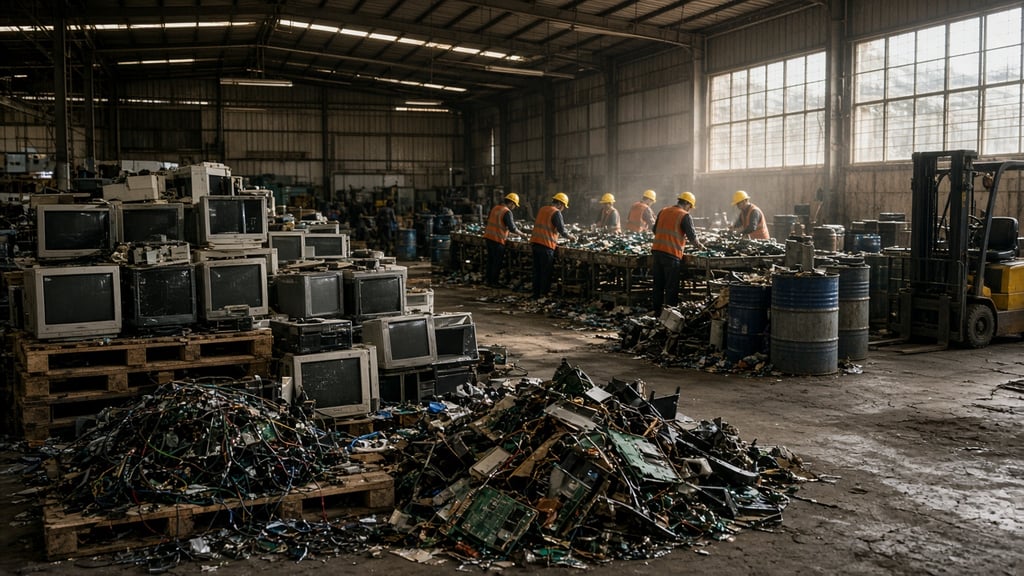
Thailand's electronic-waste committee is treating illegal toxic-waste imports as an immigration file, not only a factory inspection. Officials put deportation on the list of tougher penalties under review for foreign nationals who bring hazardous or electronic waste into the country. The scrap-metal package is aimed at Cabinet in December 2026.
Deputy government spokesperson Lalida Persvivatana briefed the outcome on 12 November, after Deputy Prime Minister and Commerce Minister Suphajee Suthumpun chaired the session. The Government House readout says criminal cases should run in parallel with immigration action against non-Thai offenders, once ministries spell out who holds the power. That is a proposal, not a deportation order signed the same morning.
Factory raids and an ugly scorecard
The Industry Ministry has put 50 joint teams from the Department of Industrial Works and provincial offices into category 105 and 106 waste and recycling plants. Of 3,049 registered targets, 752 had been inspected. Factory Act breaches turned up at 375 sites. Inspectors issued 470 administrative orders, mostly to fix defects. Eight plants were ordered to halt. One licence was revoked after a serious breach of a stop-work order. Agencies were told to publish offence types and outcomes clearly.
Ports and the eastern dump map
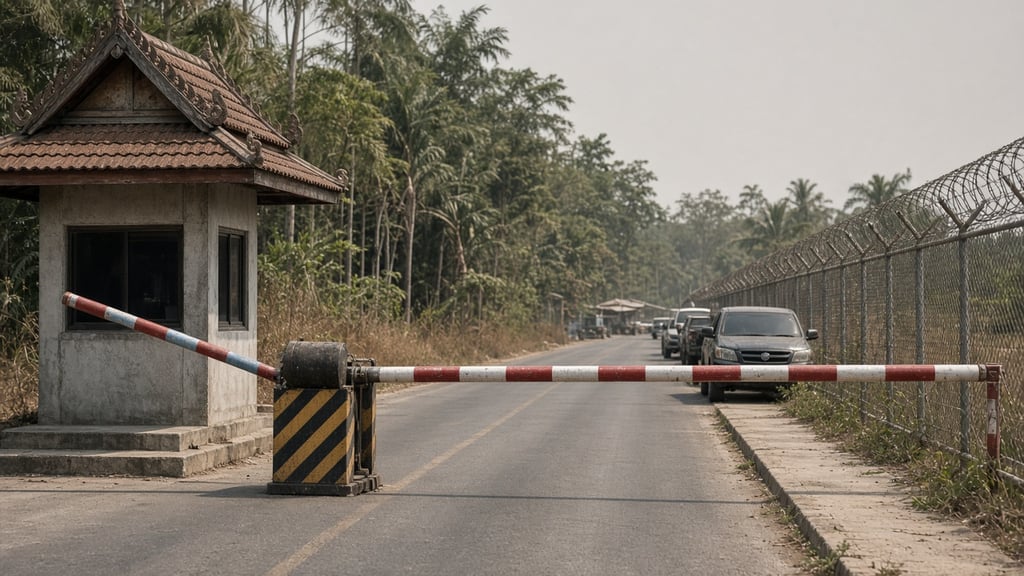
Thai Customs reported 89 illegally imported containers, about 1.9 million kilograms, seized between 1 October and 9 November 2026. Officers are working with Industrial Works and the Pollution Control Department on false declarations, electronic waste hidden inside metal scrap, and tariff codes flipped to dodge inspection. From 1 November to 9 November, Laem Chabang customs pulled 43 containers weighing 985,884 kilograms. New comparison-settlement rules from 4 November set a 500,000 baht fine when importers dodge a legal ban, plus return of the cargo at the offender's cost.
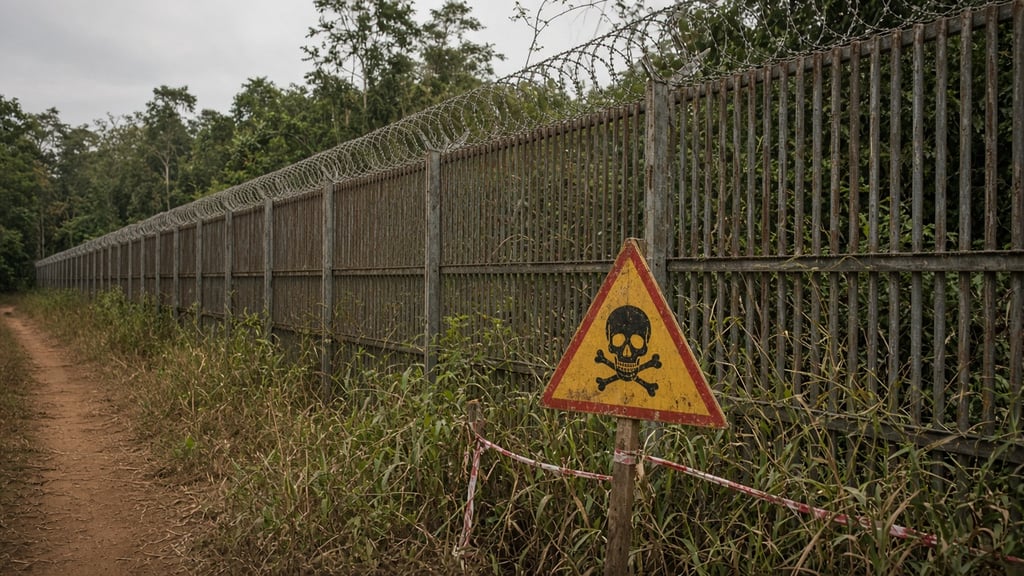
PCD and a Natural Resources special team have walked seven eastern complaint files: illegal dumps, suspect warehouses, and unlicensed plants. Tallies for 2025-2026 list more than 40 illegal dumping and burial points in Rayong, Chon Buri, Chachoengsao, and Prachin Buri, holding over 100,000 tonnes of industrial and electronic waste. Many sit on provincial borders, including ground that touches Sa Kaeo. Interior has been told to pull governors, district chiefs, and village heads into the hunt for sites that were never on the register.
The scrap-metal loophole
PCD, Thailand's Basel Convention focal point, told the committee to tighten scrap-metal imports without banning them outright. Importers would declare how contaminated the scrap is, why it is coming in, and which licensed factory will take it. Iron, aluminium, and copper scrap are the three streams, with contamination limits, origin certificates, and joint inspections by Customs, Industrial Works, and PCD. The Natural Resources and Environment Ministry assigned PCD to write that control paper.
A working group co-chaired by the directors-general of Customs and Foreign Trade must bring a proposal back in the fourth week of November 2026, then to the National Environment Board and Cabinet, with December as the target. The legal track is tied to a polluter-pays draft and a fund that restores contaminated ground and compensates nearby communities. The committee will report progress to the prime minister every 15 days.
Deportation is the new word. The machinery is older.
Deportation for this offence is still a proposal, not a signed rule. A Prime Minister's Office regulation on deportation, B.E. 2569, took effect on 28 August 2026. It already covers offences that carry a prison term of three years or more. Customs Act section 244 already allows up to ten years in prison, or a fine of up to 500,000 baht, or both. A conviction in that range can already feed the August deportation process.
The Basel Convention, in force since 1992 and now counting 191 parties, was written to slow hazardous-waste shipments from richer countries toward poorer ones. Thailand banned e-waste imports in 2020. The United States has signed but not ratified the treaty, which is one reason scrap labelled as recyclable metal keeps showing up in Thai ports.
What This Means for Expats and Travelers in Thailand
Ordinary visa holders, retirees, teachers, and holidaymakers are not the target. The deportation language is aimed at foreign nationals who import toxic or electronic waste, hide it in scrap, or run the Thai end of that trade. Do not assume a retirement visa is a shield if you are a director of a recycling company that just failed a factory inspection.
If you own, invest in, or work at a scrap or recycling plant, treat this month as a compliance window. Category 105 and 106 licences are being checked now. Cheap containers declared as mixed metal are a legal risk, not a bargain. Ask your broker for origin papers and a contamination sheet before the cargo docks.
If you live in Rayong, Chon Buri, Chachoengsao, or Prachin Buri, the practical issue is still the dump down the soi. Report night dumping to PCD (hotline 1650) or the municipality from the public road. Travelers using Laem Chabang, Pattaya, or U-Tapao do not need to change holiday plans. They should still read any business they invest in.
Comment verification
Step 1 of 3
Verify your email once to publish your comment. Your email is never shown publicly.
Enter the 6-digit code sent to .
Choose the display name shown next to your comments.