Bangkok's Air Quality Alert: Understanding PM2.5 Impact and Precautions
Picture a bustling metropolis shrouded in a thick cloak of haze. This was Bangkok on Friday morning, as the entire city grappled with air quality levels that brought a new twist to the traffic-choked daily grind.…
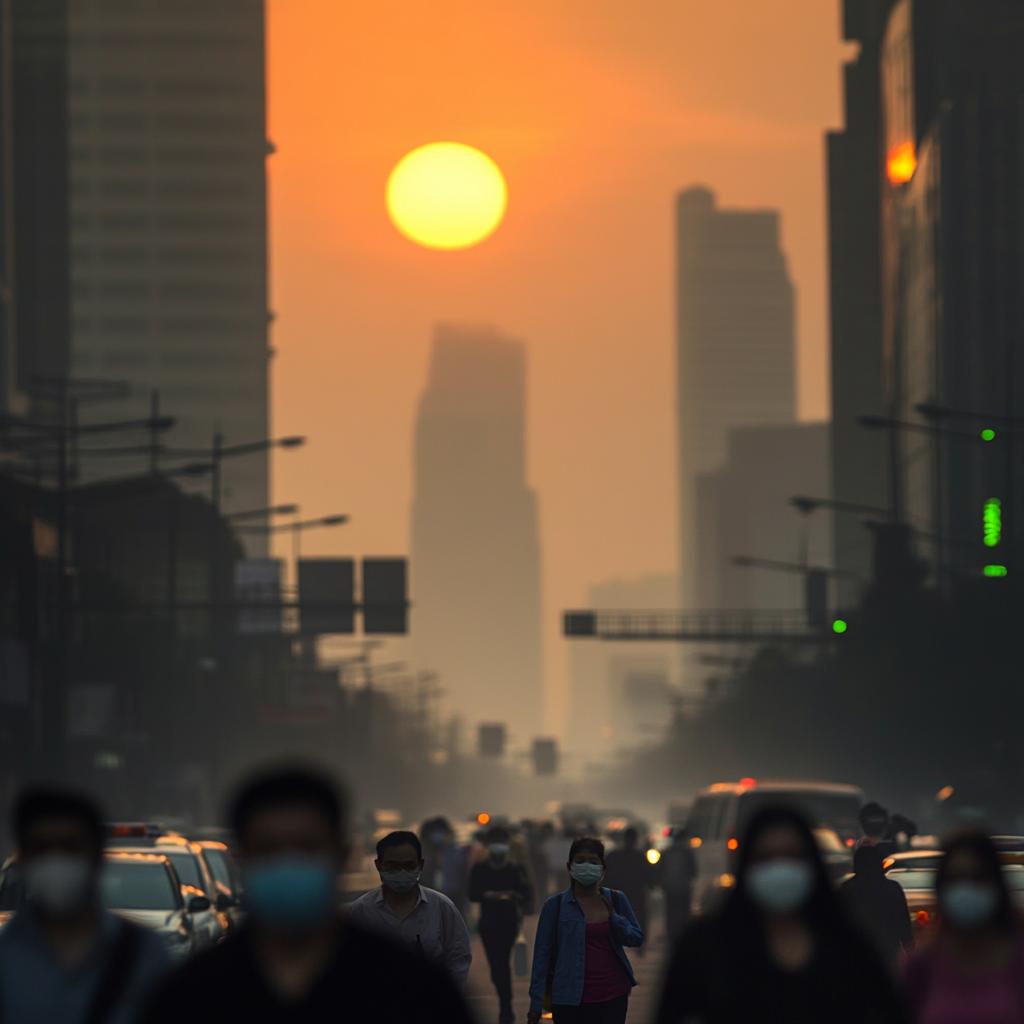
Picture a bustling metropolis shrouded in a thick cloak of haze. This was Bangkok on Friday morning, as the entire city grappled with air quality levels that brought a new twist to the traffic-choked daily grind. According to the vigilant monitoring efforts of the Air Quality Information Centre of the Bangkok Metropolitan Administration (BMA), all 50 districts of this vibrant city found themselves somewhere between the "yellow" to "orange" zones. In non-jargon terms, this meant the atmosphere ranged from moderately acceptable to entering the realm where health might start to feel the strain.
As the sun poked its way through the smog on this particular morning, the average concentration of PM2.5 particles—a fine dust notorious for slipping into your lungs and blood to wreak health havoc—was captured at 35.5 micrograms per cubic meter (µg/m³). For those keeping score, that’s just a hair below the country's three-hour average standard of 37.5 µg/m³. Comparatively, yesterday’s serenader of smog spun a less alarming melody at 22.9 µg/m³.
To clarify, PM2.5 particles are minute supervillains measuring 2.5 micrometres or less in diameter. Unlike their larger particulate cousins, they have a knack for getting deep down into respiratory and circulatory systems, driving up the risk of chronic ailments like respiratory and cardiovascular diseases. Think of them as uninvited guests at the party your lungs were hosting, mingling and triggering unwelcome reactions.
Among the usual suspects contributing to this atmospheric cocktail are vehicle emissions , industrious factories, rogue forest fires, and even the traditional practice of burning off leftover crops. Fields may get cleared, but so does the prospect of a good air day.
As for Friday’s top five PM2.5 hotspots, the "who's who" of harmful air started with Nong Khaem taking a dubious lead at 50.5 µg/m³, closely followed by Bang Na at 49.9 µg/m³, Bang Khun Thian at 48.3 µg/m³, Wang Thonglang with 42.4 µg/m³, and Khlong Sam Wa topping broader calculations at 41.9 µg/m³. Commiserations to these districts for their unwanted accolades.
Under such conditions, the BMA had a playbook of precautions for its citizens. Don a facemask of quality material, schedule your outdoor adventures for another less hazy day, and tap into that work-from-home flexibility where possible. Meanwhile, if you find yourself gasping, coughing, rubbing your irritated eyes, or generally struggling for breath, making the acquaintance of a medical professional might be prudent.
For the air quality enthusiasts among us, rest assured that keeping tabs on these numbers is easier than ever. Daily updates breezily find their way through the AirBKK application, the informative portal at www.airbkk.com, Line Alert, and the vibrant Facebook presence of the BMA's Environment Department. Whether you’re a Bangkok local or someone planning to visit, staying informed is your best defense in this urban battle against the elements.



Comment verification
Step 1 of 3
Verify your email once to publish your comment. Your email is never shown publicly.
Enter the 6-digit code sent to .
Choose the display name shown next to your comments.