Bangkok's Sukhumvit 11 Condo Controversy: Navigating the Short-Term Rental Debate
In the bustling heart of Bangkok's Sukhumvit 11, a condominium has become the center of a heated debate that draws attention to the strengths and weaknesses of local law enforcement. The issue at hand? Reports suggest…
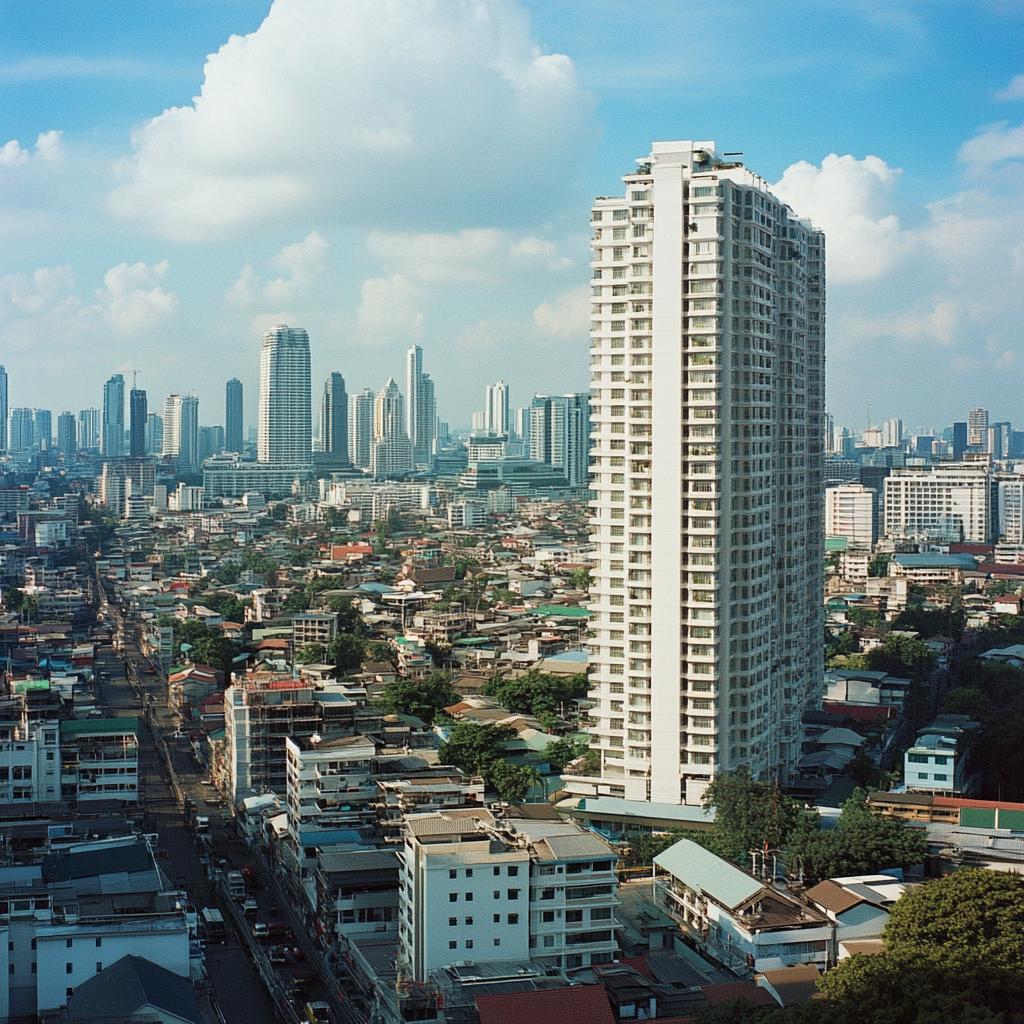
In the bustling heart of Bangkok's Sukhumvit 11, a condominium has become the center of a heated debate that draws attention to the strengths and weaknesses of local law enforcement. The issue at hand? Reports suggest that nearly half of the condominium's 450 units are rented out daily through popular online platforms like Booking.com and Airbnb. This revelation has raised eyebrows, as it hints at the laxity of regulations governing short-term rentals in Thailand.
It all began with a foreign resident, who also owns a unit in the condo, blowing the whistle on the situation. According to them, more than 250 units are regularly being booked for daily stays, much to the chagrin of long-term residents who have had to contend with disturbances and safety concerns. The Bangkok Metropolitan Administration (BMA), keeping a vigilant eye, inspected the premises and affirmed the presence of daily rental activities. This prompted the Wattana district office to escalate the matter by sending a pressing letter to the condominium's juristic entity, urging them to identify and report owners potentially breaching the law.
The crux of the problem lies within the scope of the 1979 Building Control Act, the 1992 Public Health Act, and the 2004 Hotel Act, all of which impose certain legal limitations on daily leasing practices. Despite these statutes, no definitive legal action has been undertaken, leaving room for speculation about enforcement efficiency.
The dynamics of this controversy took an intriguing turn when it was suggested that a seemingly entrepreneurial Taiwanese national, who resides in and chairs the condo's board since mid-2022, might be at the core of these operations. On the ground, signs prohibiting daily rentals have mysteriously vanished, and dedicated areas for daily check-ins and luggage storage have popped up, indicating an organized operation. Meanwhile, a steady stream of housekeepers armed with cleaning supplies and linens suggests a thriving, albeit clandestine, business model.
This model involves agents leasing multiple units long-term, then turning a profit by subletting them for short stays. Alarmingly, some owners might be oblivious to the illicit usage of their units. Curiously, it's rumored that the condo’s original developer, with a vested interest represented on the board, knowingly leased 40 condos to the agent powering these operations.
Amidst all this, a significant shuffle occurred last month when the condo's juristic person was transitioned to a management arm of a major firm listed on the Stock Exchange of Thailand (SET). Despite repeated complaints lodged by locals, building management has remained largely unresponsive, citing rules without taking concrete action, much to the dismay of those who call this high-rise home.
In 2024, data from Thailand's Interior Ministry revealed the existence of 15,984 officially registered hotels with a staggering 677,493 rooms. The Secretary General of the Thai Hotels Association (THA), Patcha Techaruvichit, delivered insights into this sprawling issue. With areas like Pratunam Market being hotspots for Chinese tourists, Bangkok is no stranger to the phenomenon of converting condos into quasi-hotels. Many of these operate outside the legal purview, highlighting enforcement lapses.
Patcha issued a word of caution, drawing attention to the nuanced global discourse on legalizing such accommodations. She underlined the essential consideration of safety standards—a matter of public interest—stating that despite regulatory challenges, most regions in Thailand are not suffering from a shortage of legitimate hotel rooms.
This ongoing saga raises pivotal questions about regulatory frameworks and their implications on urban living in Bangkok, a city where tradition and modernity constantly collide. While authorities deliberate on the fine line between innovation and illegality, residents of Sukhumvit 11 eagerly await resolution in a narrative that's as engaging as it is complex.



Comment verification
Step 1 of 3
Verify your email once to publish your comment. Your email is never shown publicly.
Enter the 6-digit code sent to .
Choose the display name shown next to your comments.