Bi-2 Band's Bangkok Detention Sparks Global Outcry: A Daring Stand Against Putin and a Quest for Freedom
In an twist that seems ripped straight from a rock and roll thriller, the Russian-Belarusian sensation Bi-2 found their tour taking an unexpected detour into a Bangkok detention center, embroiled in an international…
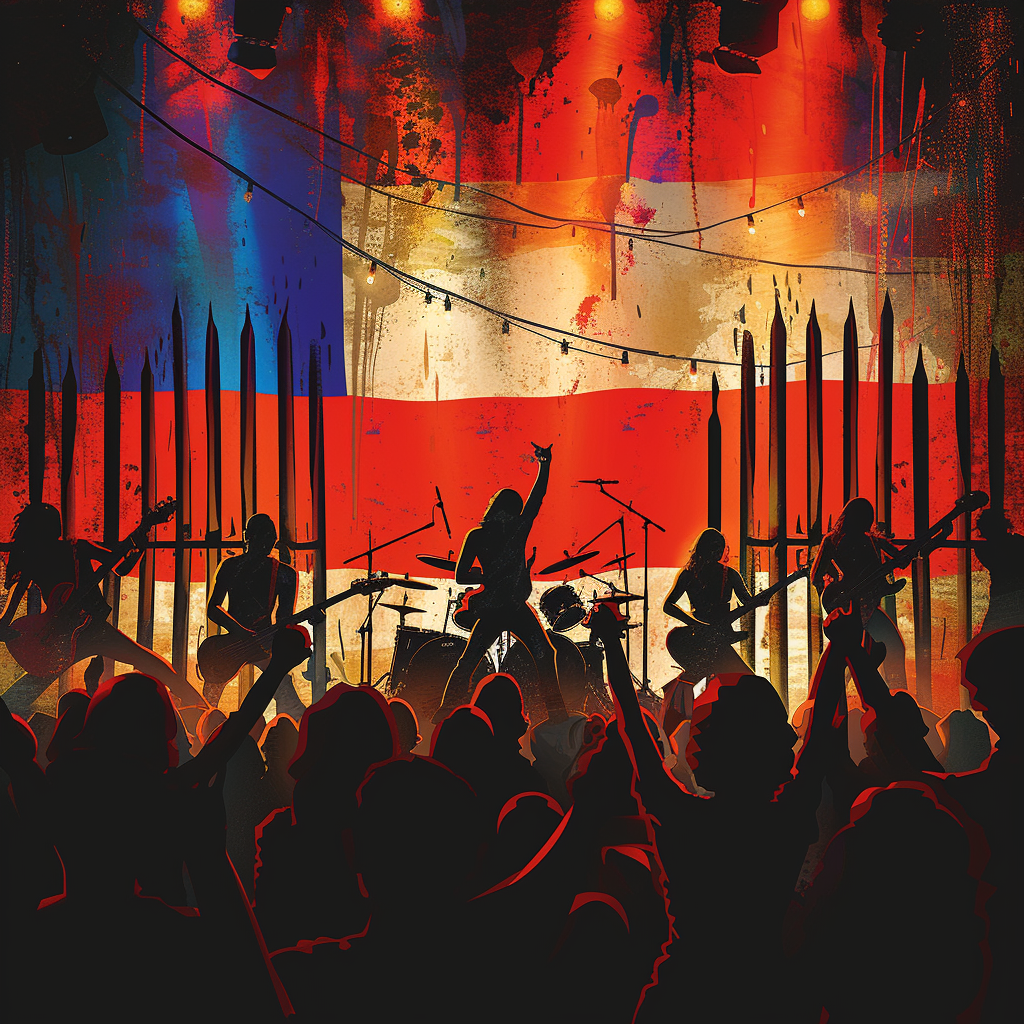
In an twist that seems ripped straight from a rock and roll thriller, the Russian-Belarusian sensation Bi-2 found their tour taking an unexpected detour into a Bangkok detention center, embroiled in an international drama that’s got everyone from fans to human rights activists on the edge of their seats. Picture this: a band known for their electrifying performances and unapologetic political stances gets snagged by the authorities in the sultry heat of Phuket, Thailand, setting the stage for a showdown that’s as much about rock music as it is about geopolitical tensions.
The plot thickens with the band’s vocal opposition to none other than Vladimir Putin and his policies, particularly the contentious involvement in Ukraine. This rock rebellion, however, hit a snag post-Phuket performance, igniting a firestorm of international outcry against the looming shadow of deportation back to Russia. Tweets flew and statements blasted as Human Rights Watch waved red flags about the dangers awaiting the band should they be sent packing back to Russian soil.
In a cinematic twist, Egor Bortnik, the charismatic frontman known to fans as Lyova, pulls a daring escape to Israel, leaving his bandmates in a predicament straight out of a rock ballad – cramped in a cell, their fate hanging in a delicate balance. Meanwhile, Thai officials, with a shrug, acknowledged the roundup of the band for the crime of rocking out without the proper paperwork, with whispers of deportation lingering in the air.
Social media buzzed as Phil Robertson from Human Rights Watch put it succinctly, urging Thailand to keep the band from the clutches of a Russian government itching to silence their dissenting tunes. Amidst the uproar, allegations swirled of the Russian consulate playing the villain’s role, reportedly pressuring to mute the band's voices since the chilly days of December.
The plot thickened as VPI Event, the orchestrators behind the ill-fated concert, stepped into the limelight, claiming innocence and bureaucratic blunders. Despite their best efforts, the narrative of securing freedom for the artists was fraught with obstacles, legal tangles, and the specter of political pressure. Yet, hope flickers in the gloom, with the band’s global following and dual nationals among them lending an international dimension to their saga.
As the band’s story unfolds, crossing borders both geographic and ideological, their defiant stand against the war in Ukraine resounds louder, echoing their canceled concerts and their exodus from Russia. Their music, a blend of rebellion and poignancy, has struck a chord far beyond concert halls, becoming an anthem for dissent.
Human Rights Watch’s Elaine Pearson threw down the gauntlet, calling for the band’s release and highlighting the peril of silencing voices through deportation. This rock odyssey, underscored by defiance, music, and a clash with authoritarianism, continues to captivate and stir the souls of music lovers and freedom fighters alike, a reminder of the power of art to challenge, inspire, and, perhaps, to free.



Comment verification
Step 1 of 3
Verify your email once to publish your comment. Your email is never shown publicly.
Enter the 6-digit code sent to .
Choose the display name shown next to your comments.