Chachoengsao Battery Waste Raid Nets 168 Tonnes
Two battery-waste operators in Bang Pakong, Chachoengsao, face Factory Act and hazardous-substance charges after inspectors found 168 tonnes of hidden lithium-battery parts and a 10,000-tonne stockpile.
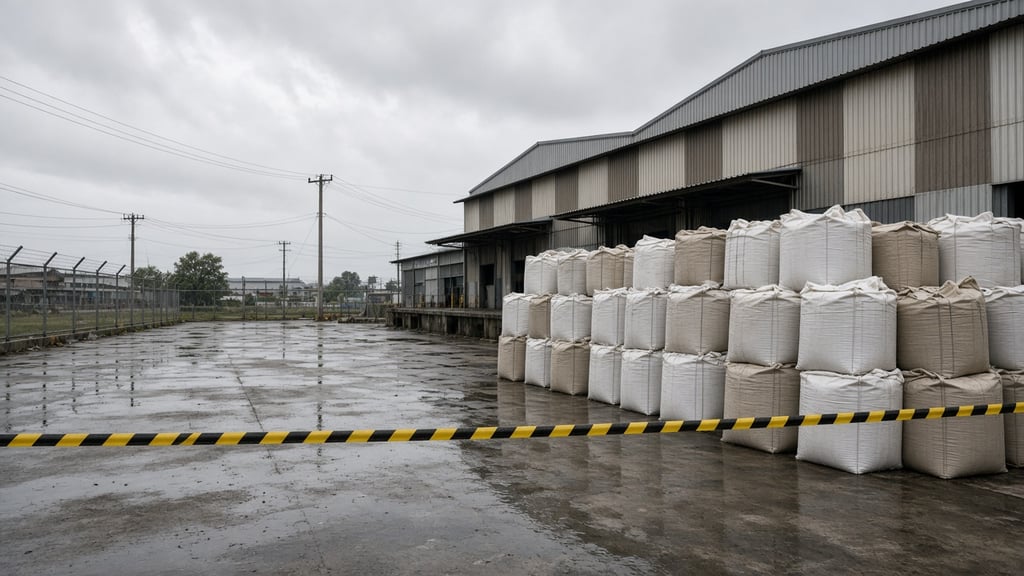
Thailand's Ministry of Industry is preparing Factory Act and Hazardous Substance Act Type 3 charges against two battery-waste operators in Bang Pakong, Chachoengsao, after inspectors found about 168 tonnes of hidden lithium-battery parts in a customs-free-zone warehouse and a far larger unlicensed stockpile in the same industrial park.
The 25 November 2026 follow-up, run by the Chachoengsao Provincial Industry Office with Chachoengsao Customs, recovered 400 sacks, 168.85 tonnes of hidden lithium-battery parts inside a building at the Wyncoast (Wyncost) customs-free zone in Tha Kham, Bang Pakong. The shed had no customs authorization for that cargo. A Plus Battery & Tire (Thailand) claimed ownership. Samples went to a government laboratory. If tests confirm Type 3 hazardous substances, officials say they will file the strongest available charges at once and force polluter-pays disposal without waiting for court.
Two plants, one managing director
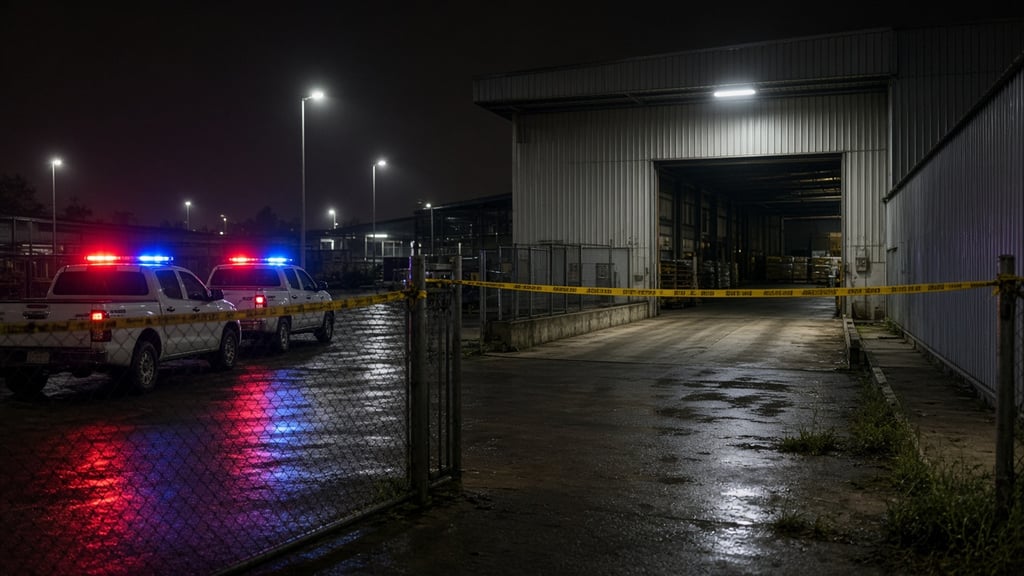
The hidden sacks were a second strike. On 5 November, a ministry task force entered rented buildings at an industrial park inside the same free zone, under the Chachoengsao Customs service area in Tha Kham, Bang Pakong, Chachoengsao.
Inspectors reported about 10,000 tonnes of battery materials in rented buildings used by A Plus Battery & Tire (Thailand), including cells, modules, graphite, and copper and aluminium coated with graphite. A finer inventory from the same raid listed 500 kilograms of cells, about 270 modules, about 20 standing battery packs, black powder stored across four warehouses, and another 55 tonnes of lithium batteries.
A neighbouring building was rented by Green Smart Power. The companies share a managing director. Green Smart Power holds a type 74(5) licence to make batteries, yet officers found unlicensed 764-hp used-battery machinery installed to turn discarded packs into feedstock for other factories, work that falls under type 106 recycling. They halted the line under the Factory Act, sealed the 764-horsepower equipment, and opened a criminal file for setting up and operating a factory without a licence.
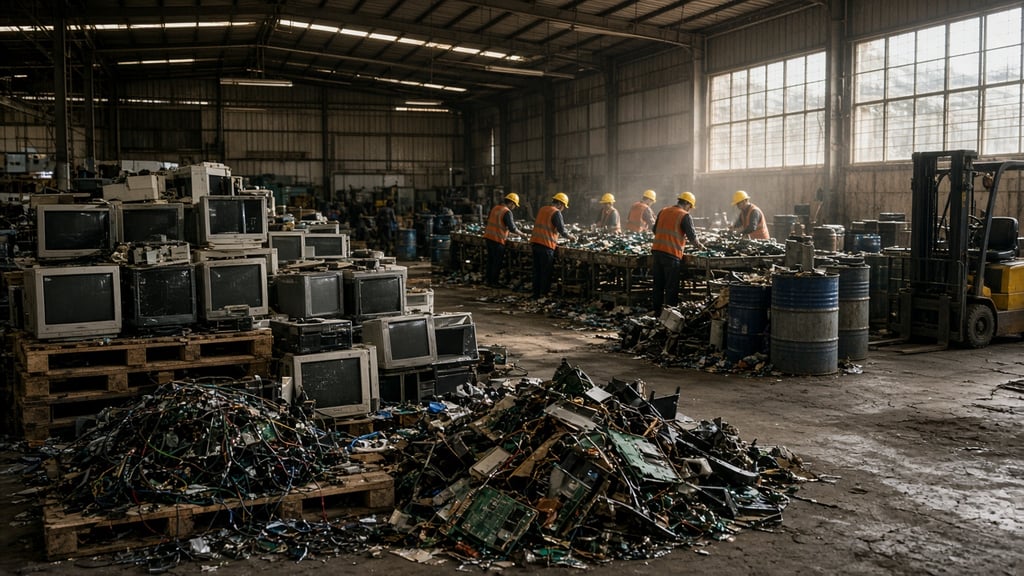
A Plus is listed as a type 106 operator that dismantles electronics and collects lithium batteries without processing them. Officials seized the stockpile under the Factory Act and the Hazardous Substance Act and set an origin-document deadline of 30 November 2026 for proof of where the cargo was bought and sold.
Charges, cash trails, and a draft waste law
Permanent Secretary Passakorn Chairat led a 27 November site visit on orders from Industry Minister Varawut Silpa-archa, with Department of Industrial Works officers and Chachoengsao Governor Montasit Phaisalthanawat.
The Factory Act of 1992 treats a premises with machinery of five horsepower or more as a factory and requires a licence before a recycling line can run. The Hazardous Substance Act of 1992 covers Type 3 hazardous goods that may be possessed only with permission. Sections 52, 52/1, and 55 let officials order a suspect to pay for scientific disposal if tests show a public-health risk, rather than leave thousands of tonnes sitting through years of litigation.
The ministry is also working with the Anti-Money Laundering Office (AMLO) to trace payments behind the stockpile and is pushing a draft Industrial Waste Management Act that would raise penalties and treat illegal industrial-waste handling as a predicate offence for asset seizure. Plants that ignore administrative orders can be shut for good.
An eastern corridor problem, not a one-off shed
Chachoengsao is one of three core Eastern Economic Corridor provinces, with Chonburi and Rayong. After China barred foreign e-waste in 2018, recycling plants clustered in the province even as Bangkok banned those imports. Bang Pakong district is a dense belt of estates along the Bang Na-Trat highway and the Bang Pakong River, a few kilometres from communities in Tha Kham.
The raid sits inside a national sweep of type 105/106 inspections covering waste-sorting, landfill, and recycling plants. By 27 November the ministry had found 538 breaches among 1,014 inspected sites, about 53 percent of the 3,049 plants targeted, and had issued 599 administrative orders. Chonburi, Pathum Thani, Rayong, and Chachoengsao, the eastern corridor pressure points, had asked for extra teams. A separate Chachoengsao case already produced a licence revocation and an environmental bill above 1.77 billion baht, a sign the province is now a test bed for polluter-pays enforcement.
What This Means for Expats and Travelers in Thailand
Residents along the Bang Na-Trat corridor toward Pattaya, Si Racha, and Rayong live closer to this industry than the map suggests. Lithium-battery scrap can burn hot, leach metals into canals, and sit for months in free-zone sheds that look like ordinary warehouses. People in Tha Kham and Bang Pakong should treat unexplained warehouse fires, chemical odours, and sudden police tape at industrial parks as more than local colour.
Foreign staff at EEC factories, and EV owners told Thailand had a closed battery loop, now have a clearer picture of the gap: licensed production is racing ahead of licensed recycling. If you work in a free zone, keep records of what a landlord stores next door. If you drink well water near industrial land in Chachoengsao, ask whether test results from this seizure, and from older cadmium and e-waste cases, have been posted. The origin documents deadline and the lab report on those 168.85 tonnes will show whether this raid ends in disposal at the operators' expense or in another pile the state is left to guard.
Comment verification
Step 1 of 3
Verify your email once to publish your comment. Your email is never shown publicly.
Enter the 6-digit code sent to .
Choose the display name shown next to your comments.