Discovery of Thailand's Oldest Human Skeleton in Sam Roi Yot Cave: Unearthing Ice Age Secrets
Imagine stepping back in time to some 29,000 years ago when Thailand was shrouded in the mysteries of the Ice Age. In a surprising twist of fate, officials from the Ratchaburi Provincial Fine Arts Office 1 have unveiled…
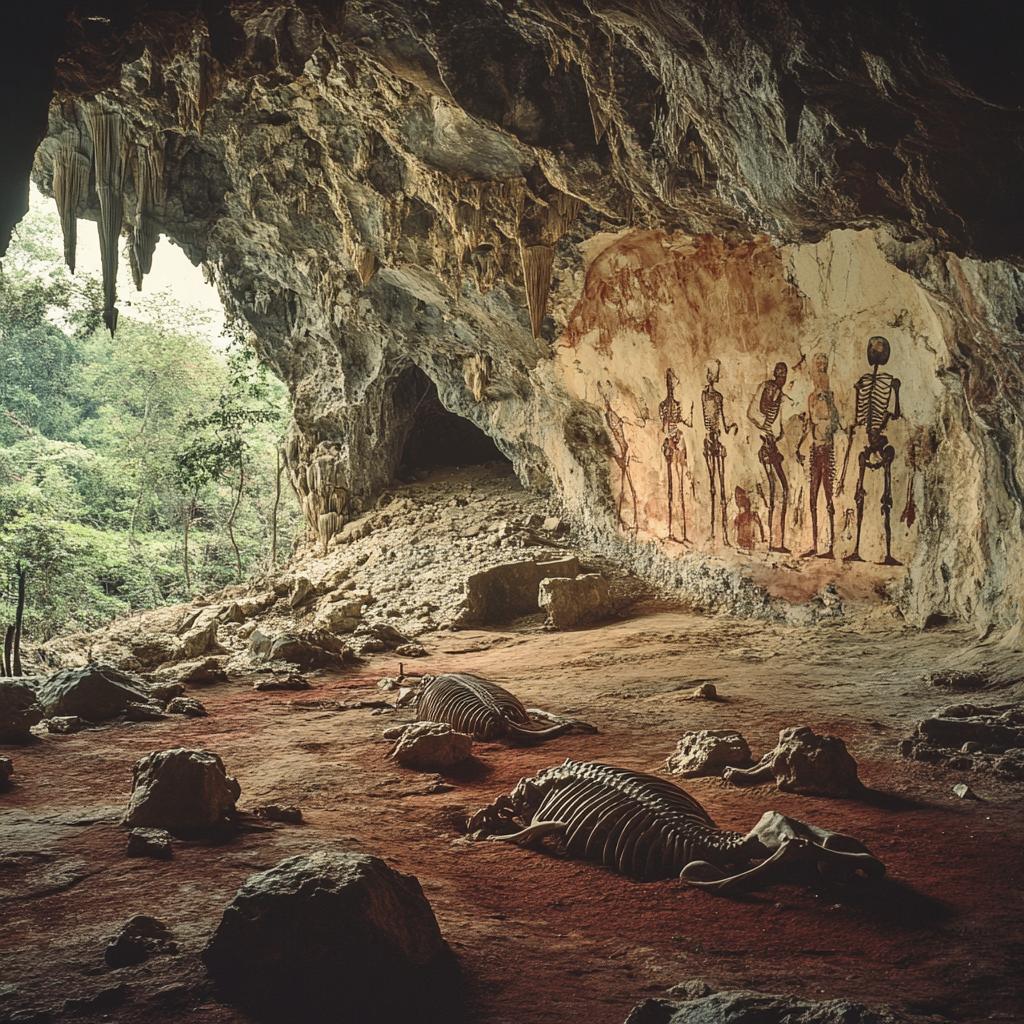
Imagine stepping back in time to some 29,000 years ago when Thailand was shrouded in the mysteries of the Ice Age. In a surprising twist of fate, officials from the Ratchaburi Provincial Fine Arts Office 1 have unveiled a discovery that pulls back the curtains to reveal Thailand's oldest known human skeleton. Nestled deep within the labyrinthine cave system of Sam Roi Yot National Park in the picturesque southern province of Prachuap Khiri Khan, this skeleton was unearthed, lifting the veil on an ancient world.
The thrilling reveal was made public by Kannika Premjai, the dedicated leader of the survey team, just days ago, on February 24, inspiring waves of excitement among both archaeologists and history aficionados. The ancient remains, which are believed to have belonged to a young child around the tender age of six to eight, provide a tangible connection to the distant human past, back in the Pleistocene epoch when Ice Age prowled the earth.
The dramatic setting of this find? A complex network of five spacious caverns, each echoing tales of human habitation from a bygone era. It was in the third cavern where this venerable skeleton was found, resting two meters below the ground near the age-old cave walls, as if narrating silent stories from an era lost in time. And though the child's gender remains a mystery, the team affectionately bestowed the name "PangPond" upon the skeleton, in homage to a beloved Thai cartoon character, bringing a touch of innocence and whimsy to the find.
Interestingly, PangPond’s story doesn’t end with just the bones. Signs suggest a carefully conducted burial—a practice not of haste, but of reverence. The burial ground is a masterpiece of prehistoric funerary art, with PangPond's small body laid to rest, wrapped in the embrace of rocks and soil. An eerie yet fascinating discovery points to a smoking ritual, indicated by ash residues, possibly to stave off decay and deter scavengers, as well as pay homage to the departed soul.
Moreover, the appearance of red soil on the chest of these ancient remains may indicate ceremonial activities, a poignant farewell orchestrated by people who held beliefs and customs as unique as any. This type of soil held importance in ancient ceremonies, suggesting that PangPond’s journey to the afterlife was significant for those left behind.
Adding further layers to this incredible discovery, the fissured walls of the other caverns tell tales painted in ochre and red. Vivid images depict people in ceremonial garb, others locked in the eternal dance of the hunt, immortalizing a world where humans and nature were intertwined in a grand narrative. From quick-footed monkeys to graceful deer and elusive muntjacs, these ancient murals open a window into an epoch long before our modern world.
Kannika and her diligent team are set on decoding not only the skeleton’s enigma but also the centuries-old artworks, mindful that each stroke and image serves as a testament to ancient life and beliefs. While access to this treasure trove remains exclusive to officials and researchers for now, it's tantalizing to imagine the day when these caverns will welcome the curious eyes of archaeological explorers and history buffs alike. The Department of National Parks, Wildlife and Plant Conservation has unveiled plans to transform this hidden chest of wonders into a riveting tourist attraction, promising a rendezvous with prehistoric Thailand.
So, stay tuned! Because soon enough, you might get the chance to walk through the cool, echoing caverns of Sam Roi Yot National Park, seeing where the past and present coalesce and unravel the magnificent enigma of the human saga dating back 29,000 years.



Comment verification
Step 1 of 3
Verify your email once to publish your comment. Your email is never shown publicly.
Enter the 6-digit code sent to .
Choose the display name shown next to your comments.