Paetongtarn Shinawatra's Hong Kong Trip Sparks Debate on Cultural Commitment During Thailand's Songkran Festival
In the vibrant heart of Thailand, amidst the bustling streets and vibrant culture, a figure emerges, capturing the attention of all. Paetongtarn Shinawatra, the charismatic leader of the Pheu Thai Party and the deputy…
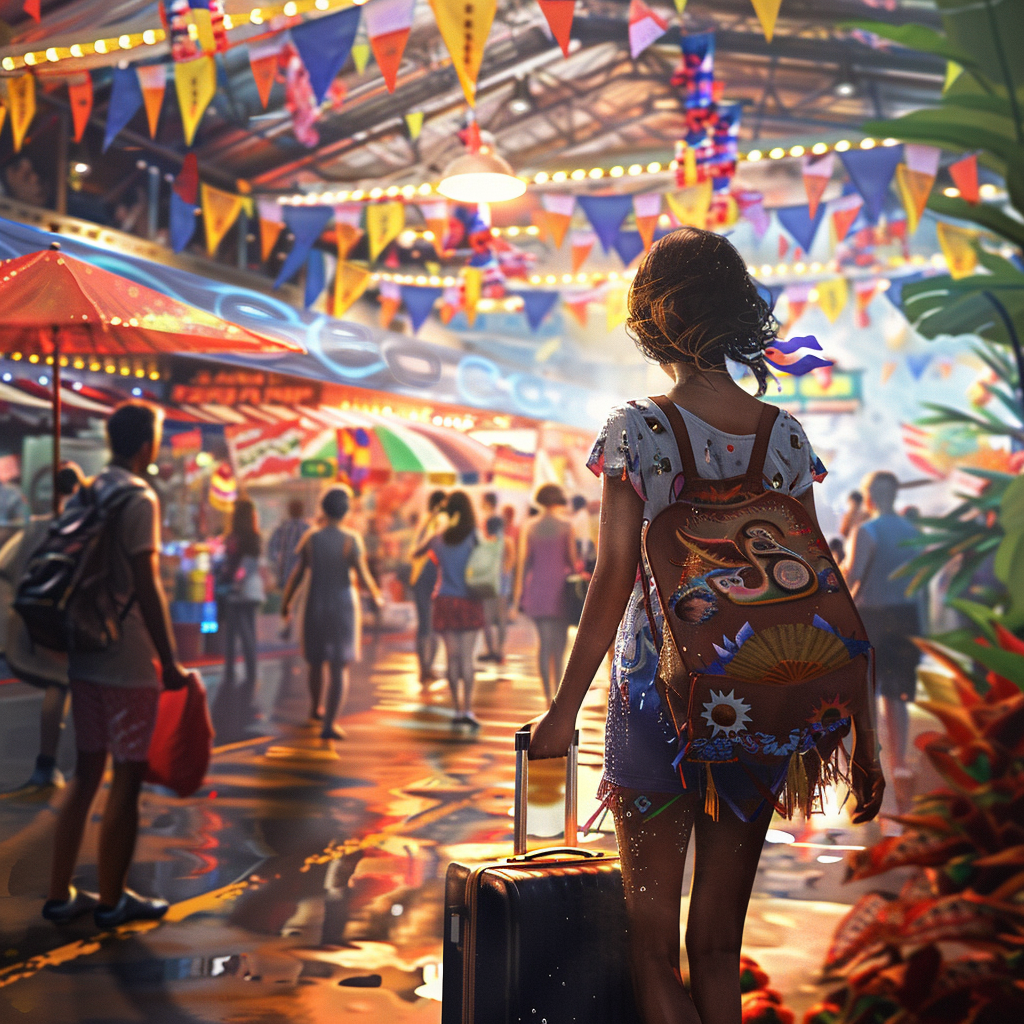
In the vibrant heart of Thailand, amidst the bustling streets and vibrant culture, a figure emerges, capturing the attention of all. Paetongtarn Shinawatra, the charismatic leader of the Pheu Thai Party and the deputy chair of the National Soft Power Strategy Committee, finds herself at the forefront of an intriguing debate. With the press's cameras flashing in February at Government House, her wave symbolized more than a greeting; it was a prelude to a story that would captivate the nation.
As Thailand prepared to immerse itself in the splashes of joy and tradition for the Songkran festival, an announcement stirred the waters. The festival, a jewel in Thailand's cultural crown recently recognized as an Intangible Cultural Heritage item by UNESCO, was poised for a grand celebration. Amidst these preparations, Paetongtarn Shinawatra revealed plans to fly to Hong Kong with her family during this culturally significant time, setting off a wave of questions and concerns.
Jatuporn Prompan, a figure with deep roots in the red-shirt movement, couldn’t mask his perplexity. In a passionately worded question, he echoed the sentiments of many: "Why, at a time when Thailand beckons the world to revel in its unique cultural heritage, does one of its key proponents choose to be elsewhere?" His inquiry was not just a question; it was a reflection on the essence of responsibility and dedication to one's heritage and nation. Jatuporn’s dismay, vocalized on his Facebook Live, was not just about a trip, but about the message it sent at a time when unity and celebration were the calls of the hour.
Government spokespeople and committee secretaries sought to navigate these turbulent waters with explanations and reassurances. The Maha Songkran World Water Festival, they announced, would not be a continuous country-wide celebration but a series of events, highlighting both logistical challenges and promises of grander festivities in the future. The festival in Bangkok, a splendor on Ratchadamnoen Klang Avenue and Sanam Luang from April 11-15, promised to be a beacon of joy, culture, and tradition.
Yet, amidst these assurances, the heart of the debate remained. It was not about questioning the dedication of a leader or the logistical intricacies of organizing a national festival. It was about the essence of Songkran—a time when the threads of past, present, and future weave together in a vibrant tapestry of water, joy, and cultural pride. It was a reminder that Songkran is more than a festival; it is a testament to Thailand's rich cultural heritage, a time for reflection, renewal, and, most importantly, unity.
As this story unfolds, it beckons us to reflect on the delicate balance between personal freedom and public responsibility, especially as leaders in a rapidly globalizing world. It invites us to ponder the meaning of cultural heritage and the role each of us plays in its preservation and celebration. In the end, Paetongtarn Shinawatra's decision to visit Hong Kong becomes a narrative not of controversy, but of a broader conversation about culture, identity, and the ties that bind us to our homelands, even as we navigate the vast and varied landscape of our global village.



Comment verification
Step 1 of 3
Verify your email once to publish your comment. Your email is never shown publicly.
Enter the 6-digit code sent to .
Choose the display name shown next to your comments.