Royal Thai Air Force Responds to Cambodia's Allegations Over Israeli MK-84 Bombs
The Royal Thai Air Force has recently found itself in the spotlight, furiously batting away claims from its neighbor Cambodia. The crux of the matter? Allegations have surfaced that Thailand had been on a clandestine…
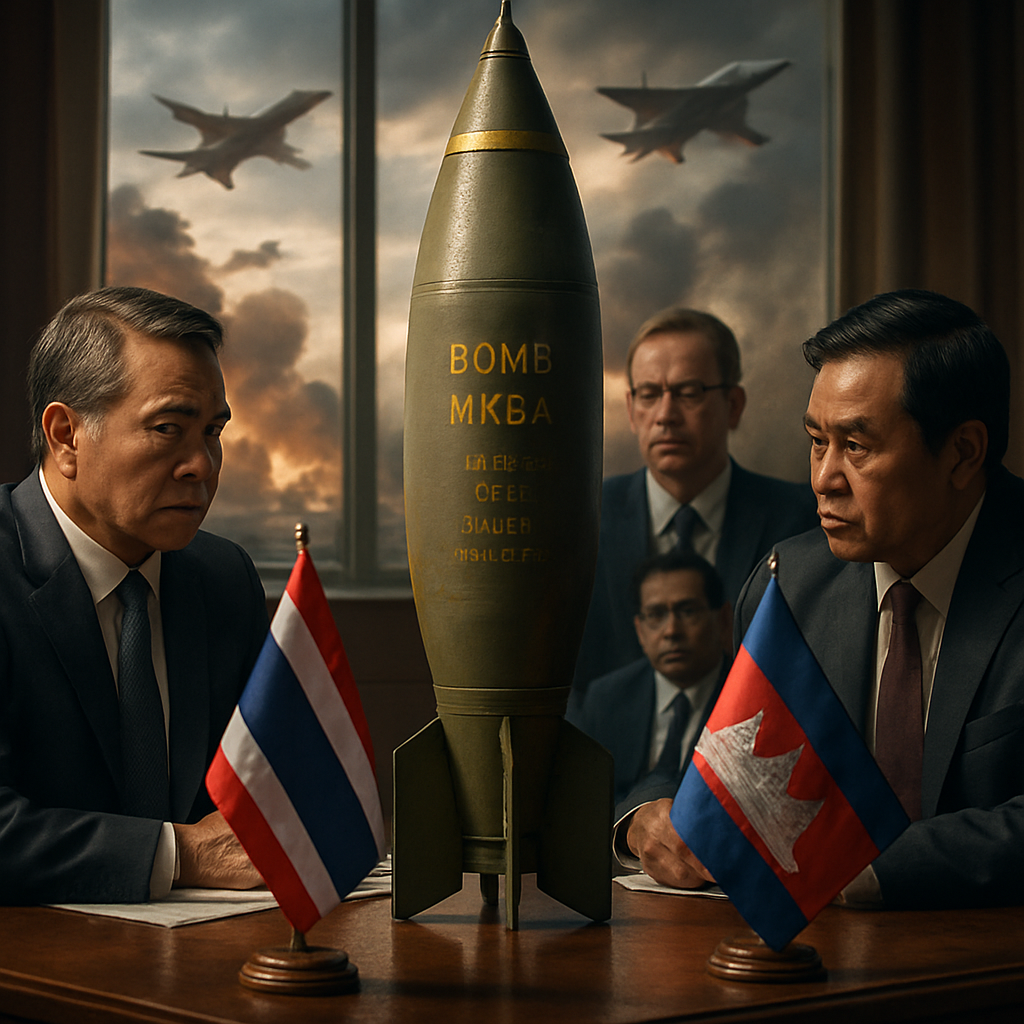
The Royal Thai Air Force has recently found itself in the spotlight, furiously batting away claims from its neighbor Cambodia. The crux of the matter? Allegations have surfaced that Thailand had been on a clandestine shopping spree, acquiring MK-84 bombs from the distant lands of Israel. In response, the Royal Thai Air Force has thrown up its hands in exasperation and called for none other than a neutral third party to step in and sift through this explosive puzzle.
They assure everyone that their military operations are as squeaky clean as a freshly polished Boeing and firmly grounded in international law and humanitarian principles. Today is August 5, and the drama unfolds with Heng Ratana, head honcho at the Cambodian Mine Action Centre (CMAC), dropping the bombshell—pun very much intended—that these bombs aren't relics from yesteryears. He speculated that the trail might lead to Thailand via Israel. A sudden hush fell over the room.
Swift on the heels of this bombshell revelation came the Royal Thai Air Force's candid clarification: "Us? Buy bombs from Israel? Perish the thought!" They stressed that their arms shopping is a high-brow affair, sticking to the list of tried and tested companions connected through formal defense alliances. They also suggested that impartial verification might be the best way to lay these rumors to rest for good.
Moreover, these Air Force representatives emphasized the righteous nature of their air operations, carried out under the noble banner of self-defense, right in line with Article 51 of the United Nations Charter. The force reported to KhaoSod that everything they do is under the strict mentorship of international humanitarian laws. They urged everyone to only trust data, the kind that’s certified by neutral entities, and not easily misled by hearsay or unfounded gossip.
In another twist, just days ago on July 31, the Royal Thai Air Force made another statement with confidence, denying any past engagements with the now rusty and forlorn 2,000-pound MK-84 bomb discovered in Cambodia. "That ancient piece?" they said, "Nothing to do with us!" It was supposedly unearthed from under a homey little neighborhood where it had been taking a dirt nap for who knows how long. Commonly a tool of Western military playbooks, this relic had spurred a flurry of internet speculation thanks to Heng Ratana’s Facebook expose.
Air Chief Marshal Prapas Sonjaidee quickly hopped on social media, stating in no uncertain terms that the Thai military had absolutely no ties to the bomb in question. And with that, the digital crowd paused, reeled in their opinions, and awaited further developments.
In perhaps less explosive news on the sidelines, other worldly affairs unfolded. The Royal Thai Air Force continues its daily operations, unswayed, as Thailand remains abuzz with a myriad other happenings—from AI translators pampering expats with attractive deals to unfolding crime mysteries in Trang and incentives cooked up to charm foreign incomes.
Splashes from these tides of events serve as a reminder of the delicate web of international relations, the intricate dance of diplomacy, and the unpredictability of speculation—all encapsulated in a single bombshell or, perhaps, the absence of one.



Comment verification
Step 1 of 3
Verify your email once to publish your comment. Your email is never shown publicly.
Enter the 6-digit code sent to .
Choose the display name shown next to your comments.