Thailand

Russian Tourists' Fruit Misadventure in Khao Na Nai Luang: A Health Scare Unfolds in Thailand's Jungle

In the lush, tropical expanse of Khao Na Nai Luang National Park, a group of seven Russian adventurers recently encountered an unexpected twist in their journey. The serene beauty of the southern province of Surat Thani…
Russian Tourists' Fruit Misadventure in Khao Na Nai Luang: A Health Scare Unfolds in Thailand's Jungle

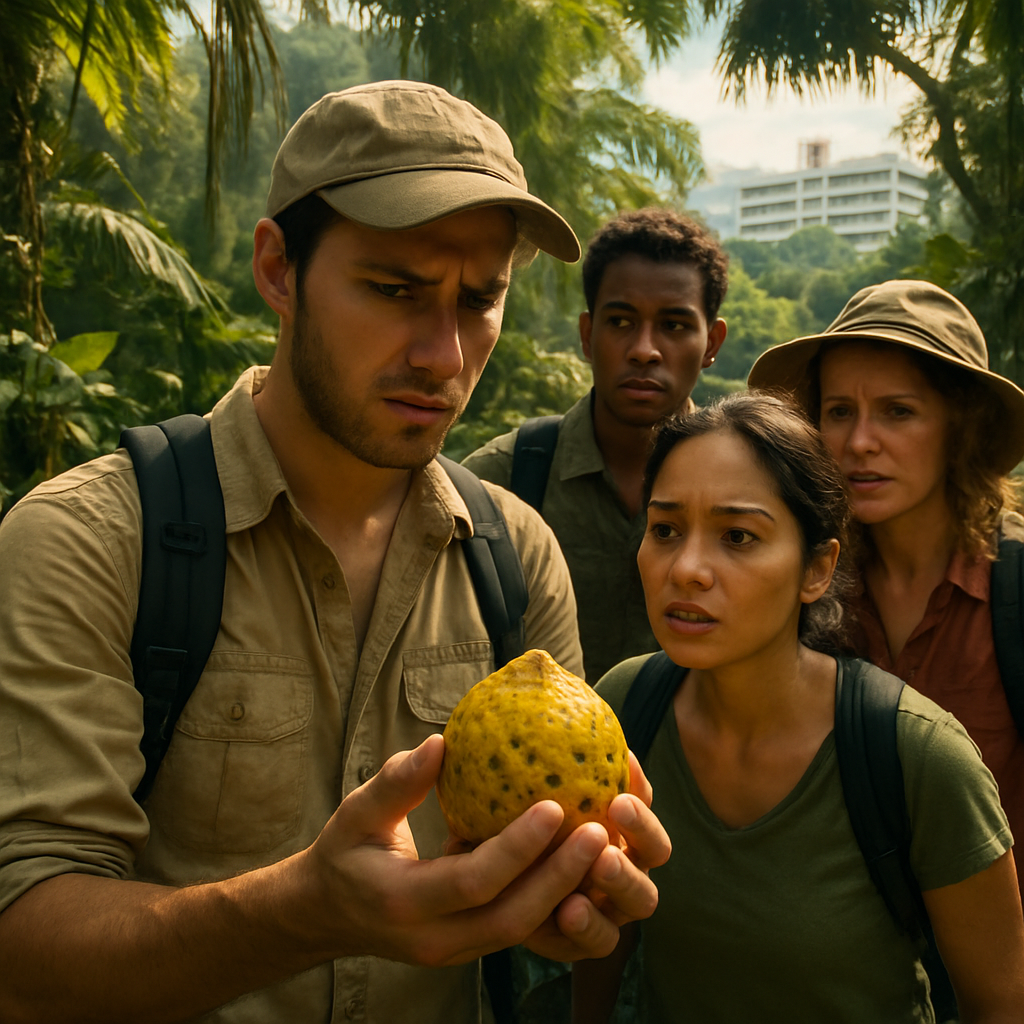
In the lush, tropical expanse of Khao Na Nai Luang National Park, a group of seven Russian adventurers recently encountered an unexpected twist in their journey. The serene beauty of the southern province of Surat Thani quickly turned into a scene of medical urgency when these intrepid explorers decided to sample the local flora—a decision that led to a dizzying and, quite literally, gut-wrenching experience.

It was 1.33 PM when the Ta Khun Prom Foundation's rescuers were called into action in the picturesque but unforgiving wilderness of Phanom district. The group of Russian tourists, comprising five women and two men, had indulged in what was later suspected to be a beguiling wild fruit. The consequence? An unscheduled trip to the local hospitals, courtesy of severe symptoms that ranged from dizziness and chest tightness to relentless vomiting.

Amidst the chaos, two of the women stood out, not for all the right reasons, unfortunately. Spirina Olena and Sierova Olqa, both experts in mishaps, found themselves in a more perilous state than their comrades, even exhibiting alarming signs such as foaming at the mouth. While most of their friends were soon discharged after some swift medical intervention, Olena and Olqa, alongside their fellow traveler Nartalia Sytnikova, remained under acute observation in Phanom and Ban Ta Khun Hospitals.

Their curious expedition to the national park started in the colorful town of Phuket. Traveling in a chartered vehicle, they entered the national park without a guide—bold adventurers keen on exploring uncharted territories, or at least the non-touristy trails. Little did they know that their jaunt through the greenery would make headlines due to a rogue encounter with the mysterious local produce.

The culprit of this tale, an enigmatic fruit thought to belong to the Diospyros family, tantalized their taste buds before turning on them like a fair-weather friend. Locally nicknamed "Ma Plub Sam Kler," this beguiling yellow fruit, marked by intriguing black specks, clearly harbored a resinous secret that did not sit well with the unwary travelers.

Photographs capturing the essence of the fruit show a round, yellow delight, deceptively crowned with a soft, seeded interior. The reaction to these photos on social media erupted into a virtual discussion, with local netizens batting theories back and forth. Many asked the question that baffled even the most seasoned fruit enthusiasts—if monkeys could munch on this snack without adverse results, why not humans?

In the wake of this fruity fiasco, samples of the fruit have been dutifully dispatched to the keen hands of the Ramathibodi Poison Centre for further analysis. Scientists there are all set to dissect this fruit conundrum, aiming to unravel the toxic puzzle that led to this sensational story.

While some might say these tourists bit off more than they could chew, their tale is a cautionary reminder of nature's dual ability to mesmerize and mystify. So, the next time you're trekking through unfamiliar terrain, remember: the path less traveled might just be laden with fruits you should think twice about tasting.


27Comments
Sort by:
AAnna_P··1 pts · 2 replies
A
Anna_P
Why would anyone eat wild fruits they can't identify? It's basic survival knowledge to avoid unknown plants.
1
DPDmitri Pavlov··1 pts
DP
Dmitri Pavlov
It's part of the adventure! You miss out on so much if you're constantly worried. I say live a little, even if it means some hospital time.
1
AAnna_P·1 pts
A
Anna_P
Hospital trips aren't exactly what I call adventurous. There are safer ways to explore nature.
1
WWildExplorer··1 pts · 1 reply
W
WildExplorer
I think this is more about cultural arrogance. Assuming everything's edible just because it looks like something we know is naive.
1
MTMaria T.··1 pts
MT
Maria T.
Agree. There's an ignorance in thinking that our Western knowledge of nature applies everywhere. It's like others said, if local wildlife and people aren't eating it, maybe there's a reason.
1
JDJohn Doe··1 pts · 1 reply
JD
John Doe
I read somewhere that the local folks use these fruits in traditional medicine. Maybe our bodies just aren't used to it.
1
LLocalGuide123··1 pts
L
LocalGuide123
That's right. The problem is when tourists skip hiring guides, they miss out on this kind of crucial information.
1
SSophieB··1 pts · 2 replies
S
SophieB
Can you imagine the headlines if this happened in the US? Lawsuits everywhere!
1
FFrankie92··1 pts
F
Frankie92
The 'sue culture' is different in Thailand. When you travel, you need to adapt, not expect others to bend to your ways.
1
SSophieB··1 pts
S
SophieB
True, but responsibility should go both ways. More signage in parks might prevent incidents like this.
1
RKRavi K.··1 pts · 1 reply
RK
Ravi K.
As a botanist, I find it fascinating. Could have just been an allergic reaction specific to their bodies.
1
FFieldNut··1 pts
F
FieldNut
Indeed, toxicology is quite complex. What works for the animal kingdom might not suit humans at all.
1
TTraveler09··1 pts · 1 reply
T
Traveler09
I’ve traveled extensively and never once eaten something I didn’t recognize. Isn’t common sense still common?
1
AAdventurousKate··1 pts
A
AdventurousKate
But isn’t half the thrill of travel trying the unknown? Sometimes you win, sometimes you learn the hard way.
1
SWSam W.··1 pts · 1 reply
SW
Sam W.
Hope they learned their lesson without any long-term harm. Scary situation though.
1
CKCaring Karin··1 pts
CK
Caring Karin
I hope so too. Education is key for both tourists and locals. Maybe guides should emphasize safety even more.
1
NNatureLover89··1 pts · 1 reply
N
NatureLover89
Still, what a story to tell! Not everyone can say they’ve survived a jungle's natural defenses.
1
TTravelBeef··1 pts
T
TravelBeef
Yeah, definitely a memory to top at a dinner party. But not an experience I would envy personally.
1
JJessica··1 pts
J
Jessica
Monkeys aren’t exactly reliable role models for eating habits. Just because they can eat it doesn’t mean we should!
1
ZZXspectre··1 pts
Z
ZXspectre
Ma Plub Sam Kler sounds exotic. Might be using this as my 'hipster fruit' story amongst friends. Just need to mention foaming a bit less, eh?
1
AMAntonio McGregor··1 pts
AM
Antonio McGregor
Wonder if these fruits can be used in another way, like for cooking once the toxins are neutralized.
1
EGElena G.··1 pts
EG
Elena G.
According to the report, only some were severely affected. I wonder if it was the quantity eaten or individual tolerance.
1
DBDennis B.··1 pts
DB
Dennis B.
Sounds like they were the unlucky ones this trip. But, Thailand does have a mystique worth exploring safely.
1
MMikhail··1 pts
M
Mikhail
It's all fun and games until someone encounters local wildlife. I'd be more terrified of a snake!
1
OOlga77··1 pts
O
Olga77
I can't help but laugh a little. Sounds like something out of a comedy, though it must have been terrifying.
1
JJungleEnthusiast··1 pts
J
JungleEnthusiast
For adventurers, isn’t this kind of story the dream? Assuming they recover, of course.
1
RTRussian Tourists Become Ill After Eating Wild Fruits in Thailand - Thai Wise - all about Thailand··1 pts
RT
Russian Tourists Become Ill After Eating Wild Fruits in Thailand - Thai Wise - all about Thailand
[…] Emergency response was prompt, with the Ta Khun Prom Foundation rescue team arriving at 1:33 PM on May 4, 2025, to find the tourists conscious but severely unwell. This incident also prompted local authorities to consider enhancing park guidelines to prevent future occurrences of such health emergencies enhancing park guidelines. […]
1
