Southern Thailand's Dilemma: Communities Clash with National Park Plans in Khanom and Koh Samui
In the verdant and vibrant corners of southern Thailand, a story unfolds that epitomizes the age-old conflict between human livelihoods and environmental conservation. The locals of Nakhon Si Thammarat and Surat Thani,…
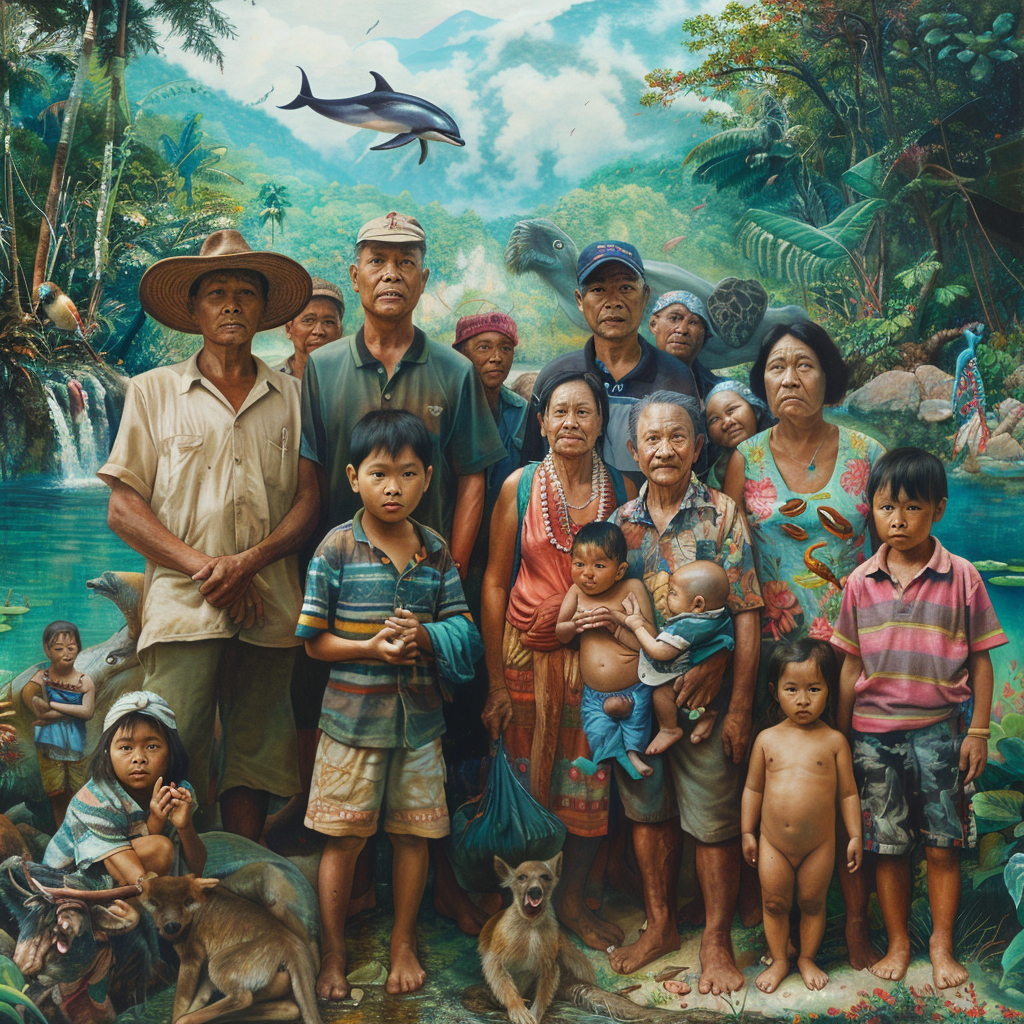
In the verdant and vibrant corners of southern Thailand, a story unfolds that epitomizes the age-old conflict between human livelihoods and environmental conservation. The locals of Nakhon Si Thammarat and Surat Thani, notably from the communities of Khanom district, Don Sak, and the idyllic Koh Samui, find themselves at a crossroad, wrestling with the Thai government’s plans to earmark their ancestral grounds for the future Hat Khanom-Mu Koh Thale Tai National Park. This unfolding drama attracted the attention of approximately 500 concerned citizens, who congregated at the Khanom District Office on a certain Wednesday, their hearts heavy with apprehension.
The assembly was nothing short of a microcosm of democracy in action, under the stewardship of Khanom District Chief Thitiwat Boonkit. The air buzzed with anticipation and trepidation as Wimonmart Nuipakdee, the prospective guardian of the national park, took the floor, sharing the dais with the local voices. Amidst this congregation, Suttipan Nurak stood out, eloquently voicing the collective unease: the phantom of national park regulations loomed large, threatening the socio-economic tapestry that these communities had woven over generations.
Nurak’s gesture of handing a letter of complaint to Prime Minister Srettha Thavisin, though through the intermediary hands of Sunthorn Photsalee, was symbolic – a plea for understanding, a call for empathy from the highest echelons of power. While the letter traversed the bureaucratic channels to the Prime Minister's desk, Wimonmat offered a counter-narrative. She elucidated the park’s shrinking territorial claims, from an ambitious 197,614-rai to a more modest 125,817 rai, in a bid to allay fears of encroachment.
Wimonmat’s arguments, steeped in legislative safeguards and ecological promises, painted a picture of a harmonious coexistence, where fishermen could still cast their nets within the bosom of Mother Nature’s 5.4 kilometers embrace from the shore. She envisioned a sanctuary that not only cradles the fragile threads of biodiversity – serows, deers, boars, and the mesmerizing southern dusky leaf monkeys on land; pink dolphins and sea turtles in the watery realm – but also buttresses the livelihoods of the local communities.
Yet, despite Wimonmat’s assurances, the locals’ verdict was unanimous – a resolute no to the park’s establishment. In the face of this discontent, the park head clarified the meeting’s purpose – not a decisive battleground, but a forum to air and address grievances, a prelude to more inclusive conversations that would later encompass the perspectives from other involved communities like Koh Taen, Koh Rab, and Koh Mudsum.
The narrative thickened as whispers of resistance from Koh Taen echoed through the halls of power, with a petition against the Department of National Parks, Wildlife, and Plant Conservation’s (DNP) ambitions swirling into the mix. This tale of resilience, of a deeply rooted connection to the land and the sea, underscores a universal dialogue on balancing the scales of human development and conserving the natural world.
As this saga unfolds under the azure skies of southern Thailand, it beckons us all to ponder – how do we navigate the delicate dance between nurturing our planet and safeguarding our communities? In the end, perhaps it is in listening, truly listening, to the chorus of voices from all quarters that we might find a melody sweet enough to guide us toward a sustainable symphony.



Comment verification
Step 1 of 3
Verify your email once to publish your comment. Your email is never shown publicly.
Enter the 6-digit code sent to .
Choose the display name shown next to your comments.