State Audit Office Scandal Unveiled: Lavish Expenditure Sparks National Outcry
In the bustling heart of Chatuchak district, Bangkok, a dramatic scene unfolded that seemed straight out of a suspense thriller. As cranes swung into action at the site of the toppled State Audit Office (SAO) building,…
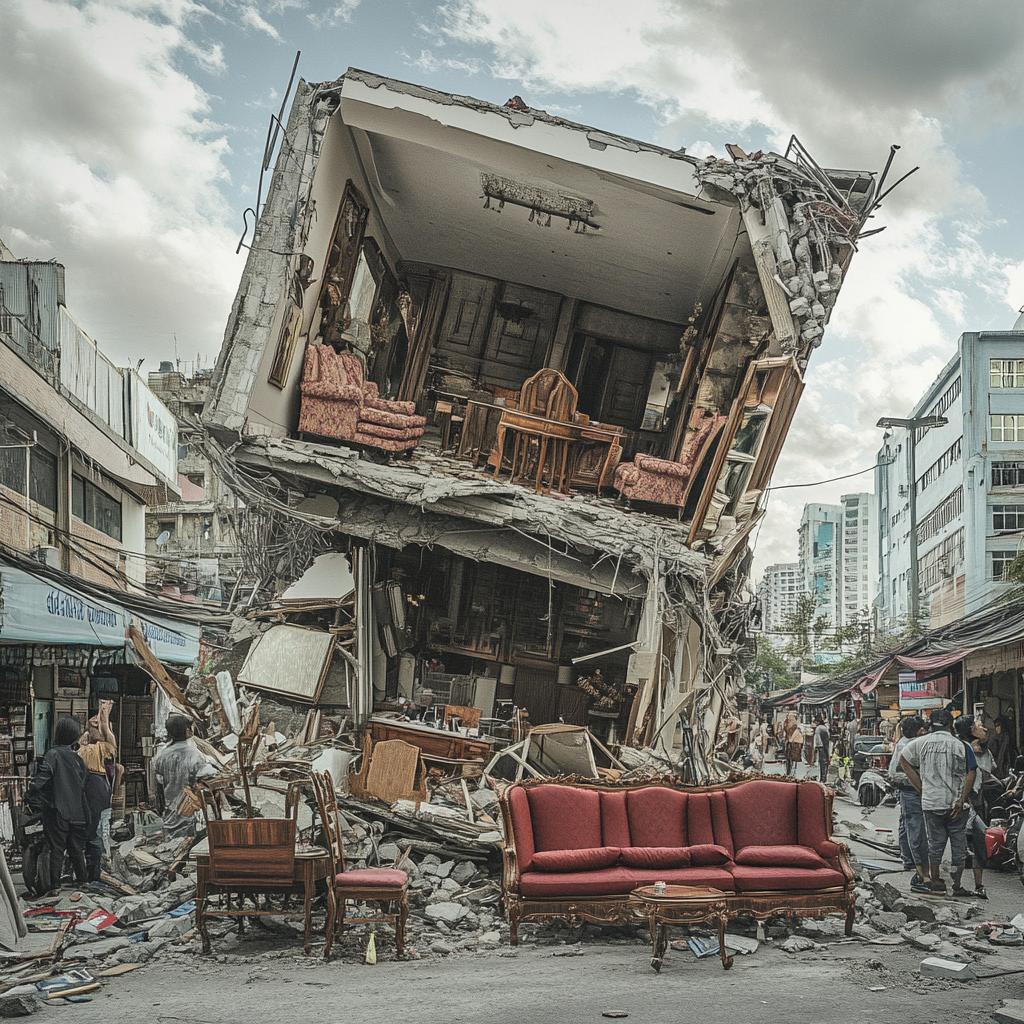
In the bustling heart of Chatuchak district, Bangkok, a dramatic scene unfolded that seemed straight out of a suspense thriller. As cranes swung into action at the site of the toppled State Audit Office (SAO) building, the rumble of heavy machinery was soon matched by an even louder uproar reverberating across social media landscape. The reason? An eyebrow-raising list of opulent furniture costs meant for the now-defunct construction.
The Facebook page "STRONG Anti-Corruption Thailand" — a fiery watchdog with a formidable following of over 180,000 eager digital watchdogs — had the pleasure of blowing the whistle. On a seemingly ordinary Wednesday, they decided to roll up their sleeves and dish out a mouth-watering, spicy exposé. Their appetizer? The bafflingly high expenditure details for SAO's luxurious office furniture and fittings, an outrage enough to leave an Italian opera singer speechless.
But just what made the populace spit their morning coffee right across the room? Well, let’s delve into the opulent Italian leather-upholstered conference chairs — neatly priced at a cool 97,900 baht per chair, ready to seat the buttoned-up brigade in two ceremonious rooms nestled on the fourth and eleventh floors. If mathematics serves right, 28 of these cushy thrones set the taxpayers back a grand 2.7 million baht!
Adding to this feast of grandeur, the love for luxury continued with handwoven nylon carpets that could probably tell tales of their own, each marked with a price tag singing melodies of 165,000 baht. Not to be left behind, leather-upholstered sofas also lined up, priced modestly at 157,000 baht a piece. Yours truly, however, stood the glitteringly expensive set of carpets for the chairman’s pristine office, winking at 110,000 baht each from their plush floors!
And just when you thought the shop-a-thon was winding down, came the bathroom expenditure that would make a plush palace blush — with faucets and soap dispensers, along with other gleaming accessories, joining the league of pricey comrades, racking costs in millions.
As the dust settled and the calculators grew weary, the public took to their keyboards with the fervor of a thousand tapping fingers. Outrageous memes and witty banter filled the virtual streets. Quips like "Is this where all that tax money that vanished into the ether landed?" and "The auditors too need a good auditing!” echoed all around, leaving an imprint of frustration and disbelief.
The call for transparency was clear: marketplace voices wondered aloud whether the SAO’s extravagant tastes were a tad misplaced, especially when echoes of economic austerity flowed across governmental halls. Demands for accountability boomed louder than the crash that took down the architectural marvel, begging questions about where public coffers should indeed be spent.
In a city where modernity meets heritage personified, the SAO’s tale stands as a reminder — opulence may have its allure, but at what cost should it be courted? As the narrative unfolds, and officials scurry to rebuild reputations amidst rubble, the citizens watch, wait, and wonder about the next chapter in this real-life drama — hoping for a plot twist that balances the scales of justice.



Comment verification
Step 1 of 3
Verify your email once to publish your comment. Your email is never shown publicly.
Enter the 6-digit code sent to .
Choose the display name shown next to your comments.