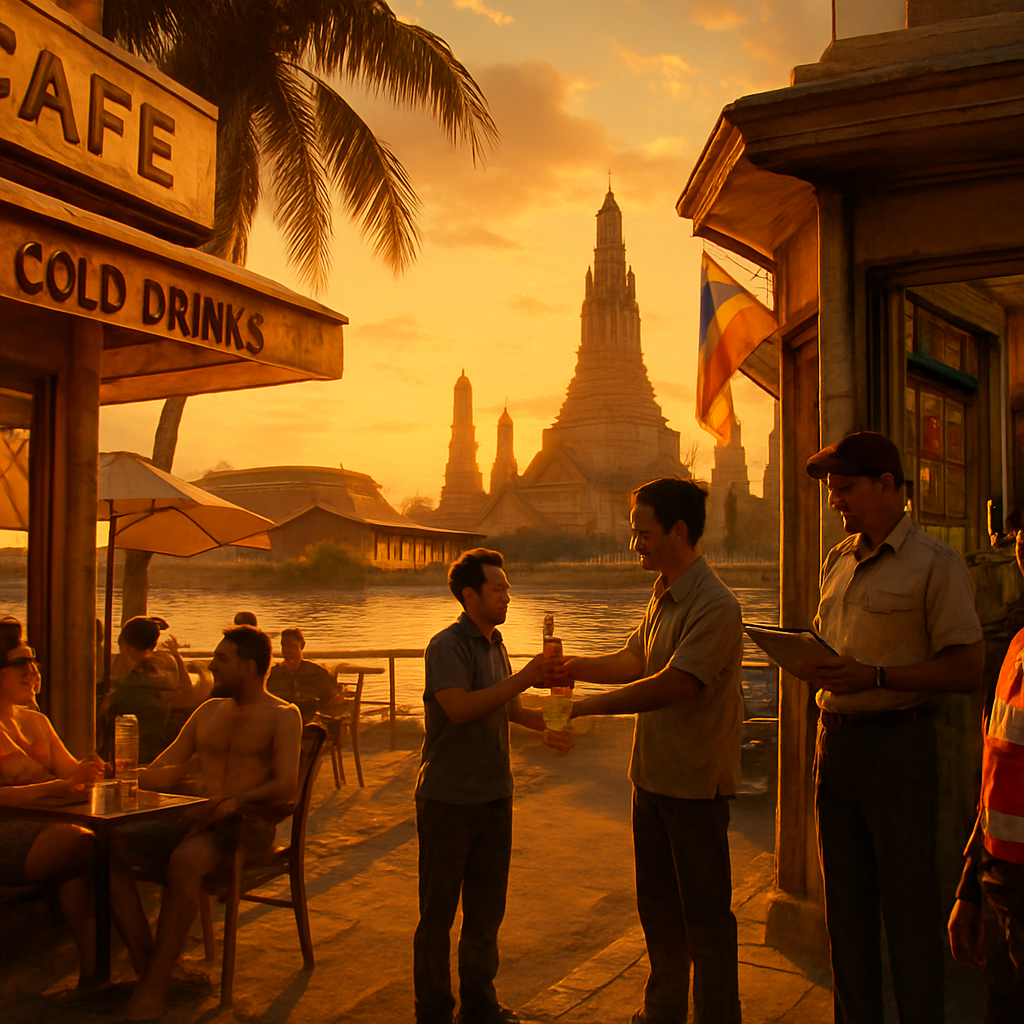
Thailand has flipped a long-standing switch today, December 3, 2025: for the first time in decades, alcohol sales are allowed between 2:00pm and 5:00pm as part of a bold six-month experiment. The 180-day trial—confirmed in the Royal Gazette on December 2—was set in motion after growing calls from tourism bosses, hotel owners, nightlife operators and even ordinary drinkers who argued that the afternoon ban had outlived its usefulness in a modern, travel-heavy Thailand.
Deputy Prime Minister Sophon Sarum was among those who flagged the issue two weeks ago, telling reporters that the National Alcohol Policy Committee found the afternoon restriction “outdated” and incompatible with contemporary lifestyles, tourism demands and the wider economy. The committee also acknowledged an awkward side effect: the ban encouraged off-the-books sales from tiny neighborhood shops and community groceries, creating a shadow market that was harder to regulate than a transparent, lawful window of afternoon trading.
So what’s changing, exactly? From today, licensed sellers can legally serve alcohol in the afternoon window of 2pm–5pm while authorities gather data to decide whether the shift should become permanent. The Alcohol Control Committee will be keeping a sharp eye on a handful of indicators—alcohol sales figures, road accidents, crime statistics and public health incidents—especially in high-tourism areas where late-night revelry and daytime sightseeing collide. Expect a full report from the committee when the 180 days are up.
Not everyone is raising a champagne flute. Public health officials warned that the afternoon opening might nudge some people toward drinking during working hours and complicate efforts to promote responsible consumption. Their concerns are real: easing a restriction can create new patterns, and those patterns sometimes have ripple effects on road safety and hospital admissions. The committee’s solution was pragmatic: trial first, judge later.
The tourism industry, not surprisingly, pushed for even greater freedoms. Hotel associations and nightlife entrepreneurs had lobbied for a much longer extension of drinking hours—some even requested venues be allowed to serve until 4:00am, arguing it would make Thailand more competitive with neighboring nightlife capitals. The Ministry of Public Health, citing data that show a spike in drunk-driving incidents between 2:00am and 3:00am, pushed back. Instead of a 4:00am finish, officials settled on a modest compromise: an existing extension to 1:00am for entertainment venues remains in place. And a firm reminder: anyone drinking inside entertainment venues after permitted hours still faces fines up to 10,000 baht.
There’s a pragmatic logic to the slow-march approach. Thailand’s nightlife economy is an important revenue stream—restaurants, bars, hotels and tour operators rely on flexible opening hours to attract international visitors and keep domestic customers entertained—but public safety is a non-negotiable. The 180-day trial is an attempt to thread that needle: stimulate business while measuring the social costs, if any.
So what might a typical afternoon look like now? Picture beachside cafes in Phuket and Pattaya offering chilled beers for sun-seekers after a late lunch, rooftop bars in Bangkok letting tourists enjoy an early sunset tipple, and hotel minibars being a little less secretive about legal access. Small businesses that once bent the rules out of necessity could now operate openly during those three hours, boosting receipts and letting regulators keep better tabs on sales and tax compliance.
Still, the experiment will likely be localised in its effects. The Alcohol Control Committee plans to monitor hotspots—think Khao San Road, Patong, Bangla Road and Asiatique—where tourism density blends with nightlife and traffic. Officials will be watching closely for any uptick in alcohol-related incidents: road accidents, disorderly conduct, hospital admissions and the like. If the numbers creep upward in a way that public health experts deem unacceptable, the trial could be curtailed or adjusted.
The public reaction has been mixed: relief and relief-adjacent excitement from the hospitality sector, cautious optimism from many tourists, and a dose of skepticism from health advocates. The committee hopes that by choosing a measured trial rather than a wholesale lift, the country can collect hard evidence rather than rely on hot takes.
For now, the afternoons are open—but not reckless. Authorities will be watching the fine print of behaviour as closely as the figures in the sales ledger. Whether the 2pm–5pm window becomes a permanent feature of Thailand’s social calendar will come down to cold data collected over the next 180 days, a few likely spirited debates, and the delicate balancing act between fun and public safety.
One thing is certain: Thailand’s beverage scene just got a new chapter—one written in trial-and-error and a heavy dose of pragmatism. Whether it’ll lead to more relaxed rules in the long run remains to be seen, but for now, the country is flirting with a little more afternoon freedom—and a lot more watching.












Finally, this trial was long overdue. Letting licensed sellers operate 2–5pm makes sense for tourism and honest small shops. I hope authorities actually use the data to make wise choices.
As a tour guide, I welcome this. Afternoon drinks keep tourists happy during long island trips. But we must watch for bus drivers sneaking sips between tours.
This is great news for travelers like me. Beach beers after lunch are a holiday staple. Thailand is finally catching up with what tourists expect.
Easy for tourists to cheer, harder for locals who rely on strict rules to keep families safe. Economic benefits are real, but data on accidents must guide any permanent change.
Totally agree that safety data should be decisive. If accidents rise, rolling back is fine, but let’s not base policy on fear alone.
Small shops will finally stop hiding bottles behind the counter. Regulation beats black markets every time, but tax enforcement needs to be real.
From a public health perspective, a trial is a responsible approach. We must monitor hospital admissions, intoxication rates, and workplace incidents closely. This is not about moralizing but about measuring harm.
But what if people drink at work? That sounds dangerous. My uncle works afternoons and now I worry.
You scientists always ask for data, but policy moves people too. If the government signals drinking is ok during work hours, behaviors shift fast.
Good point, Kanya. Messaging and enforcement around workplace intoxication must accompany this trial. We will suggest targeted public information campaigns.
So will companies be fined if employees are drunk on the job or is it just individual responsibility? I want clarity before blaming workers.
As a bar owner, this is a win for business. Afternoon opening will spread revenue over the day and reduce late-night overcrowding. Regulation makes it easier to staff and report sales honestly.
Profit-first attitude. But what about residents who don’t want daytime drunks in family areas? There’s a social cost.
Resident complaints are legit, but tourism dollars support schools and services. Balance, not bans, is the answer.
Exactly — balance. I can close my rooftop at 5pm and keep neighborhoods calm. Responsible businesses can self-regulate with slight incentives.
Economically, a 180-day trial is smart: it creates real-time data rather than rhetoric. We should compare tax receipts, unemployment in hospitality, and local GDP contributions. Expect lobbyists to push for permanence if revenues climb.
Lobbyists will always lobby. The question is whether communities get any compensation for extra policing or cleanup costs.
As someone who books tours, afternoon service reduces guest complaints and increases average spend. But extend hours to 4am? No thanks, that would spike drunk driving.
Interesting you draw the line at 4am but accept 1am; public safety data shows late-night crashes spike between 2–3am, so the compromise is evidence-based.
I just want to know if my local cafe will sell a beer at 3pm on Sundays. Simple and practical change for locals.
This will help the service sector recover after slow seasons. But the policy must include training for sellers to spot intoxication. No point opening if service quality drops.
Training sounds costly for small vendors. Will government subsidize it or expect businesses already squeezed to pay?
Subsidies or cheap workshops would work. It’s cheaper than paying for enforcement later and keeps the market aboveboard.
The shadow market argument convinced me. Legal windows reduce illegal sales and make taxation fairer. Still, data collection must be transparent.
Will this affect religious and conservative communities differently? Policies must respect local norms and be flexible regionally.
Regional flexibility is key. What’s fine in Patong is not fine in a small provincial town. Let municipalities set stricter rules if needed.
Local governments should be empowered, but central guidelines prevent a patchwork that confuses tourists and businesses.
I’m worried about drunk driving during peak tourist hours. More afternoon drinking could mean more accidents on scenic routes.
That’s why the committee is monitoring road accidents. If numbers rise, they can change the policy mid-trial.
People will find a way to party no matter the law. This at least gives police clear rules to enforce instead of chasing illegal sellers.
My niece works at a hotel and she already saw guests sneaking drinks into minibars at odd times. Legalizing the window might remove that secrecy and improve safety.
Hotels are different from street vendors. Internal policies should still ban service to obviously impaired guests, regardless of the hour.
Agreed. I’ll tell my niece to press management to adopt clear impairment checks and refusal protocols.
This move could be a model for other ASEAN countries balancing tourism and health. Transparent reporting will be watched region-wide.
People act like beer at 3pm is a moral crisis. It’s just a drink for many, but let’s not ignore the health experts who warned us.
As an expat, afternoon sales are convenient. But tourists need to be educated on local driving laws and penalties — ignorance isn’t a defense if something happens.
There will be uneven enforcement. Cops in tourist hotspots will be busy, but in small towns the rule might be ignored or abused. Training for officers matters.
Beach bars will thrive. Locals should get a share of the benefit though, not just big hotel chains.
Keep an eye on the Alcohol Control Committee’s report at 180 days. If they publish opaque metrics, journalists should demand raw data transparency.
I’m skeptical of short trials that feel like political appeasement. Either commit to public health or privatize the profits responsibly.
Policies like this are a negotiation between modernity and tradition. Thailand has always balanced both; this is just another chapter in that story.
What worries me is worker exploitation: will servers be pressured to keep serving tips over safety? Labor protections must be part of the conversation.