Thailand bans mining chemical exports to Myanmar
Thailand's Defense Ministry is enacting an immediate border export prohibition on mineral-smelting chemicals to choke off illicit mining operations polluting transboundary rivers, backed by bilateral enforcement accords with Myanmar.
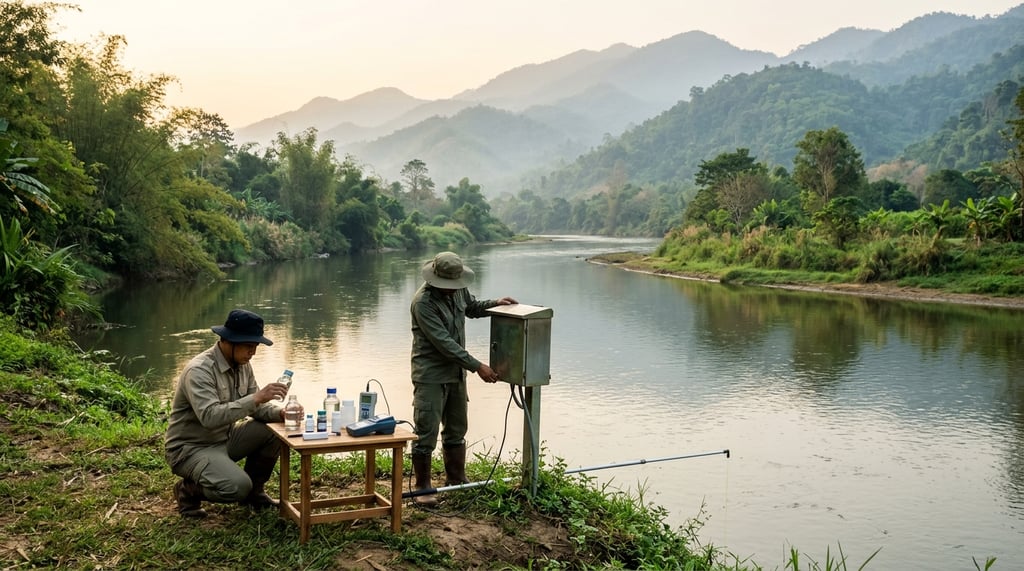
Thailand's Ministry of Defence is enacting an export ban on industrial chemicals used in mineral extraction and ore smelting destined for Myanmar, shutting down cross-border supply routes that have fed illicit mining operations and triggered widespread toxic contamination along shared northern waterways. The formal decree, taking effect on November 30, establishes criminal penalties for unauthorized outbound shipments under anti-smuggling statutes as security forces fortify border checkpoints and mountain passages in Chiang Rai and Chiang Mai provinces.
The sweeping trade restriction follows bilateral discussions between Prime Minister Anutin Charnvirakul and Myanmar military leadership on the sidelines of the eleventh Ayeyawady-Chao Phraya-Mekong Economic Cooperation Strategy summit in Hanoi. During the high-level meeting, Myanmar officials confirmed that licensed industrial processing facilities maintained functional containment systems, acknowledging that severe transboundary pollution originated from unregulated, illicit mining ventures operating across border enclaves in Shan State. Naypyidaw agreed to form a joint bilateral working committee with Thailand to shut down illegal processing compounds and synchronize transboundary water-quality monitoring.
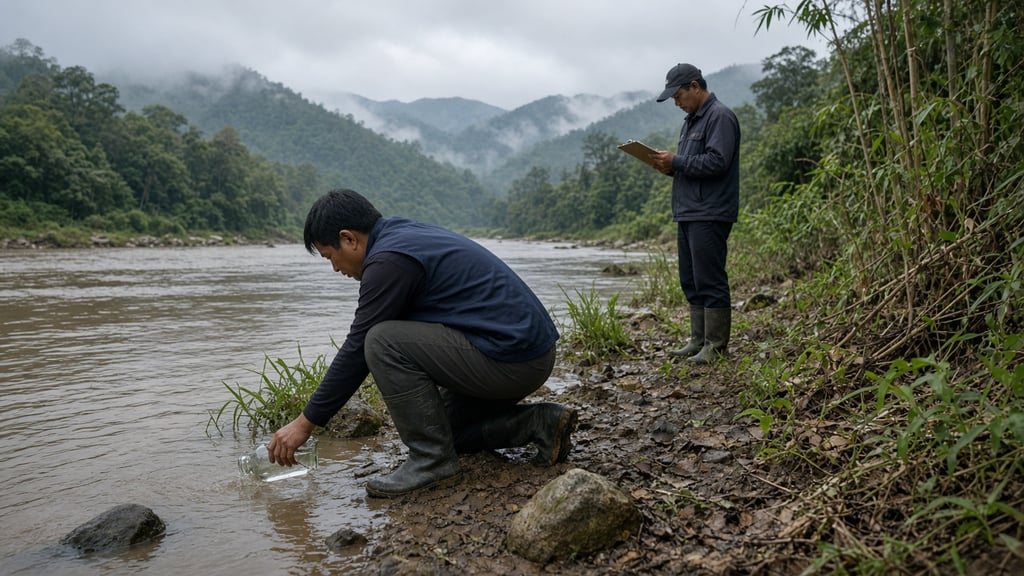
Cross-border rivers including the Kok River, Sai River, and Ruak River have recorded alarming chemical spikes over recent months, with downstream monitoring stations in Mae Sai and Chiang Rai detecting toxic concentrations of arsenic up to thirty times above safe drinking thresholds alongside elevated lead, manganese, and sulfur compounds. Extensive scientific water sampling confirmed that over seventy percent of the industrial reagents and chemical leaching agents utilized by illegal open-pit rare-earth and gold processors across the frontier were originally imported through Thai overland customs terminals, creating an unsustainable loop of commercial supply and downstream environmental devastation.
The chemical embargo represents a decisive pivot in regional environmental policy, deploying border security and trade interdiction rather than relying solely on post-contamination cleanup. The National Security Council and Ministry of Industry compiled the restricted substances index, placing strict export prohibitions on chemical agents including sodium cyanide, ammonium sulfate, sulfuric acid, and specialized mineral solvents. Any commercial vehicle attempting to haul listed compounds across provincial land crossings without extraordinary military authorization faces immediate impoundment and felony smuggling prosecutions.
Thai public health and waterworks authorities have mobilized extensive defensive measures across vulnerable riverside communities. The Provincial Waterworks Authority established auxiliary deep-groundwater wells and automated filtration units across Mae Sai and Mae Ai districts to insulate domestic municipal water networks from river fluctuations. Meanwhile, the Ministry of Higher Education, Science, Research and Innovation deployed real-time chemical sensors along the Kok River corridor, providing continuous telemetry to alert downstream water distribution plants before contamination surges reach municipal intakes.
What This Means for Expats in Thailand
For international residents, retirees, and hospitality operators across Chiang Rai, Chiang Mai, and the greater Upper North, the chemical export ban offers substantial reassurance regarding long-term municipal water safety and ecological stability:
- Municipal Tap Water Reliability: While municipal tap water in Chiang Rai and Mae Sai is sourced primarily from deep treated aquifers and monitored reservoirs rather than raw river intakes, residents relying on private riverbank boreholes should continue utilizing reverse-osmosis filtration and certified bottled water for consumption.
- Agricultural Produce and Local Markets: Rigorous provincial sampling of Mae Kok irrigation canals and Chiang Rai agricultural basins confirms that regional rice and produce meet national Codex safety standards. Nevertheless, health authorities maintain advisory limits on the consumption of bottom-feeding river fish, freshwater snails, and wild aquatic plants harvested from the Kok River basin until cross-border runoff abates.
- Northern Travel and River Tourism: Longtail river cruises, scenic excursions, and riverside resort activities along the Kok River continue as normal, with authorities advising visitors to avoid swimming or prolonged dermal contact with untreated natural river currents during heavy rainfall periods.
- Border Trade and Logistics Constraints: Forwarders and commercial logistics businesses transporting general merchandise into Myanmar through Mae Sai, Mae Sot, and Ranong should anticipate enhanced cargo screening and vehicle inspections by military personnel searching for undeclared industrial chemicals.
Comment verification
Step 1 of 3
Verify your email once to publish your comment. Your email is never shown publicly.
Enter the 6-digit code sent to .
Choose the display name shown next to your comments.