Wan Muhamad Noor Matha: Navigating Thailand's Heated 2025 Censure Debate with Precision
In the bustling corridors of political power, House Speaker Wan Muhamad Noor Matha has been playing the role of moderator, urging the opposition to play by the rules of the censure debate. As whispers swirl around the…
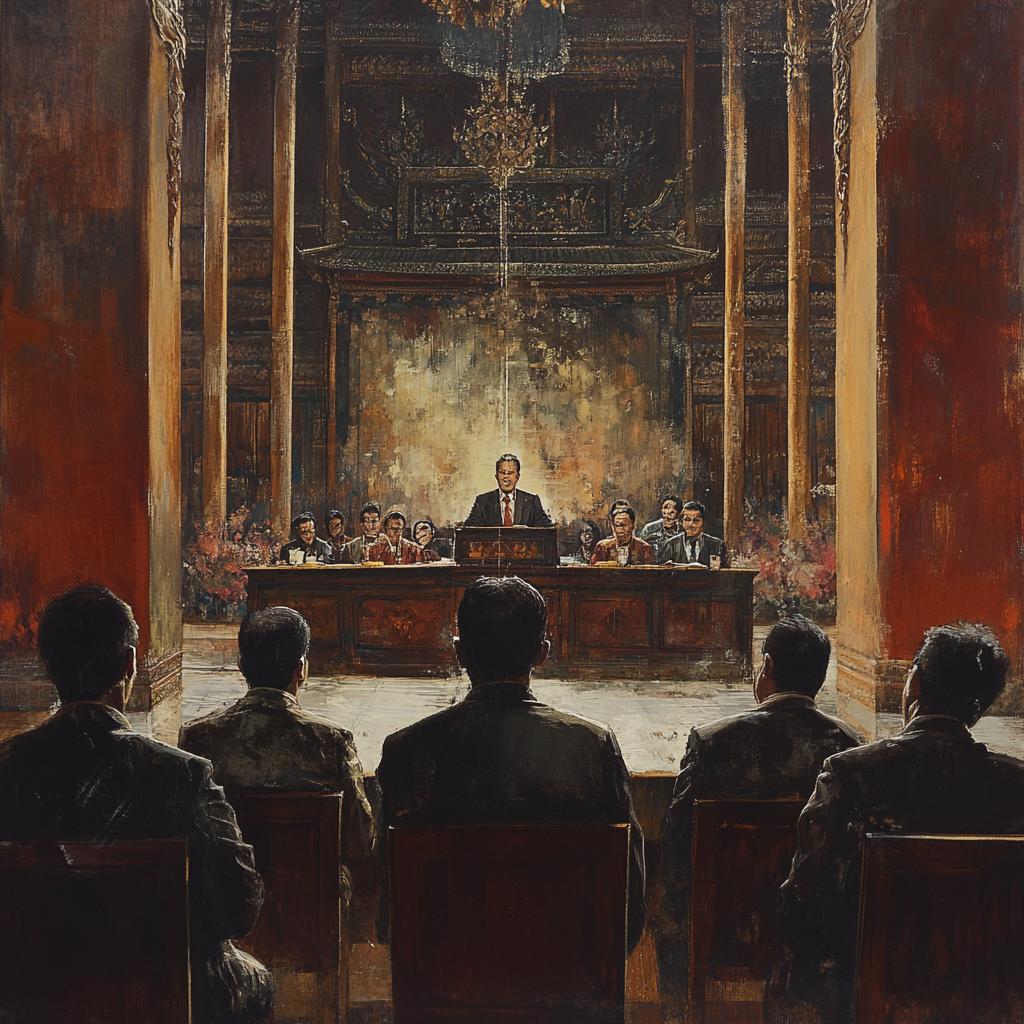
In the bustling corridors of political power, House Speaker Wan Muhamad Noor Matha has been playing the role of moderator, urging the opposition to play by the rules of the censure debate. As whispers swirl around the re-emergence of former prime minister Yingluck Shinawatra into the narrative, the spotlight is firmly trained on the parliamentary dynamics at play.
With a seasoned politician's precision, Mr. Wan Noor articulated the commonality of referencing "outsiders" during fiery no-confidence debates, alluding to the ever-persistent influence of Thaksin Shinawatra, Yingluck's brother. However, he emphasized that lawmakers must tread carefully, adhering to the strict confines of parliamentary ordinances. The responsibility of ensuring propriety falls on the shoulders of the chairman who oversees these proceedings, a role not for the faint-hearted.
Mr. Wan Noor's call was simple yet profound: he urged all sides to engage in a debate that is not only constructive but also enlightening. The opposition was encouraged to shed light on the government's perceived inadequacies, while he expected the government to respond with clarity, outlining its past endeavors and future aspirations—a veritable theatre of political exchange.
Adding a dash of intensity to the forthcoming debate, People's Party list-MP Rangsiman Rome promised a no-holds-barred showdown that would leave an indelible mark on the government. With an air of stoic assurance, he declared that the prime minister might find the unfolding debate as challenging as tightrope walking on a breezy day. "The information we have is compelling enough to create quite a predicament," Rangsiman insisted, his words charged with anticipation of the political skirmish to come.
An intriguing reference to "elephant tickets" punctuated his predictions. These "tickets" are more than just metaphorical; they symbolize suspected transactional misconduct within the police force, a thorny issue previously raised by Mr. Rangsiman in connection with former leader Prayut Chan-o-cha's administration. The debate, according to him, threatens to escalate even beyond this infamous controversy.
While the tactics and stratagems of the opposition take center stage, the underlying objective remains rock-solid: to engage public interest and potentially sway the coalition partners towards a no-confidence vote. Rangsiman's emphasis on the public interest as the heart of the debate reinforces the democratic ethos of transparency and accountability.
Amidst the impending clash of political titans, the opposition has been allotted 28 hours over two days to direct their crosshairs at the prime minister, with proceedings expected to intensify into a crescendo of verbal sparring by midnight on March 25. With the vote looming large on March 26, the political atmosphere is charged, brimming with anticipation of what these pivotal hours hold.
On the opposite end, Democrat Party deputy leader Chaichana Dejdecho stands in staunch defense of the prime minister. His voice rings out in defiance of allegations, asserting that the specter of Thaksin is a non-factor in the current government’s decision-making, thus drawing a line in the sand in this high-stakes political standoff.
As the parliamentary floor gears up for what promises to be a riveting display of political theater, all eyes are on the sparring factions. Whether this debate will reveal cracks in the government's armor or solidify its foundation will soon be laid bare, as the political clock ticks relentlessly towards a verdict.



Comment verification
Step 1 of 3
Verify your email once to publish your comment. Your email is never shown publicly.
Enter the 6-digit code sent to .
Choose the display name shown next to your comments.