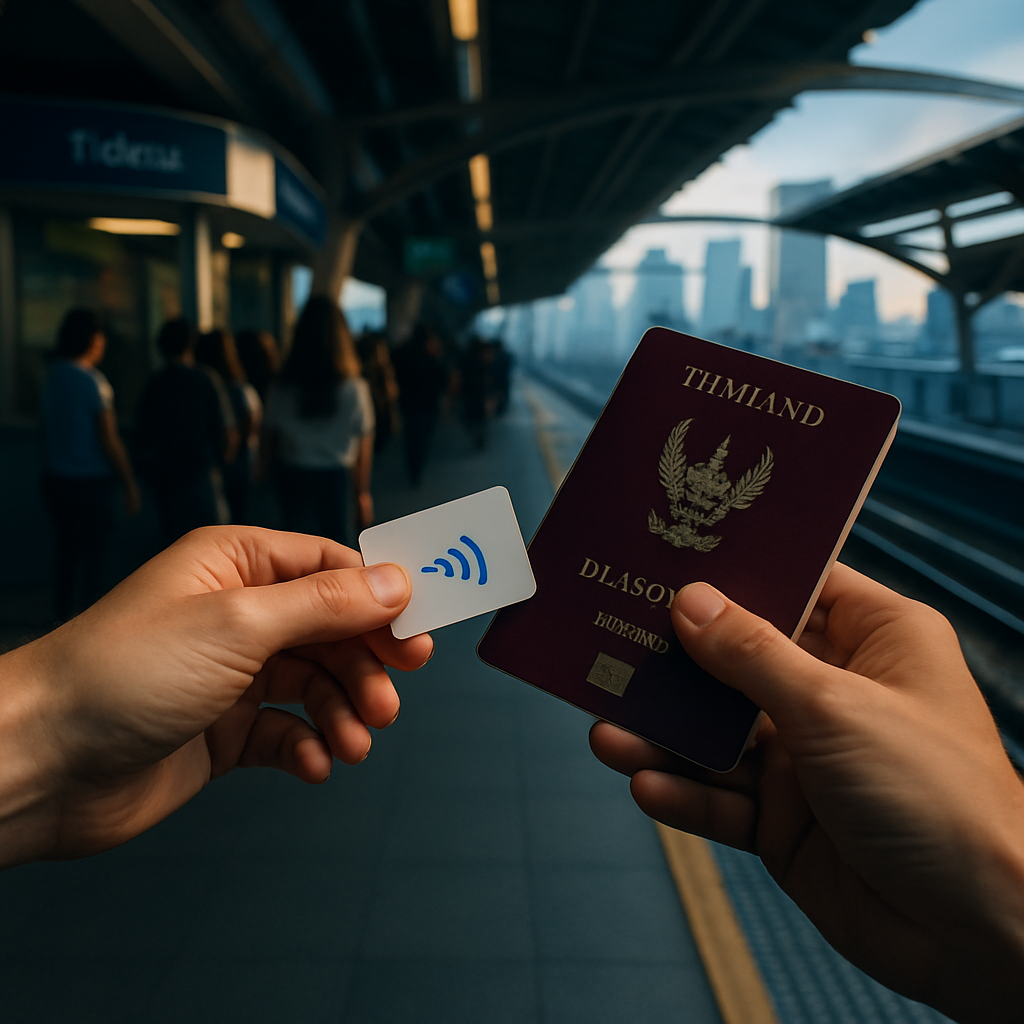
On the chilly morning of December 30, what began as a routine trip on Bangkok’s BTS turned into a social-media storm for one long-time commuter. Zaw Htun Lat, a Myanmar national who has relied on his Rabbit Card for years to zip around the Thai capital, says BTS staff confiscated his stored-value card after he handed over his passport. The card, he says, was blocked on the spot and taken away — with staff telling him a change in terms and conditions meant he could no longer use it. He was promised a refund of the remaining balance “within a week.”
That might have been a one-off inconvenience, if not for what happened next. Zaw posted the incident on Facebook, and the comments soon revealed a pattern: other Myanmar citizens reported similar experiences. The tale spread quickly, transformed into a chorus of frustration and questions about fairness, logic, and basic commuter convenience.
Why a Rabbit Card, but not a Rabbit Card?
The heart of the complaint is a head-scratching inconsistency. According to Zaw and several others, people from certain “high-risk” countries — reportedly Myanmar, North Korea and Iran, and even some politicians from southern provinces like Pattani, Yala and Narathiwat — are being prevented from holding or using Rabbit Cards. Yet, these same passengers can still buy single-trip tickets or day passes to board the BTS. In Zaw’s words, if the measure is about security, why allow single-trip access at all?
For regular riders who prize speed and convenience, losing a Rabbit Card is more than a small inconvenience. It means longer queues, fumbling for cash or ticket machines, and the daily irritation of a system that suddenly treats you like a stranger. Zaw summed up the mood succinctly: the change felt “completely unreasonable.”
BTS responds: it’s about electronic money and KYC
BTS pushed back with a clear explanation: the Rabbit Card functions as electronic money. As such, users are required under financial regulations to verify and update identity information — the familiar “Know Your Customer” (KYC) process. BTS said this policy is applied to all users and denied any discrimination based on nationality or background, noting that both Thai and foreign passengers can update their KYC information at ticket offices across stations.
The company’s statement frames the move as bureaucratic compliance rather than targeted exclusion. But for passengers affected, the distinction is academic if the result is being barred from using a card they trusted for years. The promise of refunds and the availability of KYC updates are small comforts against the immediate reality of a confiscated card and disrupted commute.
Safety on the skytrain: another local headache
Not far behind the Rabbit Card furor, another thread related to BTS operations grabbed attention: the question of police and firearms on the Skytrain. Thai police officers raised safety concerns after being told they could not carry firearms while using the BTS. The issue gained traction after a social-media post by Worraphop “Mark” Yunkiat, a Thai national serving with the Los Angeles Police Department, highlighted the prohibition.
For citizens watching these threads, the juxtaposition felt uneasy: security measures that affect everyday commuters on one hand, and restrictions on the tools of law enforcement on the other. Both stories raise the same uncomfortable question — how do you design safety rules that protect people without alienating the very communities they serve?
What this means for commuters and short-term visitors
Practical takeaways are straightforward. If you’re in Bangkok and use a Rabbit Card, check your KYC status. If you’re a foreign national, visit a BTS ticket office to update your information sooner rather than later; the company says both Thai and foreign users can complete the process at station booths. If you rely on the Rabbit Card for daily convenience, don’t risk suddenly being forced into single-trip purchases during rush hour.
For the authorities and BTS, the episode is a reminder that policy must be both legally sound and visibly fair. A rule that’s legally justified can still feel discriminatory if it’s applied unevenly or explained poorly. Clearer communication and smoother KYC onboarding for visitors could help deflate similar disputes in the future.
Final whistle
At its core, this isn’t just a technical dispute about cards and tickets. It’s a snapshot of life in a global city where residents and visitors from many countries intersect on the same platforms. Rules that govern electronic money and safety are important — but so is trust. Until BTS and commuters find a way to reconcile both, expect more conversations (and social-media threads) about who gets to ride effortlessly and who is nudged back to the ticket window.


















They took my Rabbit Card after I handed over my passport and said it was blocked because of new terms. I got promised a refund within a week but no clear explanation beyond ‘KYC’. I posted it because other Myanmar friends said the same thing happened to them and it feels like targeted treatment.
This is exactly what happened to my cousin last month and he lost time at work because of queues. It seems to disproportionately affect Myanmar nationals, which feels discriminatory. BTS should publish clear criteria if this is about risk and KYC.
From a regulatory viewpoint, treating stored-value cards as e-money does trigger anti-money-laundering obligations, but implementation matters. If BTS enforces KYC inconsistently or without notices, they risk legal and reputational fallout. Clear standardized procedures and staff training should be mandatory.
Thanks Somchai, we want to comply with rules but staff just confiscated cards without giving a form or process to update info. If there is a legal reason, show us the alternative — they still let people buy single tickets with cash.
I work on BTS sometimes and this policy change was rushed and badly communicated. People are angry because it slows everything down during rush hour and looks like profiling. Better signage and a mobile KYC option would solve most complaints.
A mobile or online KYC would be ideal, especially for short-term visitors who rely on convenience. Ticket office lines are the worst at 8:00 am and this will create chaos if many cards get blocked. BTS should publish a simple how-to and station staff should carry printed instructions in multiple languages.
I used to work at a BTS ticket booth and the ability to refuse service is often left vague in the manual. Management told us to escalate but didn’t give clear scripts, so staff panic and over-enforce. This ends up punishing customers rather than protecting the system.
Exactly — staff need scripts and managers need to stand behind a clear, equitable policy. Otherwise every frontline worker improvises and people suffer.
Policy design must balance compliance with fairness. Blanket exclusions based on nationality or ‘high-risk’ labels require transparent criteria and appeal mechanisms. Otherwise the policy violates administrative fairness even if legally defensible.
This feels unfair. I ride BTS and if someone gets their card taken, they can’t get to school maybe. Why not just let everyone ride and check later?
I teach civics and one lesson here is about transparency: rules that affect daily life must be explained plainly. Late refunds and confusing practices erode trust in public services. BTS owes commuters a clear timeline and a faster refund procedure.
Yes, a refund should be fast. Waiting a week is too long for people who use it every day.
As a tourist I relied on Rabbit to avoid carrying cash, and hearing about random blocks makes me nervous to buy one. This will push visitors to alternative transport or cash, which is worse for convenience and safety. It looks like a public relations disaster for BTS.
Of course they blame KYC — every system prefers paperwork over common sense. This is just the latest example of authorities hiding behind regulation to avoid accountability. If they wanted security they would use smarter tech, not confiscation.
Police and security concerns complicate things too; when officers are told they can’t carry firearms on the train that creates another layer of confusion. There are no easy answers but unilateral staff action without a grievance channel is untenable.
The firearm rule is odd — it protects commuters but might make officers feel unsafe or hamstrung. Both the card KYC and policing rules need coherent, public explanations that tie back to clear safety goals.
Exactly, and enforcement must be consistent. Otherwise you get two bad outcomes: people feel targeted and officers feel undermined.
As someone who posted about officers and firearms, I can say the optics matter. Rules are fine but they must be framed to maintain public trust; otherwise people assume ulterior motives.
I live in Bangkok and have seen people from Pattani and Myanmar get stopped more often. Even if some rules exist, their subjective application causes resentment. Public transport should be the equalizer, not a site of exclusion.
My neighbor from Yala had his card blocked last week and the staff were rude about it. It felt less like compliance and more like profiling. The difference in tone matters.
Police-related restrictions and KYC rules are separate issues but both raise trust questions. If BTS wants compliance, they must invest in multilingual outreach so non-Thai commuters know how to update KYC. Silence breeds conspiracy theories.
They should have rolled this out with more notice. Surprises like this always go badly on social media.
This smells like bureaucratic bias disguised as regulation. Do we really believe that a small stored-value card poses a terrorism risk? Sounds like an excuse to control movement. Where’s the transparency and oversight?
I get the skepticism, but money regulations do exist for a reason. The issue is how the rule is applied, not whether AML laws should exist at all.
Fair point, but there are proportionate ways to handle AML without hamstringing daily commuters. Proportionality and documentation are missing here.
If this were about real security they’d roll out a quick revalidation kiosk or a QR process. Confiscation is lazy enforcement, and lazy enforcement often hides bias.
Practical note: commuters should take photos of remaining balances if possible and get a written receipt when a card is confiscated. It will help if refunds are delayed and there’s any dispute. Also insist on a clear timeline and a contact email.
Good practical tips, Amy. But how many people know to document these things on the spot? The burden is being shifted onto commuters who may lack language skills or legal knowledge.
Exactly, which is why BTS should proactively provide multilingual receipts and an online tracking number for refunds. That simple step would reduce social media outrage.
One more thing: stations should have a dedicated KYC lane during peak months and temporary staff who speak common languages like Burmese and Arabic. It costs money but prevents chaos.
Policy audits by independent bodies could help here: auditors could check whether KYC enforcement correlates with nationality or residence status. If audits show bias, then training and disciplinary measures must follow.
I agree with auditing. We need data, not anecdotes, to make policy changes.
I heard some stations already started explaining it but not all staff get the memo. Consistent updates to front-line employees are vital. Otherwise one bad actor ruins it for everyone.
Also consider the tourism angle: small inconveniences add up in reviews and can depress ridership. BTS should weigh reputational costs before rolling out strict measures.
I’m going to follow up with BTS publicly and ask for a Q&A session with affected communities. Transparency forums can defuse narrative-building on social platforms.
If you do that, please emphasize the human impact — people missed jobs and appointments because of the confiscations. A forum with translated materials would be very helpful.
A forum is a reasonable step, provided it includes independent experts who can explain legal obligations and suggest alternatives. Otherwise it becomes a PR exercise.
Agreed, I’ll push for neutral moderators and a documented outcome so it isn’t just talk.
I still think this is a power play: new tech, new rules, and suddenly citizens with fewer protections get the short end. Watch how long it takes for a simple fix like online KYC to appear.
My elderly neighbor was confused by all of this and worried she’d lose money. Elderly and low-tech commuters are invisible in these conversations, so any change should include outreach to them.
Maybe schools should teach basic rights about refunds and receipts. That would help students and parents when things like this happen.
Last thought: give staff a checklist, a refusal script, and a clear escalation path. That alone would stop a lot of the random confiscations. People won’t stop complaining unless enforcement is predictable.