Phuket Orders Checks on 200 Altered Buildings
Phuket must inspect about 200 converted shophouses after the Patong fire that killed 11, checking blocked exits, fuel cabinets, and Building Control Act breaches.
Phuket's cheapest beds often sit above a shop, a rental desk, or a kitchen. Twelve days after a Patong shophouse fire killed 11 people, the Interior Ministry has put a number on that pattern: about 200 commercial buildings whose converted rooms, mismatched licences, or on-site fuel cabinets look too much like the premises that burned.
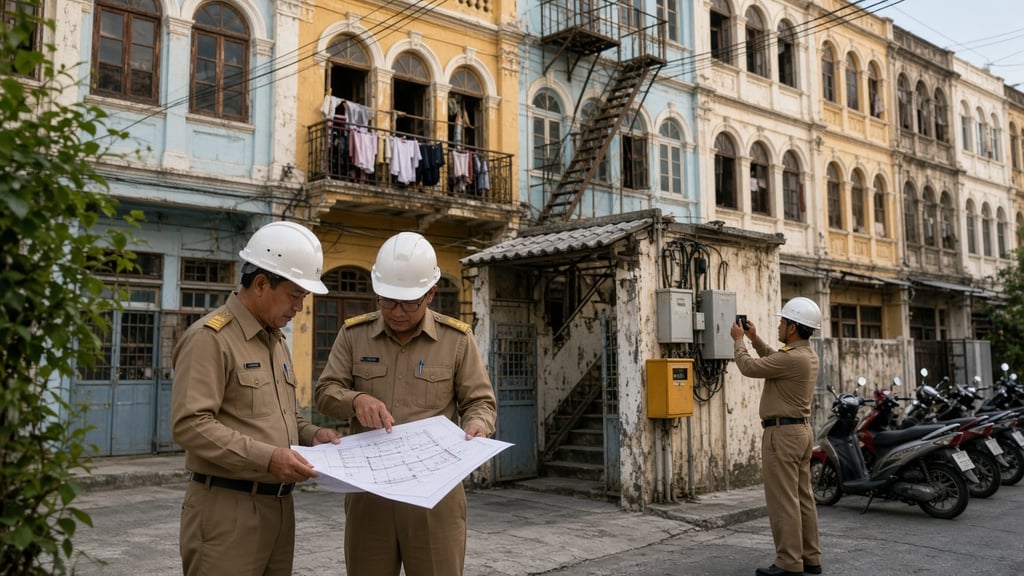
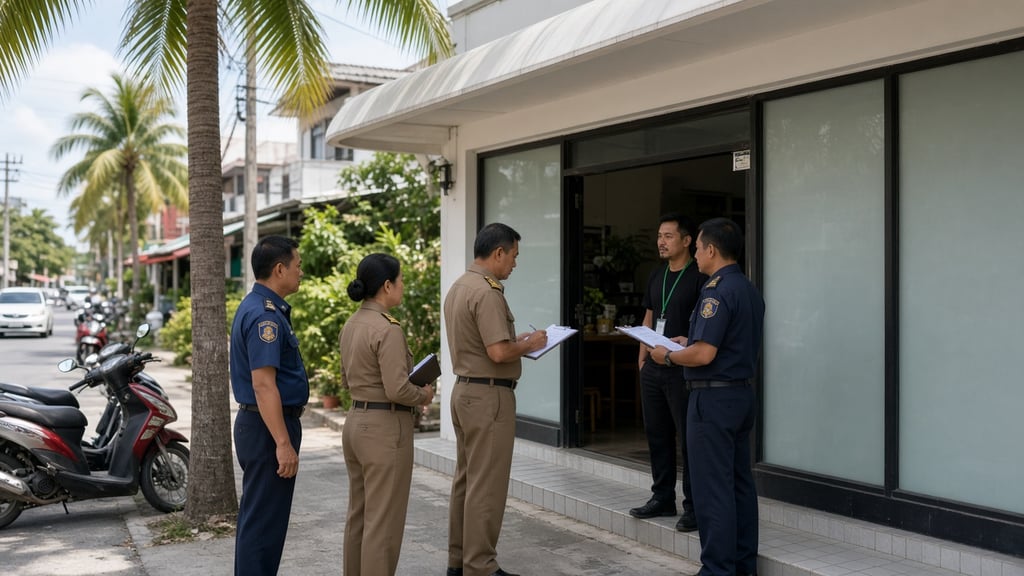
Deputy Interior Minister Phonphir Suwannachwee issued the instruction on 27 November 2026 at Phuket Provincial Hall, with Governor Chotinarin Kerdsom in the room. Inspectors are to locate each site, test whether the licence on the wall matches the business actually running, and check fire exits, fuel storage, and structural changes. Owners found in breach are to face legal action, not a warning letter that expires with the news cycle.
What the 200-building list actually covers
Thai-language briefings are more specific than the English headlines. The priority set is buildings partitioned into guest rooms or staff dormitories, businesses operating outside their permits, and premises that installed fuel cabinets where a spark would feed a fire. A Manager Online Phuket desk report said provincial teams must record where each of those 200 sites sits, whether its paperwork is valid, and whether its fire precautions are adequate.
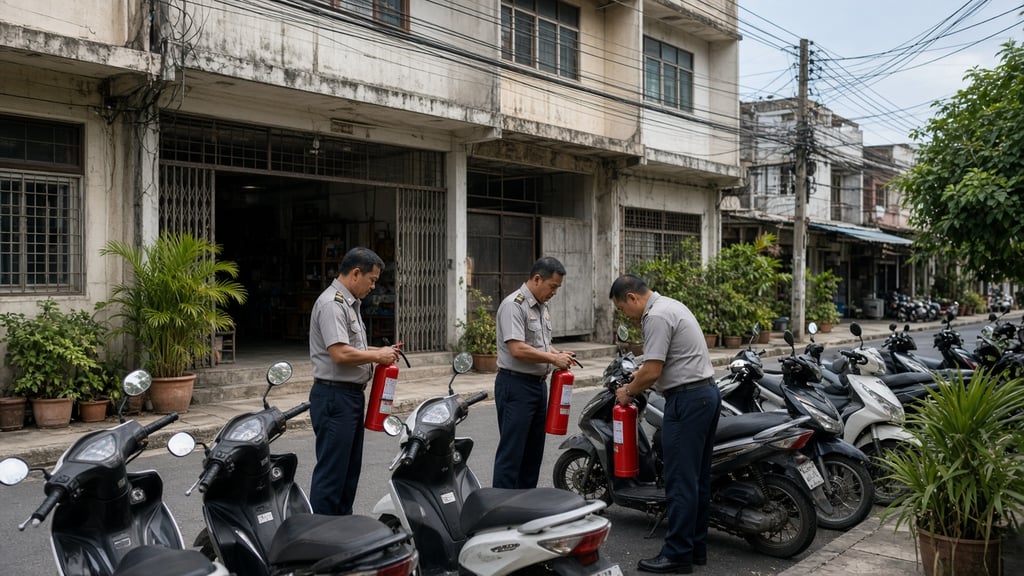
That order sits on top of an island-wide instruction issued the morning after the blaze. Interior Permanent Secretary Arsit Samphantharat told the governor to send municipal engineers into commercial rows converted into dormitories. District offices will work with the Energy Office on fuel and LPG, the Provincial Electricity Authority on transformers, and the Transport Office on rental fleets.
The legal teeth are older than the tourism boom. Under section 65 of the Building Control Act B.E. 2522, unauthorised building, alteration, or change of use can mean up to three months in prison, a 60,000 baht fine, or both, plus 10,000 baht a day until the work is put right. Local officers can order a stop-use, give at least 30 days to correct it, or order demolition. A daily-rate room sign on a building permitted only as a residence can also pull in the Hotel Act B.E. 2547.
Why this Patong row became the template
The fire started before 3.20am on 16 November on Phang Muang Sai Kor Road in tambon Patong, Kathu district. The ground floor held a motorcycle rental shop with about 100 bikes, petrol, and lubricants. Upper floors were rooms. Bangkok Post's casualty report and later police tallies settled on 11 dead and 18 injured. One injured person was a Myanmar national. The rest were Thai. No tourists were listed among the dead or wounded. Investigators ruled out arson. A roadside transformer remains the leading working theory.
Patong Municipality later described a four-storey commercial pair permitted in 2006 as a residence, not a hotel. Floors two to four held 15 rooms. The roof deck had been enclosed until the count reached 19. Rescuers found one body on the third floor and ten on the fifth. A rear ladder was the closest thing to a fire escape. That mix of shop, fuel, and sleeping rooms is ordinary in Patong and repeats in Phuket Town, Kathu, Chalong, and Thalang, where post-pandemic demand filled extra rooms above family shops.
The same meeting wrapped the fire file into a larger cleanup. Officials gave the governor seven days to produce an inspection plan for more than 3,000 hotels and other businesses flagged for possible unlicensed work, unauthorised extensions, and foreign-ownership questions. The fire-safety tranche cannot wait for that plan. Investigators still have to weigh the liability of the owner, operators, tenants, and anyone who altered the building.
What This Means for Expats and Travelers in Thailand
If you sleep in a converted shophouse, a staff room above a rental shop, or a nightly room that was never a licensed hotel, the next few weeks are when municipal engineers are supposed to knock. Ask to see a fire-escape stair that reaches the ground, not a roof ladder. Check whether a fuel cabinet or a row of full petrol tanks sits under your window. Licensed hotels with 80 or more rooms already fall under annual inspection rules used elsewhere in Thailand. The buildings on this list are the ones that usually are not.
Operators should expect officers to photograph stairwells, compare the building permit with the current layout, and ask for fuel and hotel paperwork. A correction order can freeze use of the altered floors. A daily fine can outrun a high-season room rate. Travellers booking Patong, Kata, Karon, or Phuket Town walk-ups should treat a missing rear stair as a reason to walk away, even when the price looks right. The people who died in Patong were not tourists. The building type that trapped them is the one visitors still rent by the night.
No comments yet. Be the first to join the conversation.