Suvarnabhumi Bars Pets From Terminals Unless They Are Flying
Airports of Thailand now bars animals from Suvarnabhumi's passenger halls unless they are flying in a secure carrier, are guide dogs, or hold special permission. A cage or stroller is not an exemption for drop-offs.
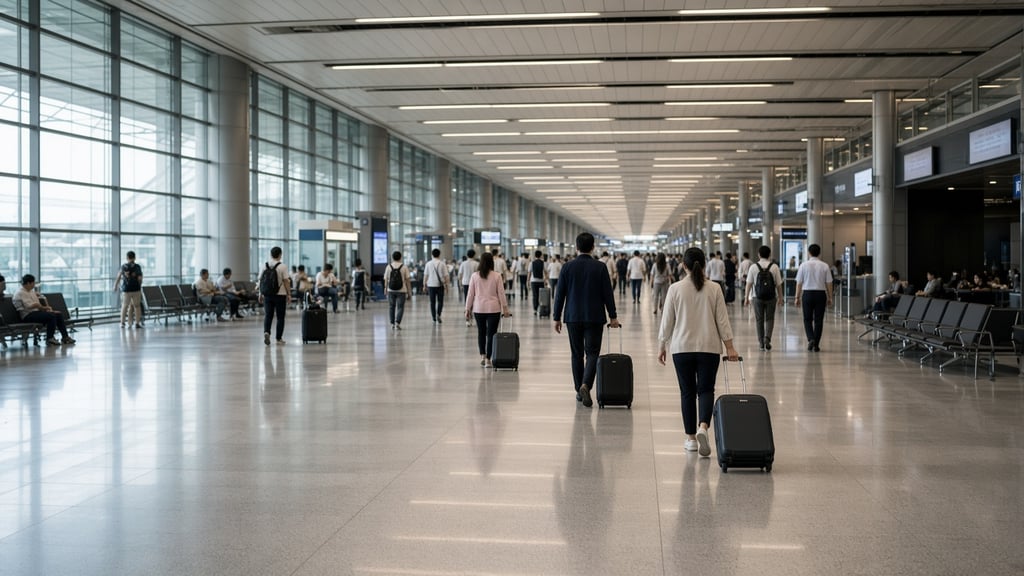
Airports of Thailand has restated a hard line at Bangkok's main gateway: pets do not belong in Suvarnabhumi's designated terminal areas unless they are actually boarding a flight, assisting a person with a disability, or holding written airport permission. The operator published the rule on its Suvarnabhumi airport-guide page and pointed the public to AOT Contact Center 1722.
The restriction covers the main passenger terminal, the concourses, restricted airside zones, and any other space the airport director names. It applies to every class of animal, from dogs and cats to birds, land and aquatic species, and insects. A pet brought along to wave someone off at departures, or to wait at arrivals, is not exempt even if it sits in a carrier, a bag, or a pet stroller.
Three groups still get through. Animals travelling by air must stay inside a secure cage or carrier so they cannot escape, injure anyone, or unsettle other users. Guide dogs for people with disabilities remain permitted. Specially authorised animals, including explosives-detection dogs and other working dogs under official supervision, continue to operate as usual.
Staff may issue a warning, ask a person to leave the restricted area, or refer a breach for legal action. The airport frames the measure as passenger safety and operational order at a building that handled about 62.9 million travellers in 2025, according to AOT figures compiled on Wikipedia's Suvarnabhumi Airport page.
What the official notice actually covers
The live Suvarnabhumi FAQ, updated on the airport's own microsite in mid-November 2026, is short on purpose. Pets are not allowed in designated areas except animals travelling by air in a secure carrier, guide dogs, and animals permitted under airport regulations. Owners must keep any authorised animal under close supervision. That is the whole public rule set.
AOT still operates five other commercial airports: Don Mueang, Chiang Mai, Chiang Rai, Phuket, and Hat Yai. The notice that circulated this week is specific to Suvarnabhumi. Travellers using other AOT fields should not assume the same signage. The clean check is a call to the airport pet guide or 1722 before anyone loads a dog into a car for an airport run.
If the animal is actually flying
The Civil Aviation Authority of Thailand still points owners to airport rules first, then to the Department of Livestock Development for export paperwork. CAAT's passenger guidance lists three air-transport modes: small pets in the cabin on airlines that offer the service, typically up to about 7 to 8 kilograms including the carrier; larger animals as checked baggage on the same flight; and cargo shipments when the owner is not travelling with the animal. Cabin access is never automatic.
For an international departure from Suvarnabhumi, DLD's Animal Quarantine Station sits on the first floor of Customs Export Building CE-1 in the free zone at Racha Thewa, Bang Phli, Samut Prakan. Exporters file Form Ror.1/1 through the e-Movement system, present the animal for a physical exam, and collect an export permit (Form Ror.9) plus an English health certificate. Station guidance says to bring the pet 1 to 5 days before departure, Monday to Friday, with typical fees of 250 baht per pet and 10 baht per shipment, cash only. Dogs and cats need a valid rabies vaccination record.
Inbound traffic is a separate track. The Thai government portal, citing Suvarnabhumi Airport Cargo Clearance Customs Office, treats living animals as restricted goods. An import permit from DLD is required, and pets are not duty-exempt. After immigration and baggage, arrivals take the animal to the Animal Quarantine Station. If checks pass, officers issue Form Ror.7, then the owner presents the pet at the Goods to Declare channel.
What This Means for Expats and Travelers in Thailand
If you are only collecting or dropping a person, leave the animal at home. A carrier does not create an exemption. Do not park a dog in a hot car on the multi-storey decks while you walk into the hall. Meet your guest at the kerb, or leave the pet with someone off airport grounds.
If you are flying the animal, start with the airline, not with the terminal door. Confirm cabin, hold, or cargo, crate dimensions, and the handover point. Then book the DLD station visit on a weekday, because CE-1 is not a weekend walk-up. Guide-dog users should carry the documentation they already use for assistance animals. Emotional support designations from other countries are not the same as a Thai guide-dog exemption.
Residents who used to treat Suvarnabhumi as a Sunday outing with the family dog will feel this first. The airport opened in 2006 and now moves tens of millions of people a year through one main terminal. If the animal does not have a seat, a hold booking, or a working role, it stays outside.

Comment verification
Step 1 of 3
Verify your email once to publish your comment. Your email is never shown publicly.
Enter the 6-digit code sent to .
Choose the display name shown next to your comments.