Wiang Fang mayor among 79 suspects in Chiang Mai fake ID crackdown
Courts approved 79 arrest warrants in Fang district over an alleged zero-prefix ID network. The mayor on the list is Wiang Fang's township mayor, not Chiang Mai City Hall.
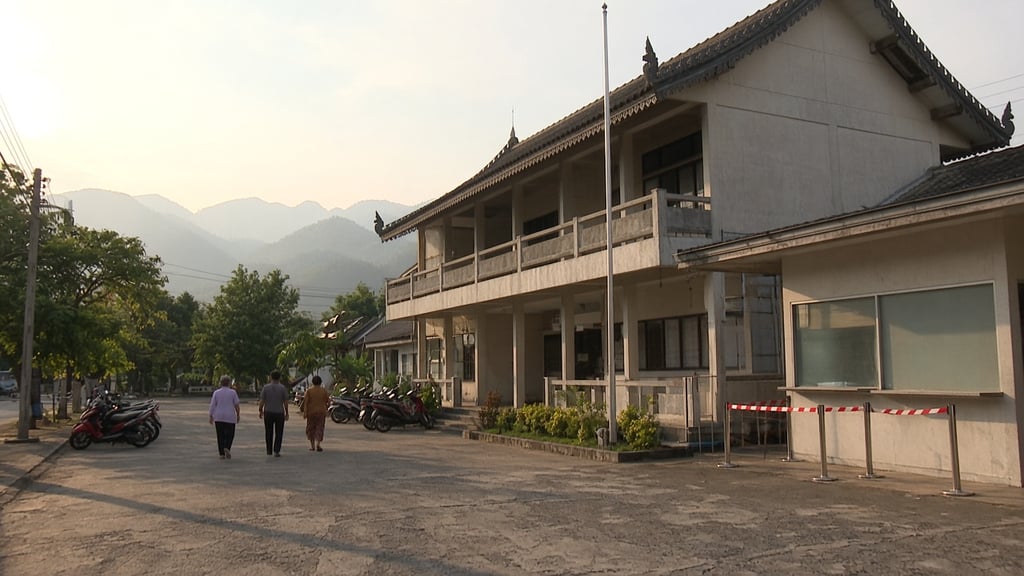
Thai officials confirmed a civil-registration crackdown in Chiang Mai's Fang district on 12 November 2026, after courts approved 79 arrest warrants covering 81 people accused of feeding foreign nationals into the identity system. The Department of Provincial Administration led the raids, with police, the Public Sector Anti-Corruption Commission, the Anti-Money Laundering Office, and the Department of Special Investigation.
A mayor is on that list. It is the mayor of Wiang Fang municipality, a tambon-level town in Fang district, not the mayor of Chiang Mai City. The two jobs are easy to mash together in an English headline and almost unrelated on the ground. Wiang Fang is a township administration in the far north of the province. Treating this as a scandal at the provincial capital overstates the office. The paperwork sits in two local registries on the Myanmar-facing side of Chiang Mai.
The house book, the zero card, and the visa backdoor
The documents at the centre of the case are zero-prefix identity cards, known in Thai as cards for people without registration status. They are not Thai national ID cards, visas, or citizenship. Thailand's 13-digit personal number, standardised since 1985, uses the first digit to mark a person's category. A leading zero is reserved for people outside ordinary nationality records. Banks, mobile shops, landlords, and some government counters treat a plastic card with a photo and a number as proof that someone belongs in the system.
The gateway is the house registration book, the tabien baan. Under the Civil Registration Act, that book lists who lives at an address. Once a name is on it, a registrar can issue a card. Investigators say the Fang network allegedly reversed the logic: householders, village heads, paid witnesses, and at least one public official certifying people who did not live there. Chiang Mai's public-relations office later published an alleged chat price: 120,000 baht per card, a 25 percent deposit, then a finished card in about six months.
That is the residency backdoor. A tourist who overstays a stamp is visible to Immigration. A person with a local identity card and a house-book entry can look, on paper, like a long-term resident of Fang. Brokers sell the card as if it replaced a visa. It does not. For northern districts that already handle highland communities and people without full legal status, the same forms that protect stateless residents can be abused to launder someone who arrived last year from abroad.
Fang is built for that blur. The district covers about 888 square kilometres in northern Chiang Mai, bordering Shan State in Myanmar. DOPA compared photographs and fingerprints from at least 273 suspicious no-status files dated 2021 to 2023 at the Wiang Fang municipal registry and the Fang district registry. Biometric matching flagged 33 as false. Those 33 entries were revoked.
Named officials, searches, and a court still to come
Search teams targeted homes and other sites linked to a network identified as Mingchen C4. The label matches a Chinese national already tied to a 2026 weapons and registration case. A warrant is a charging step, not a verdict. The Wiang Fang mayor, reported to have been served while receiving hospital treatment, has not been convicted. Due process still applies. Readers should treat every named official as a suspect until a court rules.
Deputy Interior Minister Worasit Liangprasit was scheduled to summarise the operation on 13 November at Chiang Mai Provincial Police headquarters, with DOPA's director-general, the national police chief, and Chiang Mai Governor Thotsaphon Phueanudom. The briefing sits inside a longer 2026 campaign, after related files in Chiang Rai and Chiang Dao showed how birth records and ethnic-minority procedures can be stretched to cover outsiders.
What This Means for Expats and Travelers in Thailand
A zero-prefix card is not a workaround for a visa, a retirement extension, a Destination Thailand Visa, or a work permit. If someone in Fang, Mae Ai, or Chiang Mai offers a local ID that skips Immigration, that offer is a crime, not a shortcut. Keep your stay in the lane that matches your passport: entry stamp, the correct visa, TM30 for your address, and 90-day reporting where required. Do not hand your passport to an agent who promises to add you to a house book.
This case does not mean every foreign resident in the north is under suspicion, and it does not implicate Chiang Mai City Hall. District registries are being audited. If police or DOPA ask about a card or a house-book entry you never applied for, get independent legal advice before you sign. If you rent in Fang or nearby districts, make sure your landlord's TM30 matches the address on your visa paperwork. Overstaying a tourist stamp is an immigration offence. Buying a fake identity record is a different crime, with a different paper trail, and this week's warrants are aimed at the second one.



Comment verification
Step 1 of 3
Verify your email once to publish your comment. Your email is never shown publicly.
Enter the 6-digit code sent to .
Choose the display name shown next to your comments.