Phuket Immigration Arrests Russian Woman After 2,379-Day Overstay in Patong
Phuket Immigration detained a Russian woman at a Sirirat Road condo in Patong after 2,379 days beyond her 12 October 2020 stay expiry, a case that shows why the 20,000-baht fine cap is not the real cost of a long overstay.
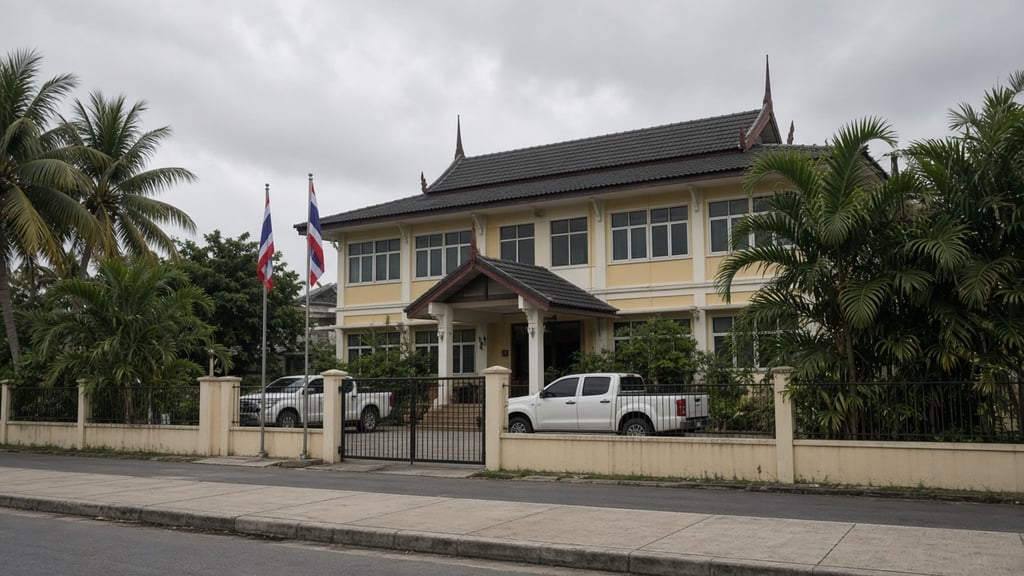
Phuket Immigration officers detained a Russian woman at a condominium on Sirirat Road in the southern stretch of Patong after bureau records showed she had remained in Thailand 2,379 days after her permission to stay expired. The arrest is one of the longest overstay cases reported on the island this year and sits inside a nationwide campaign against foreigners without a valid stamp.
Officers moved on the address after a public tip that a foreign national whose stay had lapsed was living in the building. A check of Immigration Bureau files showed her last lawful permission ran to 12 October 2020, following an entry under Thailand's visa-exemption scheme. Russian passport holders have long been able to enter without a pre-arranged visa for a short tourist stay, historically 30 days, a window that can be extended in country but is not a substitute for a residence permit.
She was charged with remaining in the Kingdom after permission had ended, booked at the Phuket Immigration office, and transferred to investigators at Patong Police Station.
The fine stops at 20,000 baht. The ban does not.
For many visitors, overstay is framed as a departure-desk problem: pay a daily fine and fly out. Official Thai Immigration guidance is blunt on the cash side. Bangkok Immigration's public FAQ states that the overstay fine is 500 baht per day, capped at 20,000 baht. That ceiling is reached after 40 days. A 2,379-day overstay therefore does not produce a larger cash penalty than a six-week overstay. What changes is the legal track and the re-entry ban.
Section 81 of the Immigration Act B.E. 2522 makes it an offence for an alien to stay without permission, or after permission has expired or been revoked. The statutory penalty is imprisonment of up to two years, a fine of up to 20,000 baht, or both. When a person is arrested rather than walking into an airport to surrender, Ministry of Interior Order No. 1/2558 applies the harsher ban table: an overstay of more than one year, once the person is arrested and prosecuted, carries a 10-year prohibition on coming back. Voluntary surrender after more than five years also draws a 10-year ban, but shorter surrender cases are treated more leniently than arrests.
A nationwide sweep, and a paper trail on landlords
Phuket's case is not an isolated raid. Immigration Division 6, which covers the South including Phuket, has been told to intensify area checks, database matching, and operations against foreigners suspected of overstaying or of being wanted under foreign warrants.
Officers also pointed to Section 38 of the Immigration Act, the rule that requires house owners, landlords, and hotel operators to notify immigration when a foreign national stays on their property. That notification, filed as a TM.30 in everyday expat language, is how many long-stay cases first appear in the system. A condo on a busy Patong road is not an off-grid hiding place once a neighbour, building manager, or informant calls it in. The bureau's public hotline for suspected immigration offences is 1178.
The same Phuket beat has produced other multi-year overstay arrests in recent weeks, including cases measured in the 1,700 to 1,800-day range.
What This Means for Expats and Travelers in Thailand
Anyone still in Thailand on an expired stamp should treat airport surrender and street arrest as two different outcomes. Walking into immigration or a departure checkpoint to pay the 500-baht daily fine (capped at 20,000 baht) is the path the FAQ describes for people who present themselves. Being found at a condo after years off the radar is the arrest table: criminal process, deportation at your own cost, and a 10-year ban once the overstay has passed one year.
Short-stay stamps are not a lifestyle. Visa exemption, including the 30-day entry historically available to Russian citizens , is a tourist concession. It is not a work permit, a retirement visa, or a way to wait out a property deal. If your stamp date has passed, every extra day after day 40 costs nothing more in the fine column and everything in the ban column if officers find you first.
Landlords and condo juristic persons in Patong, Kata, Rawai, and the rest of Phuket should assume TM.30 reporting is being checked, not ignored. A failure to notify can put the property owner in the same enforcement conversation as the tenant. Guests who have been quietly staying since 2020 are now a liability, not a reliable rental.
Travelers planning a winter trip should confirm the actual permission date in the passport stamp or arrival card record, not the visa sticker's "valid until" date. Thai Immigration has long warned that a visa's validity window is not the same as the permitted length of stay. If you are unsure, get an extension while the stamp is still valid. Do not wait for a knock on a Sirirat Road door.



Comment verification
Step 1 of 3
Verify your email once to publish your comment. Your email is never shown publicly.
Enter the 6-digit code sent to .
Choose the display name shown next to your comments.