Thai-Denmark Milk Producer Battles 1.4bn Baht Loss
Thailand state dairy agency DPO faces 1.4bn baht in losses as mandated milk buying and zero-tariff powder imports strain the Thai-Denmark brand.
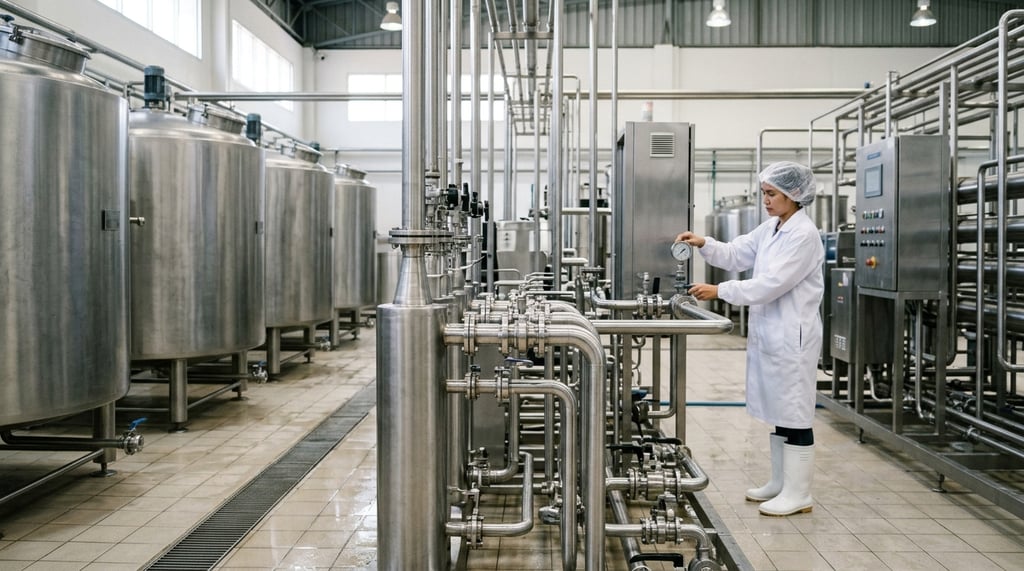
Across the rolling pasturelands of Muak Lek in Saraburi province, the red cow emblem of Thai-Denmark dairy has symbolized modern Thai agricultural self-reliance for more than six decades. Yet behind the familiar cartons stocked across supermarket coolers and convenience stores, the state enterprise behind the brand faces a severe fiscal reckoning. The Dairy Farming Promotion Organization of Thailand, known nationally as the DPO, has accumulated 1.4 billion baht in operating losses, with total liabilities approaching 3.5 billion baht, exposing the steep cost of using a state enterprise as a buffer for national farm policies.
The Policy Trap of Guaranteed Absorption
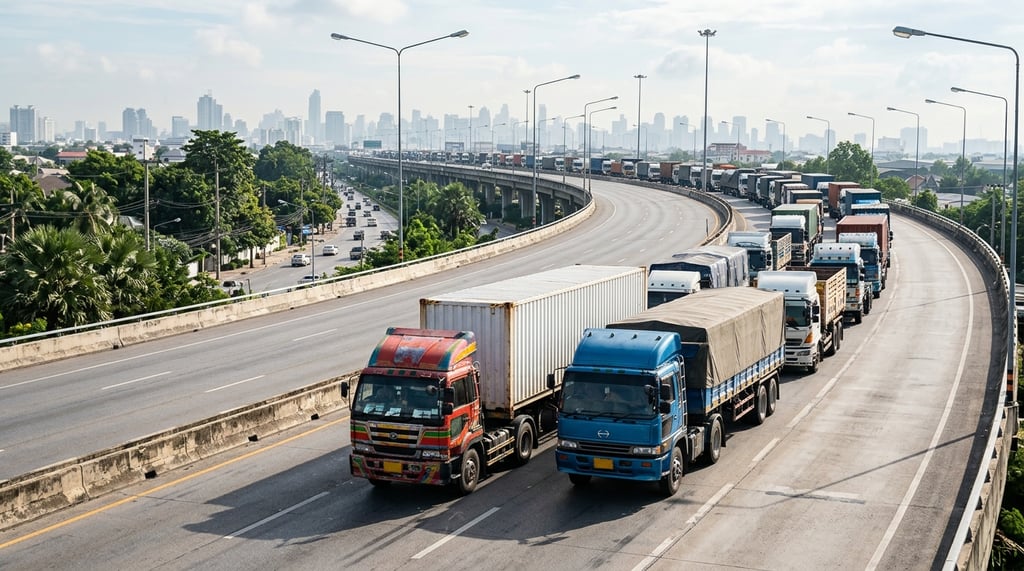
The root of the deficit lies not in plant inefficiencies, but in an enduring political mandate requiring the agency to serve as the buyer of last resort for domestic dairy farmers. Whenever private commercial processors trim procurement orders or global commodity prices shift, ministerial authorities direct the state firm to absorb surplus raw milk from farming cooperatives to prevent rural protests and highway blockades.
Director Watcharee Wannasri revealed that this absorption directive forced the DPO to accumulate physical inventories far beyond its commercial processing and distribution capacity. At the peak of the glut, the organization held over 68 million cartons of unsold UHT and pasteurized milk, representing nearly 1.9 million cases. Refrigerated warehouse leases alone cost more than 1.5 million baht monthly, steadily draining working capital. To halt this drain, management liquidated deadstock at steep discounts before expiration dates passed, absorbing immediate accounting haircuts to preserve cash.
Zero-Tariff Imports and Demographic Shifts
The domestic milk surplus has been aggravated by structural shifts in regional trade and demographics. On January 1, 2026, Thailand enacted the final tariff cuts under its free trade pacts with Australia and New Zealand, lowering import duties on skimmed milk powder to zero percent. With imported powder substantially cheaper than raw domestic milk, private food and beverage manufacturers reduced local intake, leaving roughly 183 tonnes of domestic raw milk unbought each day.
Simultaneously, traditional institutional demand has contracted. The national school milk program faces sharp demographic headwinds: over the past decade, primary school enrollment fell by 23.6 percent, declining from 7.95 million pupils in 2016 to 6.08 million in 2026. This birthrate decline removed millions of liters of guaranteed baseline consumption, intensifying competition among fifty regional dairy cooperatives and leaving the DPO to absorb the unsold volume.
Liquidity Pressures and Turnaround Strategy
The inventory glut triggered an acute liquidity strain across the dairy supply chain. Cash shortages caused the DPO to fall behind on procurement, generating over 600 million baht in arrears owed to cooperatives across Saraburi, Nakhon Ratchasima, and Lopburi before emergency liquidity eased tensions. Turnaround efforts have moved slowly; commercial banks declined restructuring loans without sovereign guarantees. Meanwhile, other state agencies requested free milk donations for flood relief without providing procurement budgets to offset production costs.
Management has abandoned expectations of state rescue packages, focusing instead on strict commercial self-reliance. Having cleared warehouse deadstock, the agency has stabilized monthly cash accounts into positive territory and is exploring higher-margin lines, including lactose-free pet dairy with Kasetsart University and specialized milk protein extraction for cosmeceuticals to diversify beyond saturated commodity markets.
What This Means for Expats in Thailand
The restructuring of Thailand flagship dairy producer carries direct takeaways for foreign residents, expatriate families, and hospitality operators:
- Retail Availability: Iconic Thai-Denmark pasteurized and UHT red cow cartons remain fully available across 7-Eleven, Tops, Lotus, and Big C; retail supplies face no disruption.
- Pure Milk Sourcing: Shoppers seeking 100 percent pure fresh milk rather than reconstituted milk powder should check labels; Thai-Denmark remains pure local cow milk.
- Milk Land Cafés: The branded Milk Land café chain continues operating across Bangkok transit hubs and shopping centers, though retail expansion is being reassessed.
- Hospitality Sourcing: Expatriate café owners, bakers, and restaurateurs reliant on fresh local dairy should track wholesale contracts as regional raw milk quotas adjust.
- Regional Travel: Residents driving along Route 2 through Saraburi and Muak Lek should note occasional farmer cooperative meetings near major dairy collection centers.

Comment verification
Step 1 of 3
Verify your email once to publish your comment. Your email is never shown publicly.
Enter the 6-digit code sent to .
Choose the display name shown next to your comments.