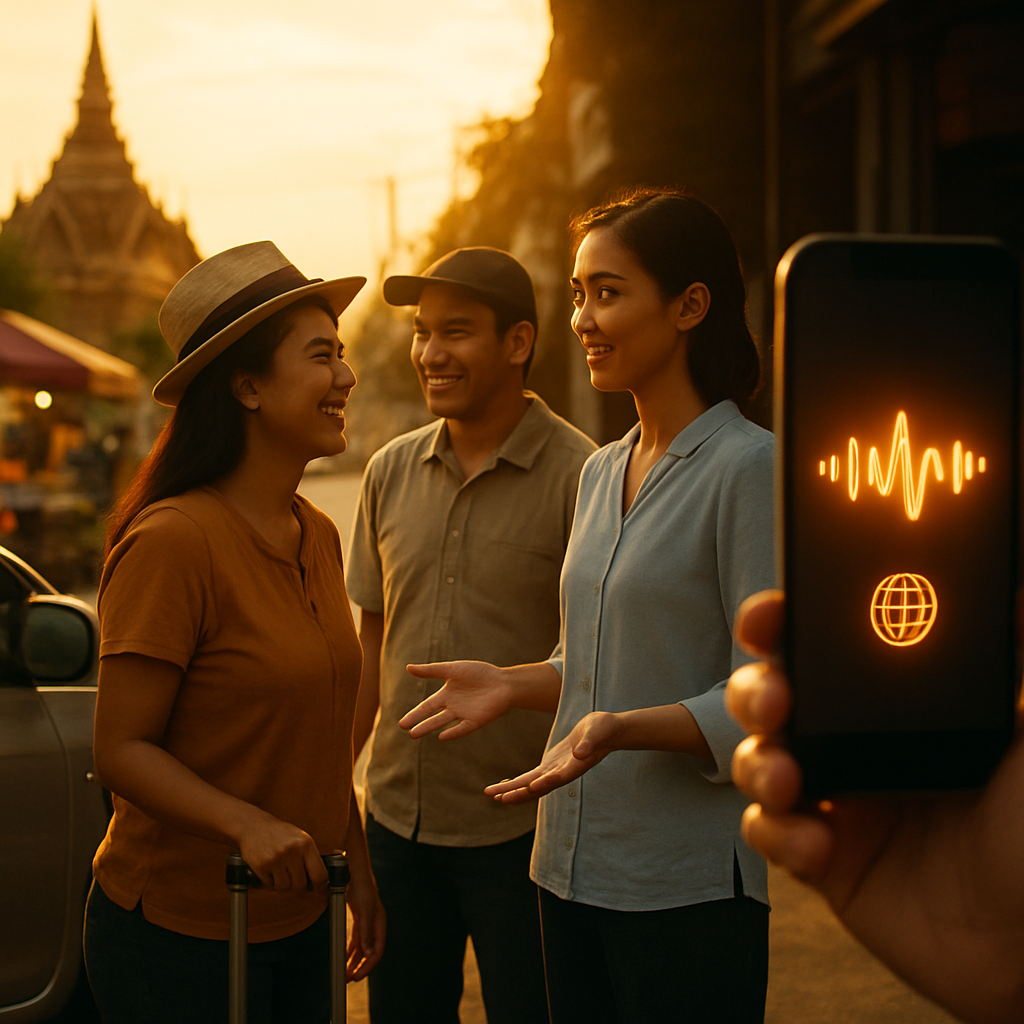
It started with a blunt post from a Filipina tourist: she landed in Thailand, expected her English to do the heavy lifting, and found herself baffled when even a Grab driver couldn’t follow her perfectly worded sentences. Her frustration — terse, fiery and viral — touched a nerve online. The clip of her venting quickly caught attention, and one voice in particular stepped forward with a calm, corrective tone: Thai English teacher and influencer Crispy Froid.
When frustration goes viral
The tourist’s complaint was simple and raw: “I’m Filipina. Of course my English is good, but when I arrive in Thailand it’s f***ing useless. Even if I speak good English nobody can understand me. Especially the Grab driver and the local people here. They need a translator, what the f***.” Whether provoked by one baffling ride or a string of small misunderstandings, the post quickly lit up social feeds — equal parts empathy, exasperation and debate.
Crispy Froid’s reply: respect before grammar
Crispy Froid, known for her approachable English lessons and cultural commentary, didn’t fuel the outrage. Instead she used the moment to nudge the conversation toward something more constructive. Her message: your command of a language is worth celebrating, but how you speak about your experience abroad matters even more.
“As a Thai person, I understand how frustrating language barriers can be, and your English is clearly very good; that’s something to be proud of,” she said. “When we travel, we become representatives of our countries. Mutual respect matters more than perfect language skills.”
Her tone was equal parts validation and gentle correction — acknowledging the tourist’s English ability while reminding everyone that cultural sensitivity is a two-way street. “Thailand is a warm and welcoming country,” Crispy Froid added. “With mutual respect, you’ll discover the true beauty of this place and the hearts of its people.”
Why misunderstandings happen — and what the numbers say
Language friction in tourist settings is nothing new. Thailand, popular with travelers worldwide, has pockets where English isn’t widely spoken — especially outside major tourist hubs. The 2025 EF English Proficiency Index places Thailand among countries with lower averages of English ability in Asia, a metric that helps explain why a perfectly grammatical sentence can still land on deaf ears.
But statistics don’t excuse impatience or scorn. The incident opened a broader debate online: is it fair to expect native-level English everywhere? Or should travelers lower their expectations and raise their cultural awareness?
How to travel smarter (and kinder)
If you’re planning a trip — or already halfway through one — here are a few friendly, practical ways to avoid finding yourself in a viral rant:
- Assume curiosity, not rudeness. Many misunderstandings stem from accents, local English varieties, or nervousness. Smile, repeat slowly, and don’t assume the problem is intelligence.
- Learn a few local phrases. A simple “hello,” “thank you” or “how much?” in Thai goes a long way. Locals often appreciate the effort even more than flawless English.
- Use tech wisely. Translation apps, screenshots of addresses in Thai, or map pins drastically reduce miscommunication with drivers or hotel staff.
- Remember you represent your home. How you speak about an experience—especially publicly—shapes perceptions of your country and its people.
- Practice patience. Travel is full of small glitches. The stories you tell later will be less about the frustration and more about how you solved it gracefully.
A moment for perspective
Social media amplified a short, sharp moment of irritation into a global conversation about language, respect and expectations. Crispy Froid’s reaction reframed the argument into something useful: yes, language matters, but cultural empathy matters more. The tourist’s original complaint didn’t need to be erased from the record — it sparked useful reflection — but the response shows how to turn a gripe into a teachable moment.
Ultimately, travel is a two-way exchange. Visitors bring their tongues and temperaments; locals bring their customs and accents. When both sides meet with curiosity rather than contempt, the world becomes a lot friendlier, and a little less viral.
So the next time your words get tangled on foreign soil, take a breath, try a phrase in the local language, and remember Crispy Froid’s simple prescription: mutual respect trumps perfect grammar. Who knows — that extra slice of patience might just become your favorite travel souvenir.


















I was the tourist in that video and yes I blew up because it felt like being invisible when the driver couldn’t understand me despite my clear English.
I get your frustration and your English is great, but public rants shape how locals see your country and kindness can open so many more doors.
So we should just smile when people give us terrible service? That sounds too forgiving and lets bad behavior slide.
As a Thai driver, I can say patience helps; many of us try but accents, nerves, and traffic noise make simple sentences hard to catch.
Point taken, Crispy — I didn’t mean to represent my country badly and I appreciate the reminder to lead with respect next time.
Language police alert: when someone’s fluent they still get excuses, what a world.
Honestly, a smile and a few Thai words make drivers try harder and we remember the person, not the rant.
Statistically, the EF index shows why misunderstandings happen, but numbers don’t absolve either side from practicing empathy and clearer communication.
Why can’t everyone just speak English like on TV, it’s not that hard, right?
Not everyone learns English the same way, and expecting native-level everywhere is unrealistic and a little arrogant.
Exactly, Sam; expecting TV-perfect English ignores socioeconomic factors and infrastructure that shape language learning opportunities.
This could be solved with better tech use — pin the address in Thai and use Google Translate audio, simple fixes stop viral meltdowns.
Tech helps but it also fails, and sometimes people misuse it to avoid human connection which makes small trips feel robotic.
True, I still think tech should be a first-line practical tool though; it’s better than blowing up on strangers.
Apps are great, but showing effort with local phrases matters more emotionally to us than relying on your phone alone.
Respect is vital but systemic issues matter too; if you expect clear English everywhere you should fund language programs, not scold individuals.
As an English teacher here, I want tourists to have smoother experiences, but we also need consistent policy investment and teacher support.
Right, public shaming outsiders won’t create classrooms or teacher salaries, structural change does.
Or we could stop expecting the world to adapt to us and learn to adapt back, radical idea.
Calling out tourists publicly just discourages local staff from interacting and makes service more transactional, which is a loss for both sides.
I felt bad watching the clip because as a fellow traveler I know how heated you can get, but cruelty isn’t a great souvenir.
But should tourists always have to be the ‘bigger person’ when locals provide poor service or refuse to try English?
No, Kris, both sides share responsibility; calling out bad service privately or constructively is fair, public insults are not.
As a Thai English learner, I find this debate exhausting; people should try two minutes of patience and learn hello and thank you in Thai.
Cultural humility goes both ways; tourists often act entitled and locals sometimes react defensively, so small politeness gestures diffuse tension.
Exactly, I teach visitors two phrases and a smile and 90% of miscommunication vanishes.
This feels like a morality play that blames tourists for global education gaps while excusing real failures in service.
People arguing over grammar on the internet is the least surprising thing ever, please, give me something new.
I replied earlier because I wanted to model a calmer response, and I still believe we can teach travel etiquette without policing accents.
It’s refreshing to see an influencer show restraint; outrage gets clicks but rarely fixes anything.
Thanks Sophia, the goal is helping people enjoy travel while honoring local dignity; both are doable with small habits.
You can be fluent and still be rude, and you can be limited and be lovely; language level doesn’t equate to decency.