Fatima Bosch Faces Defamation Complaint After Bangkok Pageant Row
What began as a tense exchange at a pre-pageant event in Bangkok has turned into an international soap-opera-worthy legal skirmish. The newly crowned Miss Universe 2025, Fatima Bosch of Mexico, is facing a defamation…
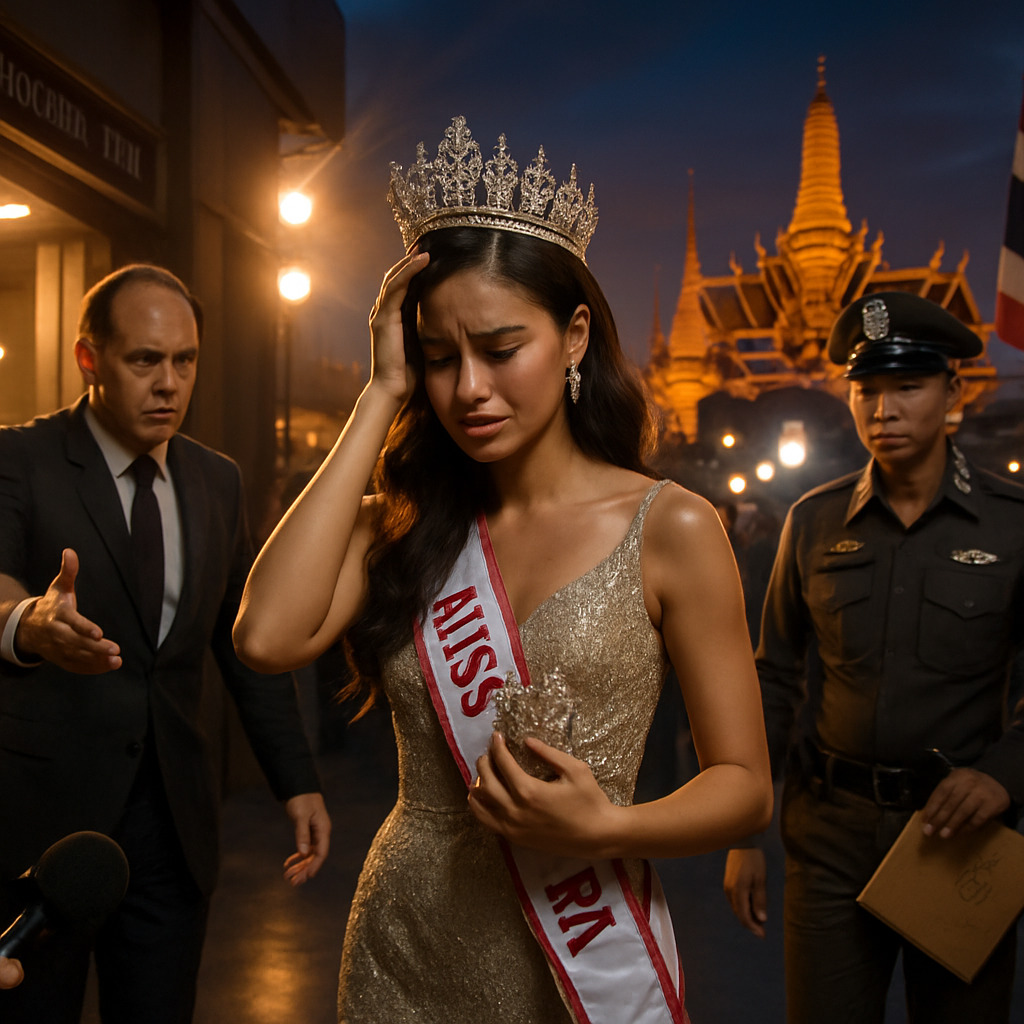
What began as a tense exchange at a pre-pageant event in Bangkok has turned into an international soap-opera-worthy legal skirmish. The newly crowned Miss Universe 2025, Fatima Bosch of Mexico, is facing a defamation complaint filed by Nawat Itsaragrisil — president of the Miss Universe Thailand organising committee and head of the Miss Grand International Company — after Bosch publicly said he called her a “dumbhead.”
The kerfuffle first ignited on November 4 during rehearsals and sponsor obligations in the Thai capital. Organisers, led by Nawat, say competitors were required to post sponsor-related content on their social accounts. According to accounts of the incident, Nawat accused Bosch of refusing to comply. Bosch attempted to explain her side, but the exchange escalated: she says Nawat told her to stop talking and just listen, which prompted her to leave the venue in tears.
Later, outside the rehearsal halls and flashing microphones, Bosch told reporters that the organiser had insulted her, specifically using the word “dumbhead.” Nawat has since apologised publicly for his “heated behaviour” toward contestants and the public — but he has strongly denied ever using that precise insult. The dispute might have derailed many careers; instead, Bosch went on to capture the crown, becoming the fourth Mexican Miss Universe, adding another twist to an already dramatic pageant season.
But the story did not stop at coronation. On December 3, the official Miss Universe Thailand Facebook page announced that Miss Grand International Company had lodged a police complaint against Bosch. The complaint, reportedly filed on November 12, accuses Bosch of making false statements that damaged Nawat’s reputation. The company’s brief public statement claims Bosch continued repeating the “dumbhead” allegation in interviews even after being informed that Nawat never used the term, and that she failed to retract or apologise for the remark.
Miss Grand International published what it says was the organiser’s actual phrasing from the dispute: “If you follow the order from your national director, you’re damage. If you not, you can do it. I very happy and the good report will go to organise…” The company warned that it will pursue further legal action if more allegedly defamatory statements surface, and urged media outlets not to repeat the disputed claim to avoid potential legal consequences under Thai defamation laws.
Legal action against a Miss Universe titleholder is a rare and headline-grabbing move. Defamation statutes in Thailand are known to be stringent; public figures and the press are often caught in tricky territory when allegations — even casual, hurtful phrases — cross into possible reputational harm. For her part, Bosch has maintained her account of the exchange in media interviews, while Nawat’s camp insists the record must be set straight.
The public reaction has been a mix of outrage, curiosity and weary amusement. Social feeds filled with supportive messages for Bosch, calls for transparency about pageant sponsor obligations, and plenty of speculation about whether the entire competition was somehow fixed. Organisers have denied any wrongdoing related to the contest’s outcome, emphasising that Bosch’s victory was legitimate. Meanwhile, commentators point out that human tempers flare everywhere — and what gets amplified in the glare of global pageant coverage can take on a life of its own.
From a PR and legal perspective, both sides face hurdles. For Nawat, proving reputational damage in a court or to public opinion requires demonstrating that Bosch’s statement was both false and had tangible negative impact. For Bosch, the challenge is defending her recollection of a private interaction that she has repeated publicly. In the age of smartphones and viral moments, the absence of a recording could prove decisive.
Legal threats are also a caution for the media: Miss Grand International’s public plea asked outlets to refrain from repeating the disputed word lest they become entangled in defamation claims. That kind of advisory can chill reporting, but it also underscores why journalists usually attribute quotes and note when parties disagree.
Beyond the courtroom and the comment threads, the contestants themselves are back under an unforgiving spotlight. Pageantry is equal parts glamour, discipline and an endurance test for nerves — and when management and contestants clash over sponsorship obligations, it raises broader questions about contracts, expectations and the power dynamics of international competitions.
At the end of the day, Fatima Bosch holds the 2025 Miss Universe crown. She will step onto global stages, do scheduled interviews and represent a nation. Whether the “dumbhead” line becomes a footnote in pageant lore or evolves into a legal precedent will depend on how both parties proceed and whether either pursues the matter further in court. For now, the scene remains a cautionary tale about what can happen when tempers flare, microphones are hot and every word is fodder for headlines.
As this story develops, both fans and legal watchers will be paying close attention: a comeback statement, a police investigation update, or a courtroom filing could send the next wave of headlines around the world — and perhaps teach everyone involved a lesson about words, power and the peculiar theatre of beauty pageants.



Comment verification
Step 1 of 3
Verify your email once to publish your comment. Your email is never shown publicly.
Enter the 6-digit code sent to .
Choose the display name shown next to your comments.