Thailand Embraces Marriage Equality: Surrogacy Law Reforms Usher in New Era
Amidst vibrant celebrations and a jubilant atmosphere, marriage equality activists recently took center stage with a dazzling bridal fashion show to commemorate the enactment of the Marriage Equality Bill. Glittering…
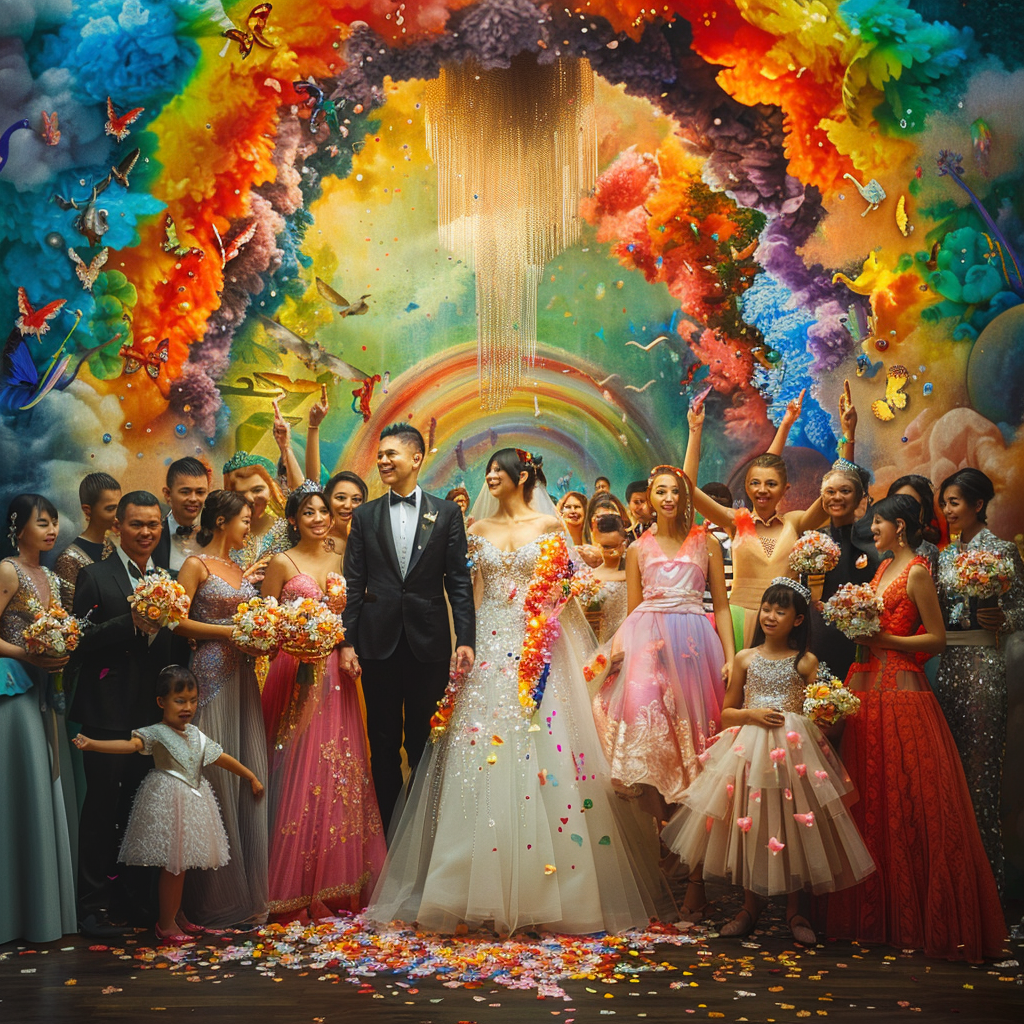
Amidst vibrant celebrations and a jubilant atmosphere, marriage equality activists recently took center stage with a dazzling bridal fashion show to commemorate the enactment of the Marriage Equality Bill. Glittering gowns and elegant tuxedos filled the runway, embodying the spirit of love and equality. Accompanying this wave of progress is the pragmatic response from the Public Health Ministry, diligently updating Thailand's surrogacy laws to resonate harmoniously with the newfound freedom and opportunities sanctioned by the equal marriage legislation.
Dr. Panuwat Panket, at the helm of the Department of Health Service Support (DHSS), brought exciting news of these pioneering revisitations to the table earlier this week. He announced that efforts are well underway to modernize the Protection for Children Born through Assisted Reproductive Technologies Act. As societal dynamics shift, so too do the legal frameworks that underpin them. This forward-thinking initiative endeavors to intricately weave the fabric of equality into the laws governing family creation. A promising draft, reflecting these aspirations, now awaits meticulous scrutiny from the Minister of Public Health, a mere stone’s throw from a perusal by the cabinet.
The cornerstone of this legal overhaul rests in notable semantic transformations within the Act's text. The conventional terms "husband" and "wife" are gracefully transitioning to the more inclusive "spouses," seamlessly aligning with the Marriage Equality Act. This linguistic leap not only redefines the traditional narrative but also opens the doors of surrogacy to same-sex couples yearning for the joys of parenthood.
Yet, as the doors swing wide open, ensuring responsibility in child custody and guardianship presents its own set of challenges necessitating thoughtful consideration. Dr. Panuwat eloquently highlighted the complexities of potential separations amidst this newfound liberty.
Significantly, once these amendments take root, the global tapestry of love is invited to unfurl in Thailand. Foreign couples will have the opportunity to embrace surrogacy within the kingdom’s borders—a major shift from the previous stipulation mandating a Thai partner. Furthermore, the legislative revisions will escort the processes of transporting embryos, sperm, or eggs back to the couple’s homeland, kept under the watchful eyes of a specialized committee dedicated to the Protection of Children Born Using Medical Assisted Reproductive Technology.
With the evolution of these laws comes a heightened awareness of the lingering shadows of human trafficking and clandestine surrogacy ventures. Dr. Panuwat confidently asserted that these amendments are set to cast a clarifying light on such practices, bolstering transparency, accountability, and snuffing out subterranean operations with firmly drawn battle lines.
Notably, the revised legislation stipulates that only relatives of the intended parents may assume the noble role of surrogates, steadfastly upholding the prohibition of commercial surrogacy and the associated business-themed advertisements. Any deviation from this path is met with sterner penalties; the amended bill envisions a future where transgressors face increased prison terms and steeper fines, irrespective of where the crime takes place, the arm of the law stretching beyond Thailand’s borders.
In the midst of these legal recalibrations, fascinating insights into societal trends emerge. Recent studies indicate a burgeoning interest in surrogacy, striking a chord particularly with single women desiring biological offspring without enduring the rigors of pregnancy.
In conclusion, Thailand stands on the brink of transformative change—where legislative foresight aligns with the inexhaustible human drive for love, family, and equality. As the legal doors swing ajar, heralding a new era of openness, Thailand welcomes these diverse expressions of love and care with open arms, illuminating the path toward a more inclusive future.



Comment verification
Step 1 of 3
Verify your email once to publish your comment. Your email is never shown publicly.
Enter the 6-digit code sent to .
Choose the display name shown next to your comments.