AOT Adds Warehouse Space and Tracking to Clear Suvarnabhumi Cargo Backlog
Airports of Thailand is opening Warehouse 4 in the Suvarnabhumi Free Zone for oversized freight and linking Thai Airways RFID tags to Cargo Clearhouse after the transport minister ordered a rapid fix for the inbound backlog.
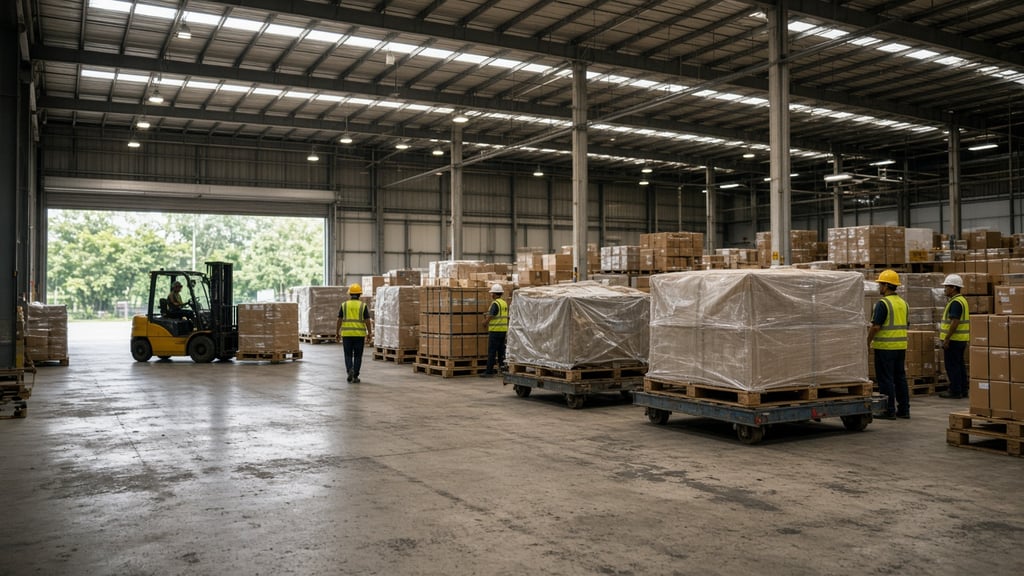
Airports of Thailand is handing Thai Airways extra floor space at Suvarnabhumi International Airport and plugging the airline's radio tags into the airport operator's own tracking platform, a twin response to an inbound cargo pile-up that has left importers waiting weeks for goods already on the ground.
Airports of Thailand (AOT) said on 9 November 2026 that it is lending Warehouse 4 in the airport Free Zone for oversized freight and linking Thai Airways radio-frequency identification tags to the AOT Cargo Clearhouse system. Deputy Prime Minister and Transport Minister Phiphat Ratchakitprakarn had instructed the airport operator to work with Thai Airways International so the airline's import warehouse returns to normal operations and the jam does not spread through Thailand's logistics chain.
AOT president Paweena Jariyathitipong said the company had been meeting the airline and related agencies since October, offering both physical space and the Cargo Clearhouse platform. AOT has not set a date for a full recovery. Some consignments that landed in early October were still unreleased in the first week of November, according to importers and freight operators who have been trying to collect factory parts, retail stock, and household shipments.
Warehouse 4 Opens for Oversized Freight
Under the plan, Thai Airways can use Warehouse 4 (WH-4) inside the Suvarnabhumi Free Zone as a holding hall for huge cargo, the oversized pallets and crates that clog aisles when they sit in a standard import shed. AOT's Free Zone cargo centre lists WH-4 as a common-use warehouse of about 10,000 square metres, with mezzanine offices for tenants. Moving bulky lots into that building is meant to free floor space so warehouse staff can break down unit load devices and locate older shipments faster.
AOT is also talking with Thai Airways and the Thai Customs Department about whether domestic cargo warehouse space could be used to inspect and release inbound international shipments. That option is still under review. The airport operator said it is watching inbound and outbound volumes at the Thai Airways warehouse, plus the size of the remaining backlog, so it can step in if congestion worsens.
RFID Tags Linked to Cargo Clearhouse
The second plank is digital. AOT is connecting Thai Airways RFID tags to Cargo Clearhouse, a platform the airport operator built to show shipment status and storage location down to the house air waybill, or HAWB. Freight forwarders have said missing location data has blocked payment and collection even when boxes were already inside the shed. House-level location on a shared screen is meant to stop trucks from arriving at the Free Zone gate for cargo that cannot yet be found.
Cargo Clearhouse has already taken about 46,000 requests to collect cargo. AOT said it later plans to extend the same platform to the WFS-PG Cargo warehouse so both sheds in the Free Zone share one pickup process, shortening waits for trucks. Thai Airways, which runs its own cargo terminal in the Free Zone, has urged operators to use the system rather than relying on phone calls and floor searches.
How the Backlog Built Up
The pile-up traces to late September, when flooding around Bangkok left Thai Airways short of warehouse staff. The airline stopped accepting cargo at its Suvarnabhumi import warehouse from 30 September to 6 October. Incoming volumes then kept rising, leaving unit load devices waiting to be broken down and stored. Importers have described factory lines slowing while parts sat in the shed. AOT has not published an official count of stranded lots.
Thai Airways issued an apology on 5 November and said it had been adding staff, forklifts, and other equipment since 1 November. The airline plans a warehouse management system covering receiving, sorting, storage location, and delivery. Shipments that arrived before 23 October are being cleared first, while new arrivals continue. Extra Wi-Fi access points and a location-scanning application were also put on the recovery list so floor staff can mark where each lot actually sits.
What This Means for Expats and Travelers in Thailand
Anyone waiting on air freight through Thai Airways at Suvarnabhumi, whether a household shipment, a spare part, or stock for a small business, should treat the extra warehouse and the RFID link as a start, not a finished fix. Ask your forwarder for the house air waybill number and check Cargo Clearhouse before sending a truck. Do not assume a flight arrival date equals a collection date.
Goods that landed before 23 October sit in the first clearance wave. If your shipment is oversized, it may now be in WH-4 rather than the airline's main import hall, so confirm the pickup point with your broker. Keep customs paperwork ready. Domestic-warehouse clearance for international cargo is only under discussion, so do not plan around it. For personal effects and e-commerce parcels on passenger-belly or freighter space, budget extra days and extra storage fees until the RFID feed shows a location you can collect against.



Comment verification
Step 1 of 3
Verify your email once to publish your comment. Your email is never shown publicly.
Enter the 6-digit code sent to .
Choose the display name shown next to your comments.