Thailand's Uyghur Repatriation Controversy: International Backlash and Diplomatic Challenges
In a move that ignited international debate, the Thai government recently defended its controversial decision to repatriate 40 Uyghurs to China, reaffirming its commitment to humanitarian principles. This decision,…
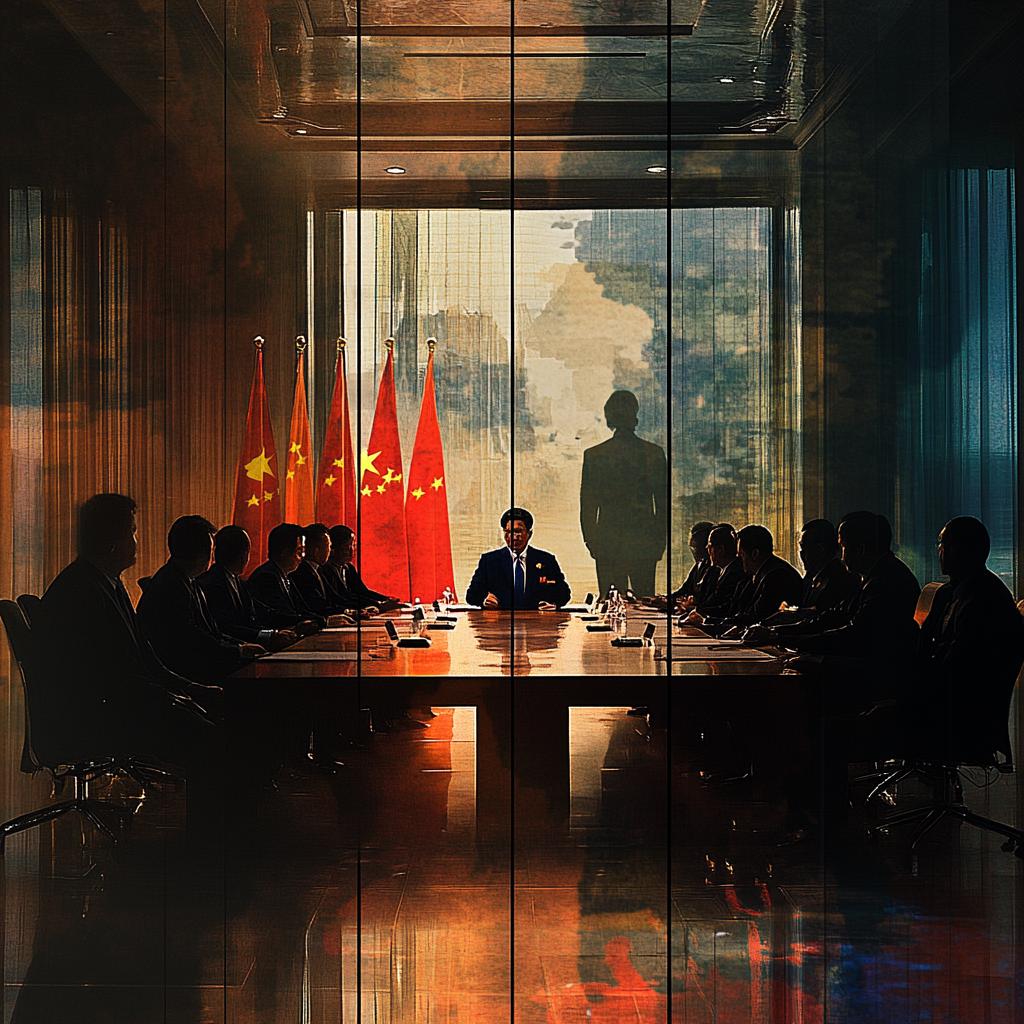
In a move that ignited international debate, the Thai government recently defended its controversial decision to repatriate 40 Uyghurs to China, reaffirming its commitment to humanitarian principles. This decision, however, has attracted visa sanctions on Thai officials from the United States, leading to a whirlwind of diplomatic activity.
On March 1st, high-ranking officials, including Chatchai Bangchuad, the secretary-general of the National Security Council, met with families of the repatriated Uyghurs in China's Xinjiang. Against the backdrop of these tense exchanges, Thailand reiterated that the Chinese government had assured the safety of the repatriated Uyghurs, affirming their commitment to these promises.
The Thai government further committed to monitoring the well-being of the Uyghurs, who were returned to China under what they claim were "full compliance with humanitarian principles." This intention was underscored by a statement expressing the country's longstanding tradition of providing humanitarian refuge to those seeking shelter within its borders.
Yet, the diplomatic landscape is a complex one. U.S. Secretary of State Marco Rubio, on March 14th, firmly stated that visa restrictions would remain for Thai officials involved in this matter, highlighting concerns over the human rights implications. While the U.S. has a history of imposing sanctions, including suspending aid after military coups, expert Murray Hiebert notes that targeting specific officials is an uncharted territory in the context of U.S.-Thai relations.
At home, opposition leader Natthaphong Ruengpanyawut emphasized the importance of adhering to international human rights standards. He argued that maintaining these principles would safeguard Thailand against criticism or punitive measures from both global superpowers, the U.S., and China. The leader strategically side-stepped questions regarding whether Prime Minister Paetongtarn Shinawatra and Deputy Prime Minister Phumtham Wechayachai, might be impacted by the U.S. sanctions.
This diplomatic scuffle took on a broader dimension with the European Parliament's recent resolution condemning Thailand's actions related to the deportation and other politically sensitive laws, such as the lese-majeste law. Expressing his concerns, former Prime Minister Thaksin Shinawatra advised the government to seek dialogue with the EU ambassador to clarify the situation and mend relations.
In an attempt to foster transparency, the Thai government is reportedly planning a trip to China. The primary goal is to witness firsthand how the Uyghurs are treated in their homeland. Natthaphong Ruengpanyawut has been vocal that such a trip should allow for unrestricted movement of Thai officials and must include impartial third-party observers to ensure fairness.
Adding an academic perspective, international relations scholar Panitan Wattanayagorn called on the Thai Ministry of Foreign Affairs to request China disclose the current whereabouts of the repatriated Uyghurs. This information, he argued, should be shared with both the European Parliament and U.S. officials to alleviate international tensions.
As the world watches, Thailand finds itself at the crossroads of international diplomacy, human rights advocacy, and bilateral ties. The unfolding events will test the country's diplomatic agility, historical traditions of hospitality, and its ability to navigate increasingly complex global dynamics.



Comment verification
Step 1 of 3
Verify your email once to publish your comment. Your email is never shown publicly.
Enter the 6-digit code sent to .
Choose the display name shown next to your comments.