Thammasak Sethaudom Leads SCG ESG Symposium 2024: Pioneering Thailand’s Sustainable Transformation
In a trailblazing event poised to reshape Thailand’s green horizon, 47 juggernaut organizations have congregated at the monumental CEO Forum: SCG ESG Symposium 2024. This alliance brings together titans from diverse…
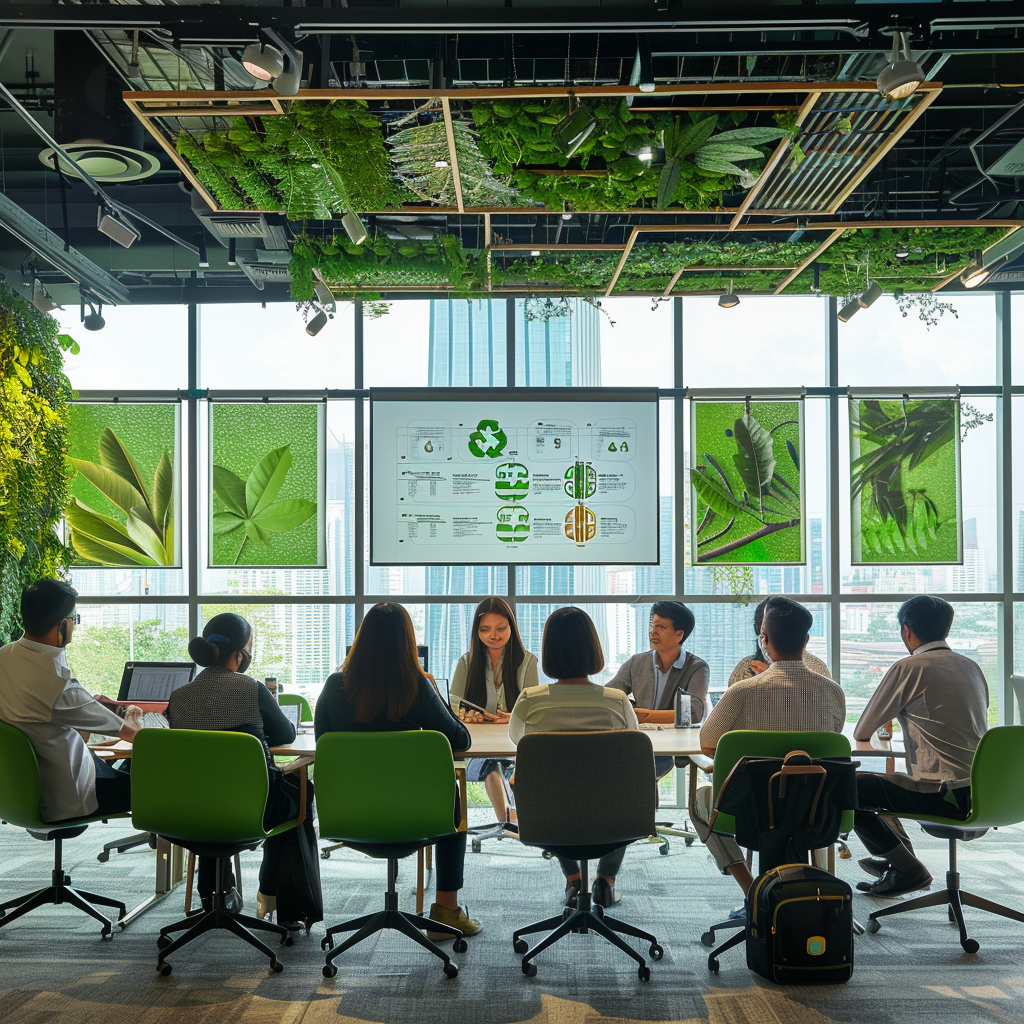
In a trailblazing event poised to reshape Thailand’s green horizon, 47 juggernaut organizations have congregated at the monumental CEO Forum: SCG ESG Symposium 2024. This alliance brings together titans from diverse sectors like retail, wholesale, real estate, packaging, sugar, cement, and construction, not to mention the President of the Thai SME Federation. Their mission? To forge a path toward sustainability through six pivotal practices, including Waste Management and Recycling, and the Promotion of Sustainable Packaging, among others.
Leading the charge is Thammasak Sethaudom, the astute President & CEO of SCG, who zealously declared, “As Thailand paves its path to a low-carbon utopia, SCG is proud to spearhead this conclave, gathering the crème de la crème of industrial thinkers to collectively catapult us toward net-zero emissions.” Thammasak’s insightful proclamation underscores the forum’s commitment to unearthing fresh opportunities and sharpening the competitive sword for all participants involved.
Join me as we dive into the heart of the six-pronged sustainability frameworks outlined at the forum:
- Waste Management and Recycling: Did you know that in the mesmerizing land of smiles, less than 20% of recyclable waste receives a second chance at life? This plight calls for immediate attention. By enhancing the crucial early stage of waste sorting and fostering public-private collaborations, Thailand seeks to turn the tide. Creative tax systems under Extended Producer Responsibility (EPR) will provide transparent waste management practices, serving as a potential fix to Thailand’s recycling woes.
- Sustainable Packaging: In the realm of packaging, where does sustainability meet functionality? The current challenge lies in developing recycled packaging that can withstand the test of time, especially for food products. The magical solution? Government-backed tax incentives paired with avant-garde research investments promise an era of affordable and sustainable packaging innovation. Additionally, educational programs serve as beacons, igniting green mindsets among the young, fostering earth-conscious habits from the ground up.
- Supporting SMEs in Green Transition: Small and Medium Enterprises, often grappling with resource and financial constraints, are integral to this sustainable symphony. By viewing ESG as not just a responsibility, but a robust business opportunity, and with governmental blessings of loans and green incentives, SMEs can navigate the arduous climate landscape, minimizing risks and seizing bountiful future endeavors.
- GHG and Waste Reduction in Building Design: From blueprint to bricklaying, the journey towards emission reduction is peppered with innovation. By championing low-carbon building practices with incentives like tax breaks and fostering green certifications, the design focuses on reduction. What’s more? The construction aftermath underscores recycling construction materials, ensuring the cycle continues sustainably.
- GHG and Waste Reduction in the Construction Value Chain: As construction sites buzz with activity, they also hum a different tune – one of greenhouse gases. Yet, hope gleams through collaboration. By exchanging knowledge, the public and private sectors can herald a new era of low-carbon materials and eco-efficient practices, with government guidelines illuminating the path toward solar-powered edifices and carbon credit utilization, boosting competitiveness manifold.
- Energy Transition & Saraburi Sandbox: Nestled in the heart of cement production, Saraburi is on the brink of a revolutionary transformation to clean energy across its domains. By knitting electric vehicle manufacturers, charging infrastructures, and clean energy into a cohesive tapestry, Saraburi’s sustainable saga promises to influence neighboring provinces. Innovative initiatives like Waste to Material within the Saraburi Sandbox will further cement Thailand's green credentials.
“This monumental convergence of economic titans, with a collective revenue surpassing 1.25 trillion baht, marks a defining chapter in Thailand’s odyssey toward a low-carbon economy,” punctuated Mr. Thammasak with fervent optimism. Indeed, the speed of this evolution correlates directly with Thailand’s ascendancy in sustainable stewardship, and as the wheels of change gather momentum, it’s not just the landscapes of Thailand but the opportunity landscapes that stand to flourish.



Comment verification
Step 1 of 3
Verify your email once to publish your comment. Your email is never shown publicly.
Enter the 6-digit code sent to .
Choose the display name shown next to your comments.