Myanmar Arrests 26 Thais in Tachileik Gambling Raid
Myanmar forces detained 26 Thai nationals and seized 32 computers in morning raids on Tachileik online gambling dens across the Mae Sai border.
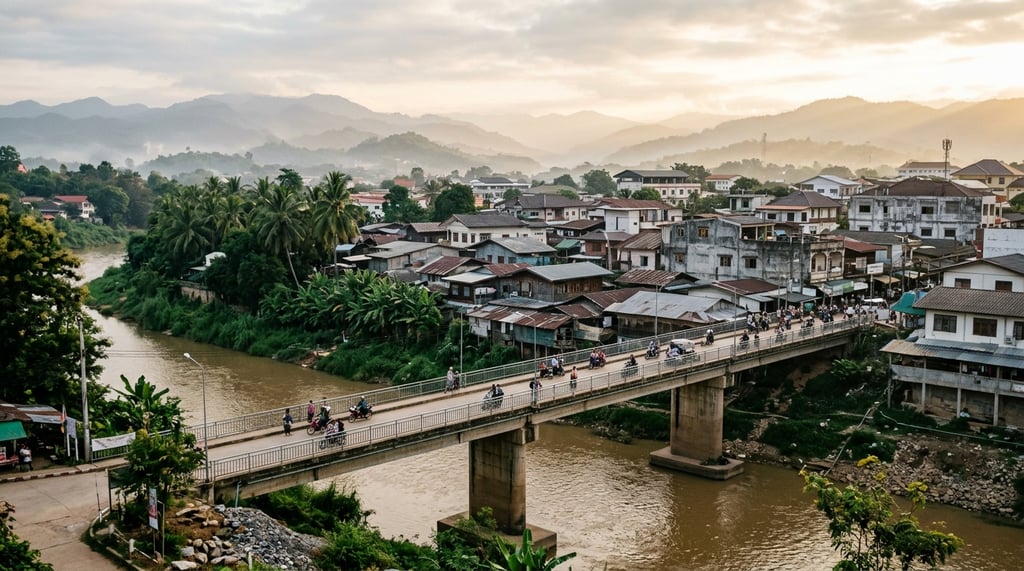
Myanmar security personnel conducted synchronized early morning raids across the border town of Tachileik on November 27, detaining thirty-five individuals including twenty-six Thai nationals suspected of staffing illegal online gambling infrastructure. The military-led operation targeted residential compounds tucked behind the bustling commercial corridors of eastern Shan State, directly opposite Thailand's northernmost district of Mae Sai in Chiang Rai province. Officers confiscated dozens of desktop computers, network processing hardware, and electronic communications gear used to operate digital gaming platforms and financial extortion operations.
The dawn sweep underscores the persistent challenge confronting regional law enforcement along the northern frontier. While bilateral diplomacy between Bangkok and Naypyidaw has increasingly focused on shutting down industrial scam compounds, smaller syndicated operations continue to rent private residential real estate along the perimeter. Thai nationals recruited through domestic messaging channels slip across unguarded river bends or through informal mountain corridors, trading personal safety for monthly commissions in an illicit industry increasingly vulnerable to unpredictable military interdiction.
Dawn Raids Across the Sai River
The coordinated sweep commenced at 6:30 am when a joint task force of Myanmar military officers and local administrative police entered a residential property on Kankaw Road in Wankaung ward, an area locally referred to as Makha Hwakham. Inside the compound, officers apprehended thirteen Thai men and thirteen Thai women who had converted the residential space into an active technical center for online gambling portals. Technicians had arrayed thirty-two all-in-one desktop systems and dual server units across shared desks, running live digital casino feeds and automated customer balance sheets.
Simultaneously, security teams breached an adjacent house within the same residential cluster, apprehending eight Myanmar men and one Myanmar woman. That secondary compound contained eleven networked workstations dedicated to fraudulent financial schemes. According to initial interrogation records, the nine local suspects had arrived in Tachileik on November 20 after securing online employment through personal contacts. Working without base salaries, the operators targeted male victims across social platforms using fraudulent female profiles, coaxing targets into sexually explicit exchanges before demanding ransom payments under threat of public disclosure. Extorted funds were routed through temporary payment QR codes generated by syndicate managers, with operators pocketing an eighteen percent cut.
The Mechanics of Cross-Border Cyber Compounds
The November 27 arrests reveal an evolving tactical shift among criminal syndicates operating in Myanmar border territories. Following intensive international pressure on mega-compounds in Karen State and Kokang, digital gaming and scam operators have dispersed into decentralized residential cells across urban centers like Tachileik. Rather than maintaining massive fortified parks, syndicate financiers purchase or lease private multi-story homes on quiet neighborhood streets, relying on commercial broadband links and consumer-grade desktop hardware that can be quickly replaced or abandoned.
Recruitment continues to exploit economic vulnerabilities inside Thailand. Thai suspects admitted during preliminary interrogations that they bypassed formal checkpoints to take up technical support posts across the border. Promised elevated compensation as system administrators, website moderators, and payment monitors, many recruits find themselves trapped in compound environments where personal passports and identity cards are impounded upon arrival. Although these technical workers handle website upkeep rather than direct fraud calls, Myanmar jurisprudence treats unauthorized entry and involvement in unregulated gambling as serious criminal violations carrying mandatory custodial terms.
Regional Enforcement and Bilateral Friction
Enforcement in Tachileik occurs against a backdrop of complex local power dynamics in eastern Shan State. Although regular Myanmar military units executed the November 27 operation, local accounts gathered by regional outlets noted three to four gunshots echoing during earlier midnight searches across four target properties. Observers have long pointed out that various semi-autonomous militias and border guard units operate throughout the township, occasionally extracting protection fees from commercial gambling houses while allowing central authorities periodic enforcement sweeps to demonstrate regulatory action.
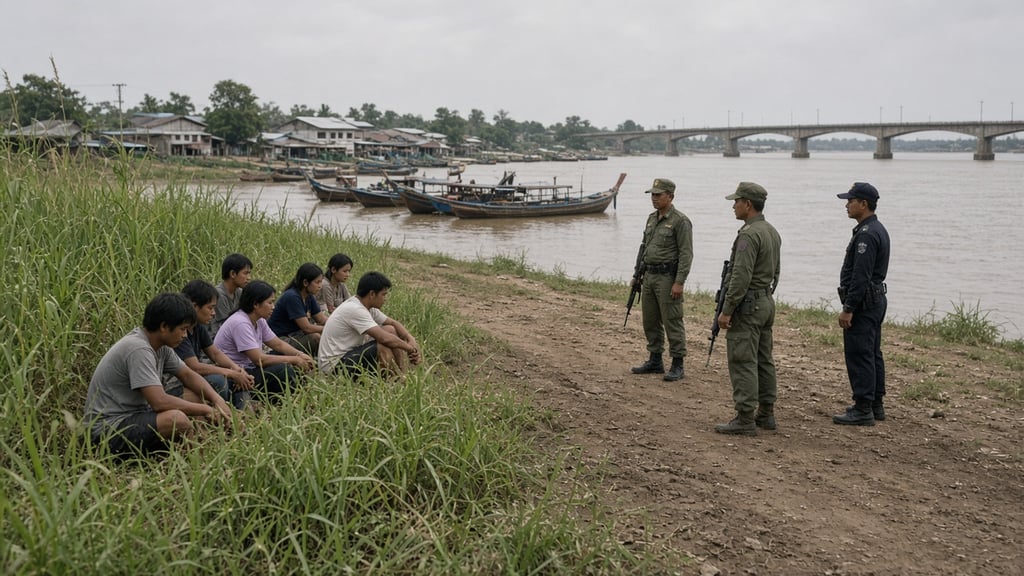
For Thai authorities, the detention of twenty-six citizens highlights the limits of border diplomacy. Under standard diplomatic protocol, consular representatives must negotiate through the Township Border Committee to verify identities and arrange eventual repatriations. However, when detainees face formal charges in Myanmar military courts, legal proceedings can take months. Repatriation back through the Mae Sai Friendship Bridge remains contingent on completing local prison sentences or securing administrative deportation waivers from Shan State judicial officials.
What This Means for Expats in Thailand
While the Tachileik arrests primarily concern unlawful cross-border syndicates, the heightened military activity carries direct practical implications for expatriates, tourists, and business operators living in Chiang Rai and northern border districts:
- Mae Sai Border Checkpoint Tightening: Travelers using the Mae Sai permanent border checkpoint should expect rigorous departure inspections. Thai immigration officers have intensified questioning for foreign nationals and young Thai travelers seeking same-day or short-stay border passes, scrutinizing onward travel arrangements to ensure travelers are not being funneled into grey-market border enterprises.
- Natural Border Perimeters and River Restrictions: Expatriates residing along the Sai River and Ruak River corridors must avoid informal border crossings. The Royal Thai Army's Pha Muang Task Force has deployed continuous drone patrols, thermal imaging, and barbed-wire fortifications along riverbanks to intercept human trafficking and unauthorized crossings. Stepping across riverbanks outside designated border gates constitutes a criminal immigration offense under Thai law.
- Job Offers in Neighboring Border Towns: International residents and their local acquaintances should exercise extreme caution regarding high-paying IT, translation, or customer-service positions advertised in Mae Sai, Tachileik, Myawaddy, or Poipet. Syndicates frequently advertise legitimate-sounding hospitality or digital marketing roles online before forcing workers across borders into captive compound labor.
- Cross-Border Commerce and Banking Scrutiny: Financial transactions involving entities or accounts located along northern border zones face heightened anti-money laundering monitoring by Thai commercial banks. Personal and corporate remittances connected to border trading firms in Chiang Rai are subject to automated fraud filters aimed at curbing cyber-syndicate cash flows.

Comment verification
Step 1 of 3
Verify your email once to publish your comment. Your email is never shown publicly.
Enter the 6-digit code sent to .
Choose the display name shown next to your comments.