EEC approves Prachinburi expansion for wellness drive
Thailand approves expanding the Eastern Economic Corridor into Prachinburi to spur wellness tourism, elder care, and clean investment.
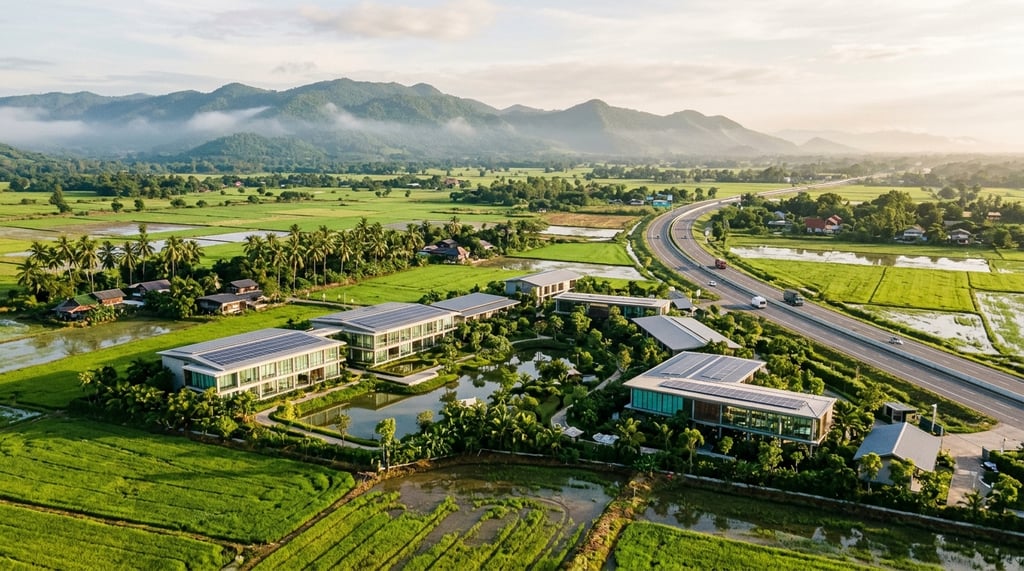
Thailand Eastern Economic Corridor Policy Committee has granted preliminary approval to extend the special economic zone into Prachinburi province, adding a fourth province alongside Chachoengsao, Chonburi, and Rayong. The strategic expansion marks an intentional shift in corridor policy, shifting investment privileges beyond heavy automotive and petrochemicals toward services, wellness tourism, geriatric care, and specialized tech parks.
The policy endorsement arrives with explicit procedural caveats intended to prevent haphazard industrial spillover. Corridor regulators made formal enactment contingent on resolving environmental grievances and completing binding zoning maps. Rather than declaring the entire province an industrial zone, authorities will confine privileges to selected corridors in Si Maha Phot and Kabin Buri, shielding surrounding farms and forest reserves from unmonitored sprawl.
Selective Zoning along Highway 304
Delineating Prachinburi inclusion reflects a compromise between economic connectivity and conservation. Flanked by Nakhon Nayok, Chachoengsao, and the forest complexes of Khao Yai and Thap Lan national parks, Prachinburi has long functioned as an inland manufacturing stepping stone. Industrial activity has historically clustered along Highway 304, a critical arterial corridor linking Laem Chabang port with Isaan manufacturing hubs and overland borders.
Under the phased integration strategy, corridor authorities are avoiding blanket provincial designation. Instead, statutory zoning adjustments will target specific industrial clusters in Si Maha Phot and Kabin Buri, where mature private estates already operate with dedicated wastewater treatment and captive power. Establishing clear geographic boundaries enables spatial planners to modernize local land administration, offering international investors expedited licensing while shielding farming heartlands in Ban Sang and Prachantakham from industrial encroachment.
Pivoting from Heavy Industry to Wellness Tourism
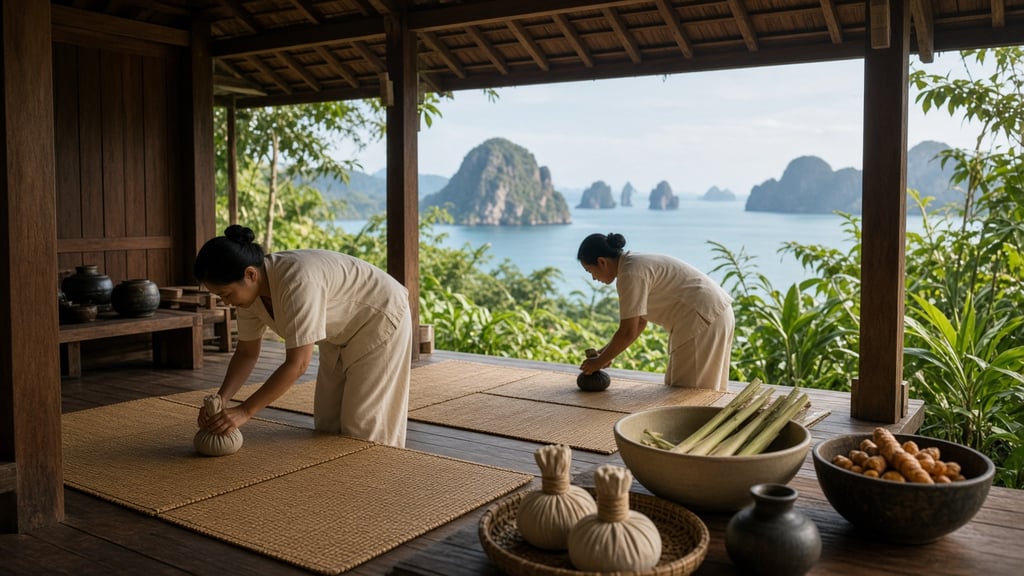
The thematic focus on wellness and elder care represents a marked departure from the heavy manufacturing foundations that shaped the eastern seaboard over the past three decades. While Rayong and Chonburi absorb billions in electric vehicles, battery gigafactories, and data centers, Prachinburi is being positioned to cultivate high-value health services. The province possesses a distinctive medical pedigree anchored by traditional herbal medicine research, hot spring resources, and fertile agricultural topography buffered by surrounding national parks.
Corridor administrators seek to channel fiscal and regulatory incentives toward medical tourism retreats, retirement communities, and specialized convalescent clinics designed for international retirees and senior citizens. Integrating Prachinburi into the corridor permits wellness enterprises to access ten-year specialist visas, corporate income tax reductions, and relaxed foreign equity caps, positioning the province as a serene, clean alternative to congested metropolitan hospital networks.
Environmental Safeguards and Community Scrutiny
Despite the economic appeal of corridor expansion, the initiative faces rigorous civic and environmental scrutiny. In recent years, local farming communities and environmental networks across Si Maha Phot have voiced persistent alarm over unmonitored industrial waste disposal, electronic waste recycling yards, and chemical runoff entering irrigation canals. The arrival of unzoned processing plants outside supervised industrial estates prompted demonstrations and direct appeals to parliamentary oversight committees, with civic groups demanding strict accountability before state agencies grant new economic incentives.
Addressing these concerns, the corridor board tied endorsement to strict environmental milestones. The corridor office must present verifiable progress on remediating legacy hazardous waste sites and establish transparent air and water monitoring regimes before statutory decrees advance to the cabinet. Furthermore, municipal zoning plans must undergo exhaustive public hearings to assure agrarian communities that productive rice fields and fruit orchards will receive permanent legal immunity from industrial reclassification.
What This Means for Foreign Investors and Residents
For multinational corporations and foreign investors, Prachinburi formal entry into the economic corridor unlocks a predictable legal framework with reduced capital overheads. Industrial land prices and labor rates in Si Maha Phot and Kabin Buri remain substantially more competitive than coastal real estate in Chonburi or Rayong. Companies establishing operations within certified zones gain access to streamlined one-stop regulatory clearances, work permit facilitations for expatriate executives and engineers, and extended leasehold terms of up to ninety-nine years.
For long-term foreign residents and expatriate retirees, the deliberate pivot toward wellness infrastructure promises enhanced residential amenities. The expansion of premium medical facilities, senior living campuses, and eco-tourism resorts along Highway 304 provides high-standard living alternatives within a two-hour drive of Suvarnabhumi International Airport. If regulatory authorities maintain rigorous environmental safeguards, Prachinburi corridor status could successfully demonstrate that targeted economic zoning can attract foreign capital while preserving ecological integrity.

Comment verification
Step 1 of 3
Verify your email once to publish your comment. Your email is never shown publicly.
Enter the 6-digit code sent to .
Choose the display name shown next to your comments.