Phumtham Wechayachai's Vision: Thailand's Neutral Path Amid U.S.-China Tensions in 2025
At the splendid gathering celebrating the 70th anniversary of the Thai Journalists Association in the heart of Bangkok, the air was ripe with insights and visions for the future, as Deputy Prime Minister Phumtham…
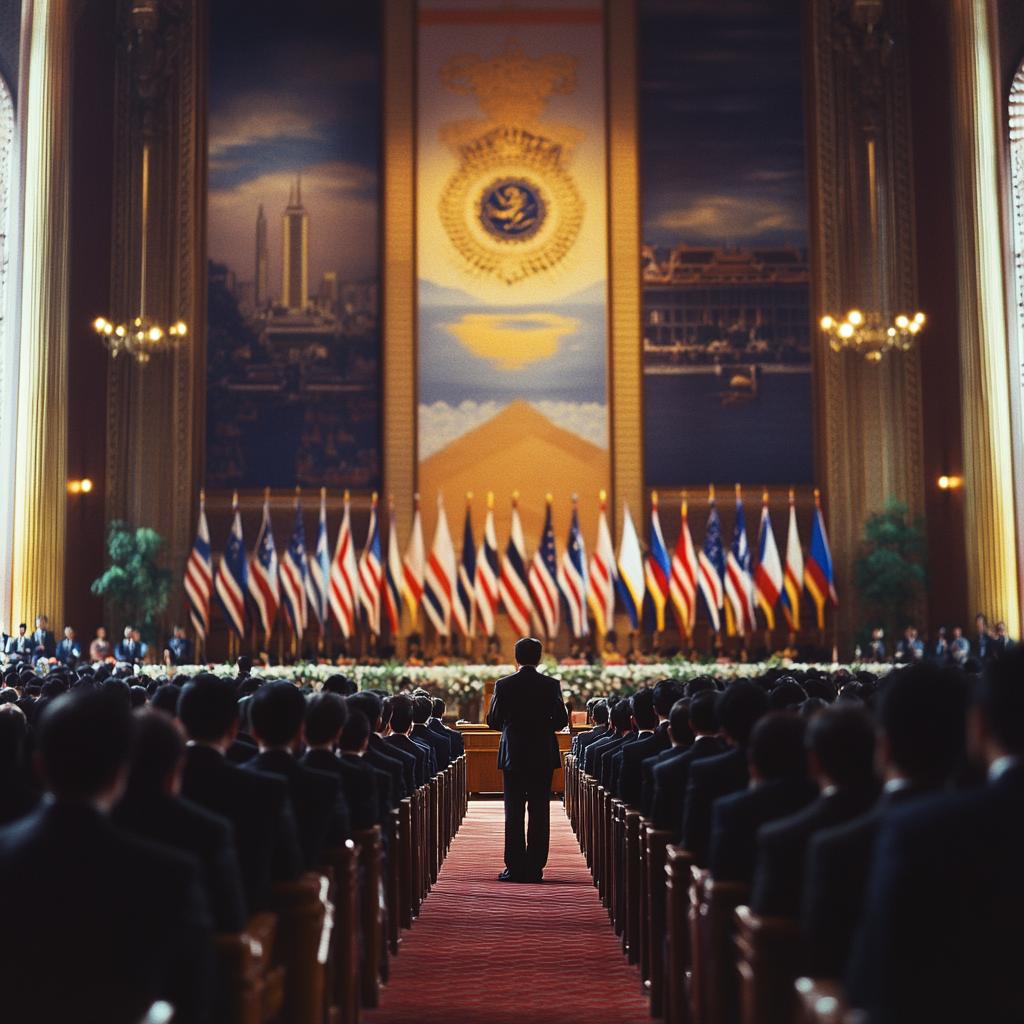
At the splendid gathering celebrating the 70th anniversary of the Thai Journalists Association in the heart of Bangkok, the air was ripe with insights and visions for the future, as Deputy Prime Minister Phumtham Wechayachai took to the stage. The minister, who effortlessly combines his duties as both Deputy Prime Minister and Defense Minister, delivered a message that resonated deeply amid the jubilant festivities: Thailand must continue to tread the delicate path of neutrality in a world increasingly polarized by the competing powers of the United States and China.
Mr. Phumtham, with the gravitas befitting a seasoned statesman, reiterated that global dynamics were shifting, amplifying challenges that are as varied as they are complex. From economic fluctuations to technological advancements, the security landscape to environmental concerns, Thailand faces an array of trials that demand not only vigilance but a strategic overhaul, especially with the surprising resurgence of Donald Trump as U.S. President. This unexpected political event, he suggested, could pivot the axis of international relations and reshape the global economic landscape.
The Deputy Prime Minister emphasized the Pheu Thai-led government’s dedication to a balanced foreign policy that adeptly serves national interests. “The return of Mr. Trump signals a pivotal moment for the global economy,” he noted, with considerable weight to his words, hinting at the reinvigorated push of the 'America First' doctrine. In this new era, the focus seems to tilt towards bilateral partnerships, with trade tariffs being wielded as tools of influence—a strategy that could potentially tighten trade conditions and limit cooperative ventures.
Amidst his contemplative discourse, Mr. Phumtham highlighted a brewing predicament: the intensification of U.S.-China tensions that might force smaller nations like Thailand into making hard choices. Yet, Thailand, with its rich tapestry of diplomatic friendships, intends to remain a comrade to all nations. "We hope every major power practices restraint and resolves their disputes through peaceful means," he articulated, signaling Thailand’s commitment to stability.
Leveraging its strategic geographical advantage, Thailand sees potential in becoming a magnet for foreign investments, especially from enterprises poised to restructure their supply chains in response to evolving global trade dynamics. This strategic repositioning not only aims at boosting competitiveness but also promises a robust transformation of Thailand's economic landscape.
Beyond Thailand's borders, the unfolding drama of Asean cooperation presents another avenue of focus. Strengthening regional ties within Asean, Mr. Phumtham believes, can counterbalance the heavy reliance on dominating global powers. "A robust Asean means we have a more formidable platform for negotiations," he postulated, underlining that Thailand, in isolation, stands less chance at parleying with major powers on equal terms.
The Deputy Premier’s vision extends towards catalyzing economic metamorphosis through targeted initiatives that attract and anchor foreign investments. These strategic drives, according to Mr. Phumtham, are key to navigating the turbulent waters of 21st-century geopolitics, ensuring that Thailand not only adapts to change but flourishes amidst it.
In the grand stage of international relations, Thailand is scripting its own narrative—a story of neutrality, balance, and strategic foresight—even as it celebrates milestones like the TJA's anniversary, where tradition and transformation entwine in the vibrant tapestry of the nation’s ongoing journey.



Comment verification
Step 1 of 3
Verify your email once to publish your comment. Your email is never shown publicly.
Enter the 6-digit code sent to .
Choose the display name shown next to your comments.