Taopiphop Limjittrakorn's Bold Liquor Bill Rejected: A Setback in Thailand's Brewing Industry
In a display of political maneuvering, the House delivered a decisive blow to the bold ambitions of the opposition People's Party yesterday. The focal point of contention? A controversial bill set forth by People's…
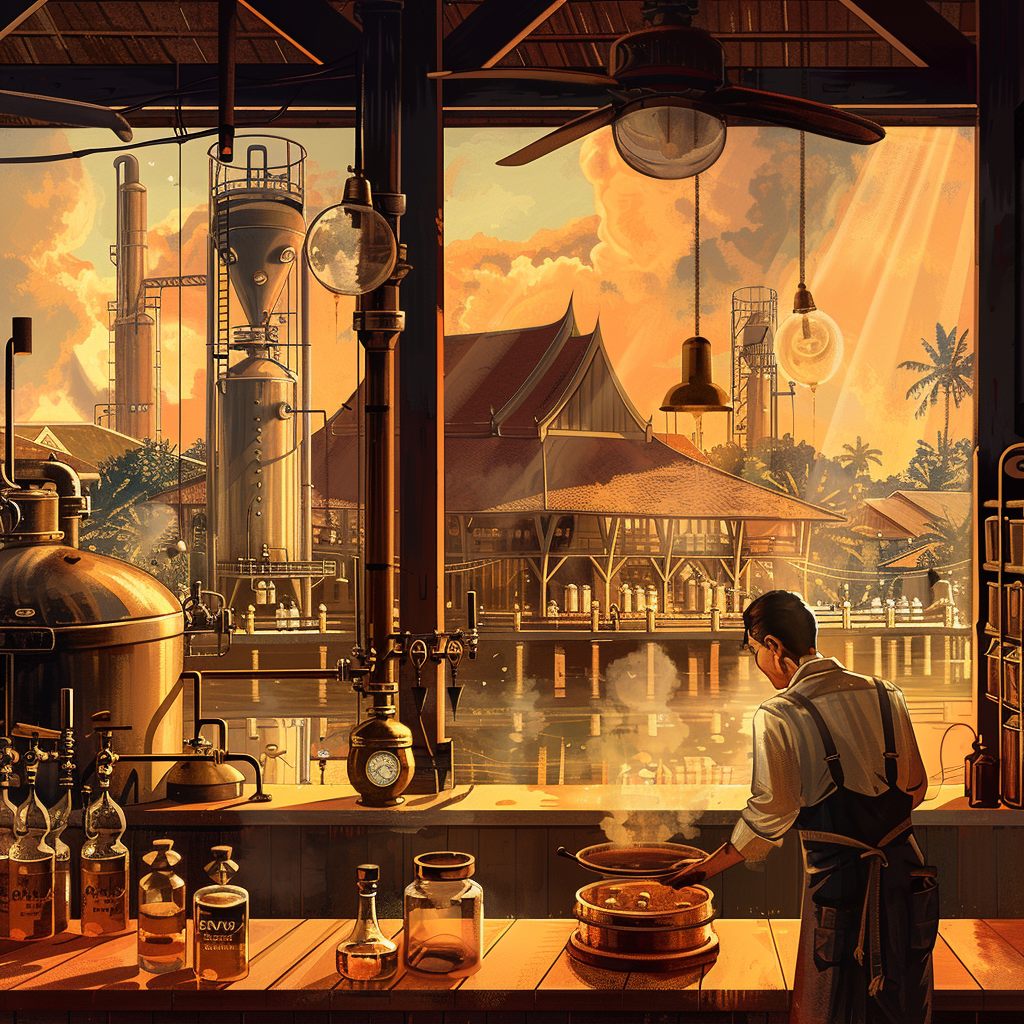
In a display of political maneuvering, the House delivered a decisive blow to the bold ambitions of the opposition People's Party yesterday. The focal point of contention? A controversial bill set forth by People's Party representative, Taopiphop Limjittrakorn, which aimed to shake up the longstanding norms of the liquor industry. With a final tally that left no room for ambiguity, the bill was quashed with 237 votes opposed and a mere 137 in favor.
The proposed legislation promised to usher in a new era for the independent spirit enthusiast, figuratively speaking, by allowing individuals the freedom to possess alcohol distillation equipment for personal use—sans the looming gaze of government bureaucracy. Yet, despite its seemingly enticing promise of entrepreneurial empowerment, it prompted a sobering response from government heavyweights.
Stepping up to the podium, government chief whip and voice of prudence, Wisut Chainarun of the coalition-dominant Pheu Thai Party, did not mince words. "This is a big issue," he asserted with sagely firmness. "If every household is allowed to make liquor without legal controls and that leads to death, the consequences will be severe. Permission is necessary."
Dashing the hopes of many aspiring homebrew artisans, the House instead threw its support behind the more conservative alternatives championed by the Pheu Thai and United Thai Nation Party coalition. With almost identical stampede-like approval, these bills, gushed through with 384 and 385 votes respectively, now head to the crucible of legislative scrutiny.
In the brave new world these bills envision, government permission would remain a prerequisite for aspiring distillers seeking the exhilarating rush of producing liquor. A tightening of the reins to ensure safety—or a stranglehold staving off innovation?
Taopiphop, a man of unyielding perseverance and a craftsman of bubbly ambitions, knows the sting of regulatory shackles all too well. His personal history is marked by an arrest for illegal brewing—a badge of defiance that fuels his drive. The bill, in all its earnest intent, was more than a chance for low-key libertine indulgence; it formed part of the People's Party's grander vision to dismantle several perceived monopolistic fortresses.
Indisputably, the reigning conglomerates hold dominion over Thailand's spirited landscape. In a market brimming with frothy profits and towering stakes valued at an impressive 470 billion baht, more than half of the alcoholic drink consumption is sloshed down in cold, invigorating beer. Here, Boon Rawd Brewery commands a formidable 58% share, chased by the relatively modest 34.3% clout of Thai Beverage Plc. Meanwhile, in the noble art of distillation, ThaiBev towers with a dazzling 59.5% advantage.
Ever the crusader, Mr. Taopiphop envisions a future where market entry—a path obstructed by lofty capital requirements and threshold-defying production scales—becomes a welcoming avenue for small-scale brewers. His dream dares reach for a 10% share in the beer market within a decade's timespan, an intrepid defiance to the status quo.



Comment verification
Step 1 of 3
Verify your email once to publish your comment. Your email is never shown publicly.
Enter the 6-digit code sent to .
Choose the display name shown next to your comments.